sides · dessert
Baklava
Baklava with layers of buttered phyllo, spiced nuts, and honey syrup — crispy, sticky, perfect.

Nutrition (per serving)
380
Calories
6g
Protein
42g
Carbs
22g
Fat
2g
Fiber
Ingredients
For the nut filling:
For the pastry:
For the syrup:
Method
-
Make the syrup first — combine sugar, water, honey, lemon juice, and cinnamon stick in a saucepan. Bring to a boil, stirring until sugar dissolves, then simmer for 10 minutes until slightly thickened. Remove from heat, stir in orange blossom water, and refrigerate until completely cold. The syrup must be cold when it meets the hot baklava.
-
Prepare the nut filling by combining chopped walnuts, pistachios, sugar, cinnamon, cloves, and salt. The mix of walnuts (earthy, slightly bitter) and pistachios (sweet, vibrant green) creates both flavor complexity and visual appeal. Chop by hand or pulse briefly — you want small pieces, not powder.
-
Brush the baking pan with clarified butter. Layer 8 sheets of phyllo in the pan, brushing each sheet generously with butter. The butter between each layer is what creates the flaky, shattering texture. Don't skimp — every sheet needs a full coat. Trim the phyllo to fit the pan.
-
Spread half the nut mixture evenly over the phyllo. Add 6 more buttered phyllo sheets, then the remaining nuts, then 8 more buttered phyllo sheets on top. Press down gently to compact the layers. The three-layer structure (phyllo-nuts-phyllo-nuts-phyllo) gives you distinct strata when you cut.
-
Cut into diamonds or squares using a sharp knife, cutting all the way through to the bottom of the pan. This step must happen before baking — cutting after baking shatters the crispy layers. Bake at 350°F for 45-50 minutes until the top is deep golden brown and the layers are visibly puffed and crispy.
-
Pour the cold syrup slowly and evenly over the hot baklava immediately after removing from the oven. You'll hear it sizzle — that's the temperature differential creating the signature texture. Let it sit uncovered for at least 4 hours (overnight is better) to absorb the syrup fully. The baklava improves over 24 hours as the syrup penetrates every layer.
Equipment
- 9x13 inch baking pan
- Pastry brush Recommended: OXO Good Grips Silicone Pastry Brush
- Sharp knife Recommended: Victorinox Fibrox Pro 8-Inch Chef's Knife · Also good: Victorinox Fibrox Pro 8-Inch Chef's Knife
- Saucepan for syrup Recommended: Cuisinart Chef's Classic 3-Quart Saucepan
- Damp kitchen towel
- Saucepan Recommended: Cuisinart Chef's Classic 3-Quart Saucepan
- Food processor Recommended: Vitamix VX1
Chef Notes
- The most important thing: The syrup must be cold when poured over hot baklava. Hot syrup on hot pastry makes it soggy. Cold syrup on hot pastry creates the signature crispy-sticky texture.
- Clarify the butter by melting it and skimming off the milk solids. Clarified butter produces crispier layers because the water content is removed.
- Keep unused phyllo covered with a damp towel at all times. It dries out in minutes and becomes brittle and unusable.
- Cut the baklava before baking, not after. Cutting baked baklava shatters the layers. Use a sharp knife and cut all the way through to the bottom.
- Make the syrup first and refrigerate it while you assemble. It needs to be completely cold.
Common Substitutions
| Ingredient | Substitution | Notes |
|---|---|---|
| Butter | Ghee or olive oil | Ghee for similar richness. Olive oil for dairy-free. |
| Whole milk | Oat milk or almond milk | Oat milk is creamiest. Almond is thinner — add 1 tsp oil. |
| Lemon juice | Lime juice or white wine vinegar | Lime is slightly sweeter. Vinegar for pure acidity. |
| Honey | Maple syrup or agave nectar | Maple adds distinct flavor. Agave is most neutral. |
| Sugar | Coconut sugar or maple syrup | Coconut sugar is 1:1. Maple: reduce liquid slightly. |
| Food processor | Blender or mortar and pestle | Blender for smooth. Mortar for chunky. |
What You're Practicing
Baklava teaches you about working with phyllo dough — a skill that transfers to spanakopita, börek, strudel, and dozens of other pastries across Mediterranean and Middle Eastern cuisines. The technique of layering thin sheets with fat between them is the same principle behind puff pastry and croissants, just executed differently. See Pastry Foundations for more on laminated doughs.
The hot-pastry-cold-syrup technique is a fundamental principle in Middle Eastern and Greek dessert making. Understanding how temperature differential affects texture — creating crispness rather than sogginess — applies to any syrup-soaked pastry. See Techniques for more on temperature control in baking.
Video Resources
Some equipment and ingredient links are affiliate links. We earn a small commission at no extra cost to you. Learn more
Comments (0)
Sign in to commentNo comments yet. Be the first to share your thoughts.
Frequently Asked Questions
- Can I make Baklava ahead of time?
- Yes. overnight is better) to absorb the syrup fully.
- How do I store leftover Baklava?
- Store in an airtight container in the refrigerator for 3-4 days. Most sides reheat well in the oven at 350°F for 10-15 minutes.
- Can I freeze Baklava?
- Most cooked sides freeze well for 2-3 months. Soups and stews freeze especially well. Avoid freezing dishes with high dairy content — they can separate when thawed.
- How many servings does this recipe make?
- This recipe serves 4. You can scale the ingredients up or down proportionally — use the Meal Plan servings slider to adjust the grocery list automatically.
- Is Baklava vegetarian?
- Yes — this recipe is vegetarian. Check the Common Substitutions section for additional dietary adaptations.
- Is this an authentic Middle-eastern recipe?
- This recipe follows traditional Middle-eastern techniques and ingredients. The Chef Notes section explains any adaptations for home kitchen accessibility and suggests authentic alternatives where substitutions are made.
- What substitutions can I make for Baklava?
- See the Common Substitutions section above for ingredient and equipment swaps with specific trade-off notes for each alternative.
You Might Also Like

Baba Ganoush
Baba ganoush with charred eggplant and tahini — smoky, creamy, and deeply savory.

Baked Sweet Potato Fries
Baked sweet potato fries with a cornstarch coating for crispy edges and sriracha mayo for dipping.
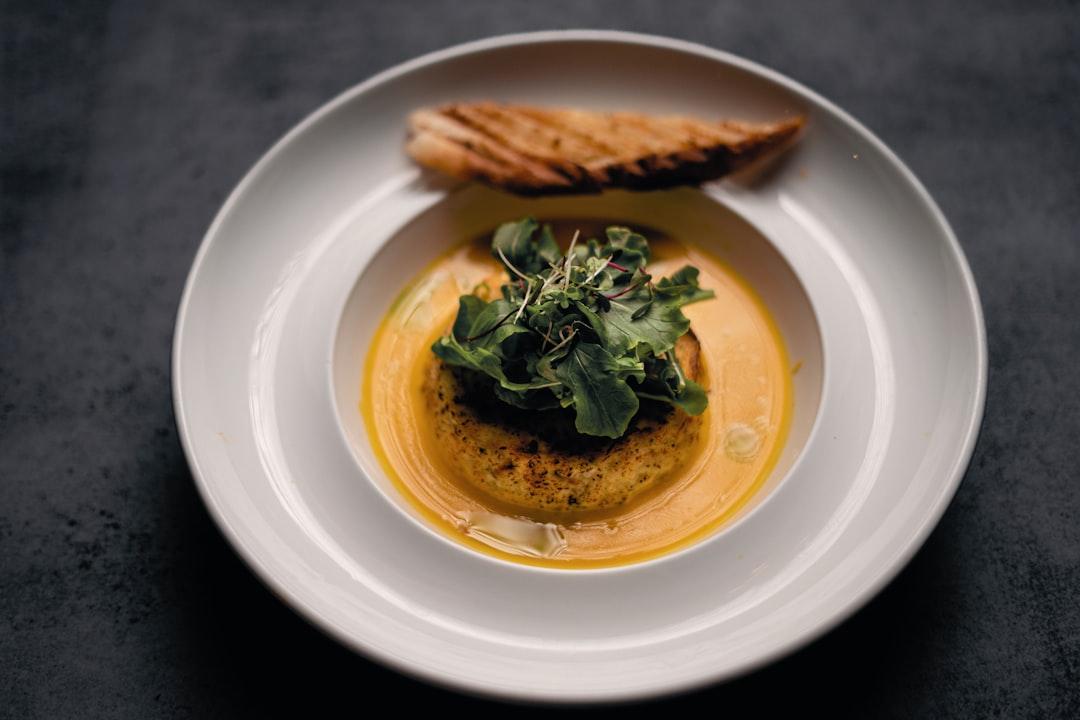
Butternut Squash Bisque with Sage Brown Butter
Silky roasted squash soup finished with a sage brown butter drizzle. Teaches the purée soup method and the liaison technique.

Baked Mac and Cheese (American Classic)
Creamy béchamel-based mac and cheese with sharp cheddar, Gruyère, and a golden panko crust.