sides
Baked Mac and Cheese (American Classic)
Creamy béchamel-based mac and cheese with sharp cheddar, Gruyère, and a golden panko crust.

Nutrition (per serving)
520
Calories
22g
Protein
48g
Carbs
28g
Fat
2g
Fiber
Ingredients
For the pasta:
For the cheese sauce:
For the topping:
Method
-
Preheat the oven to 375°F and bring a large pot of heavily salted water to a boil. Cook the elbow macaroni for 2 minutes less than the package directions — it should be slightly firm and chalky in the center. This is critical because the pasta continues to cook in the oven and absorbs moisture from the sauce. Drain and set aside.
-
Make the roux by melting butter in a saucepan over medium heat. Once it foams, add the flour and whisk constantly for 2 minutes. You're cooking out the raw flour taste and building the base of your béchamel. The roux should be pale golden and smell nutty — if it turns brown, your heat is too high.
-
Build the béchamel by slowly streaming in the warm milk while whisking constantly. Add it in three additions, whisking each one smooth before adding more. This prevents lumps. Bring to a gentle simmer and cook for 5-8 minutes, stirring frequently, until the sauce coats the back of a spoon and holds a line when you draw your finger through it. This is the consistency you want before adding cheese.
-
Add the cheese by removing the pan from heat first. Residual heat melts the cheese without breaking the proteins. Stir in the cheddar and Gruyère in handfuls, letting each addition melt before adding more. Add the Dijon, cayenne, and nutmeg. Season with salt and pepper. The sauce should be smooth, glossy, and slightly thinner than you want the final dish — it thickens in the oven.
-
Combine and transfer by folding the drained pasta into the cheese sauce until every piece is coated. Pour into a buttered 9x13 baking dish and spread evenly. Toss the panko with melted butter and Parmesan, then scatter over the top in an even layer.
-
Bake for 25-30 minutes until the top is deeply golden and the edges are bubbling. If the top isn't browning enough, switch to broil for the last 2-3 minutes — but watch it closely, panko goes from golden to burnt in seconds.
-
Rest for 10 minutes before serving. This is the hardest part but the most important. The sauce sets up as it cools slightly, giving you creamy, scoopable portions instead of a runny mess. Serve with a simple green salad to cut through the richness.
Equipment
- 9x13 baking dish
- Large pot for pasta
- Saucepan Recommended: Cuisinart Chef's Classic 3-Quart Saucepan
- Whisk Recommended: OXO Good Grips 11-Inch Balloon Whisk
- Stockpot Recommended: Tramontina 12-Quart Stainless Steel Stock Pot
- Instant-read thermometer Recommended: ThermoWorks ThermoPop 2
Chef Notes
- The most important thing: Grate your own cheese. Pre-shredded cheese is coated in anti-caking agents (cellulose) that prevent it from melting smoothly. You'll get a grainy sauce every time with pre-shredded.
- Cook the pasta 2 minutes short of al dente. It finishes cooking in the oven and absorbs sauce as it bakes. Fully cooked pasta turns to mush.
- Warm the milk before adding it to the roux. Cold milk hitting hot butter causes lumps. Microwave it for 90 seconds or warm it in a saucepan.
- The Dijon mustard and cayenne don't make it taste spicy — they amplify the cheese flavor. You won't taste them individually, but the mac and cheese will taste flat without them.
- Let it rest 10 minutes after baking. The sauce thickens as it cools slightly, and you get cleaner portions instead of a soupy mess.
Common Substitutions
| Ingredient | Substitution | Notes |
|---|---|---|
| Sharp cheddar | Fontina or Gouda | Both melt beautifully — Gouda adds sweetness, Fontina adds nuttiness |
| Gruyère | More cheddar or Monterey Jack | Jack melts smoother but has less complexity |
| Whole milk | Oat milk + 1 tbsp butter | Closest non-dairy option for béchamel body |
| Panko breadcrumbs | Crushed Ritz crackers | Richer, butterier crust — a Southern classic variation |
| Elbow macaroni | Cavatappi or shells | Ridged shapes hold more sauce in every bite |
What You're Practicing
Béchamel is one of the five French mother sauces, and mac and cheese is the most approachable way to learn it. The roux-to-milk ratio here (equal parts butter and flour, 3x the milk) is the standard formula you'll use for cream soups, gratins, and soufflés. Once you can make a smooth béchamel without lumps, you've unlocked an entire category of cooking. Visit Mother Sauces for the complete guide.
The cheese incorporation technique — removing from heat, adding gradually — teaches you how proteins behave. Cheese melts smoothly at moderate temperatures but breaks and turns greasy above 180°F. This same principle applies to fondue, queso, and any cheese-based sauce. Understanding why cheese breaks is more valuable than any single recipe.
Video Resources
Some equipment and ingredient links are affiliate links. We earn a small commission at no extra cost to you. Learn more
Comments (0)
Sign in to commentNo comments yet. Be the first to share your thoughts.
Frequently Asked Questions
- Can I make Baked Mac and Cheese (American Classic) ahead of time?
- Yes — prep the components up to a day ahead and store covered in the refrigerator. Reheat gently or bring to room temperature before serving.
- How do I store leftover Baked Mac and Cheese (American Classic)?
- Store in an airtight container in the refrigerator for 3-4 days. Most sides reheat well in the oven at 350°F for 10-15 minutes.
- Can I freeze Baked Mac and Cheese (American Classic)?
- Most cooked sides freeze well for 2-3 months. Soups and stews freeze especially well. Avoid freezing dishes with high dairy content — they can separate when thawed.
- How many servings does this recipe make?
- This recipe serves 6. You can scale the ingredients up or down proportionally — use the Meal Plan servings slider to adjust the grocery list automatically.
- Is Baked Mac and Cheese (American Classic) vegetarian?
- Yes — this recipe is vegetarian. Check the Common Substitutions section for additional dietary adaptations.
- What substitutions can I make for Baked Mac and Cheese (American Classic)?
- See the Common Substitutions section above for ingredient and equipment swaps with specific trade-off notes for each alternative.
You Might Also Like

Baba Ganoush
Baba ganoush with charred eggplant and tahini — smoky, creamy, and deeply savory.

Baked Sweet Potato Fries
Baked sweet potato fries with a cornstarch coating for crispy edges and sriracha mayo for dipping.
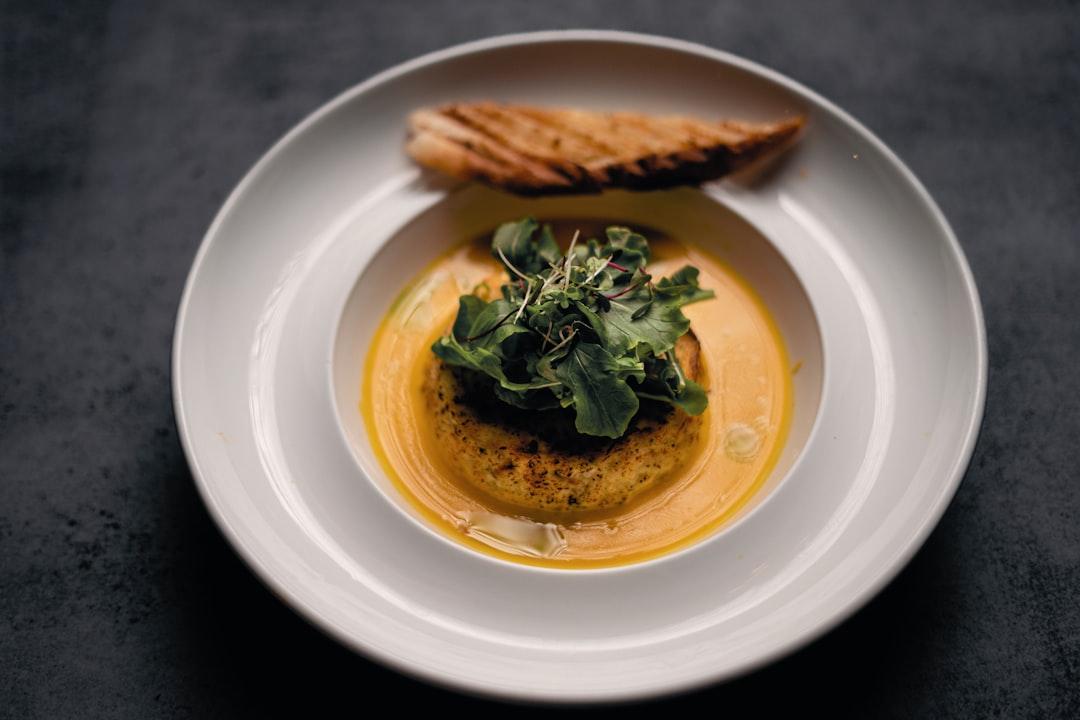
Butternut Squash Bisque with Sage Brown Butter
Silky roasted squash soup finished with a sage brown butter drizzle. Teaches the purée soup method and the liaison technique.

Canadian Poutine
Crispy fries smothered in rich beef gravy and fresh cheese curds — Québec's iconic comfort food.