sides · appetizer
Baba Ganoush
Baba ganoush with charred eggplant and tahini — smoky, creamy, and deeply savory.

Nutrition (per serving)
120
Calories
3g
Protein
12g
Carbs
8g
Fat
5g
Fiber
Ingredients
Method
-
Char the eggplants directly over a gas flame on medium-high, turning with tongs every 3-4 minutes until the skin is completely blackened and blistered on all sides, about 15-20 minutes total. The flesh inside should be completely soft and collapsing. If you don't have a gas stove, broil on high, turning occasionally, for about 20 minutes. The goal is maximum smoke contact.
-
Transfer to a colander and let the eggplant cool for 10 minutes. As it cools, liquid will drain out — this step is critical. Watery baba ganoush tastes diluted and won't have the concentrated smoky flavor you're after. Gently squeeze out any remaining liquid.
-
Split the eggplant and scoop out the flesh, discarding the charred skin. Some small bits of charred skin mixed in are fine — they add to the smoky character. Place the flesh in a bowl.
-
Mash with a fork — not a food processor. You want a rustic, chunky texture with visible strands of eggplant. Add tahini, lemon juice, garlic, cumin, and salt. Stir to combine. The tahini adds richness and body, the lemon brightens everything.
-
Taste and adjust the seasoning. Baba ganoush should taste smoky first, then tangy from the lemon, with a nutty undertone from the tahini. If it tastes flat, add more lemon juice and salt. If it lacks depth, add more tahini.
-
Spread on a plate and create swoops with the back of a spoon. Drizzle generously with olive oil, scatter parsley and pomegranate seeds. Serve with warm pita bread or raw vegetables. The contrast of the smoky dip with the bright pomegranate is stunning.
Equipment
- Gas stovetop or broiler
- Tongs for turning eggplant
- Colander for draining Recommended: OXO Good Grips 5-Quart Stainless Steel Colander
- Fork for mashing
Chef Notes
- The most important thing: Char the eggplant directly over a gas flame or under a broiler until the skin is completely blackened and the flesh collapses. The smoke flavor IS the dish — without it, you just have eggplant dip.
- Pierce the eggplant a few times with a fork before charring to prevent it from exploding. Steam builds up inside and needs somewhere to escape.
- After charring, let the eggplant drain in a colander for 10 minutes. Excess liquid makes the dip watery and bland.
- Don't use a food processor — mash by hand with a fork for the right rustic texture. Baba ganoush should have visible chunks, not be perfectly smooth like hummus.
- A pinch of smoked paprika can boost the smokiness if your char wasn't aggressive enough.
Common Substitutions
| Ingredient | Substitution | Notes |
|---|---|---|
| Bread | Gluten-free bread or lettuce wraps | GF bread varies by brand. Lettuce wraps for low-carb. |
| Potatoes | Sweet potatoes or cauliflower | Sweet potatoes add sweetness. Cauliflower for low-carb. |
| Olive oil | Avocado oil or grapeseed oil | Avocado oil has higher smoke point. Grapeseed is neutral. |
| Lemon juice | Lime juice or white wine vinegar | Lime is slightly sweeter. Vinegar for pure acidity. |
| Cumin | Coriander + pinch of chili powder | Coriander is lighter — chili adds the warmth. |
| Paprika | Ancho chili powder or cayenne (use ¼ amount) | Ancho is smoky-sweet. Cayenne is much hotter. |
What You're Practicing
Baba ganoush teaches you about using direct fire to transform a vegetable's flavor profile. Charring eggplant over flame creates compounds that don't exist in roasted or steamed eggplant — it's the same principle behind charring peppers for romesco or fire-roasting tomatoes for salsa. See Techniques for more on direct-flame cooking.
The hand-mashing technique demonstrates that texture is a deliberate choice, not just a result of equipment. Choosing a fork over a food processor gives you control over the final consistency. This same decision applies to guacamole, potato salad, and bean dips — sometimes rustic is better than smooth. See Vinaigrettes for more on building dips and emulsions.
Video Resources
Some equipment and ingredient links are affiliate links. We earn a small commission at no extra cost to you. Learn more
Comments (0)
Sign in to commentNo comments yet. Be the first to share your thoughts.
Frequently Asked Questions
- Can I make Baba Ganoush ahead of time?
- Yes — prep the components up to a day ahead and store covered in the refrigerator. Reheat gently or bring to room temperature before serving.
- How do I store leftover Baba Ganoush?
- Store in an airtight container in the refrigerator for 3-4 days. Most sides reheat well in the oven at 350°F for 10-15 minutes.
- Can I freeze Baba Ganoush?
- Most cooked sides freeze well for 2-3 months. Soups and stews freeze especially well. Avoid freezing dishes with high dairy content — they can separate when thawed.
- How many servings does this recipe make?
- This recipe serves 4. You can scale the ingredients up or down proportionally — use the Meal Plan servings slider to adjust the grocery list automatically.
- Is Baba Ganoush dairy free and gluten free and vegan and vegetarian?
- Yes — this recipe is dairy free and gluten free and vegan and vegetarian. Check the Common Substitutions section for additional dietary adaptations.
- Is this an authentic Lebanese recipe?
- This recipe follows traditional Lebanese techniques and ingredients. The Chef Notes section explains any adaptations for home kitchen accessibility and suggests authentic alternatives where substitutions are made.
- What substitutions can I make for Baba Ganoush?
- See the Common Substitutions section above for ingredient and equipment swaps with specific trade-off notes for each alternative.
You Might Also Like

Baked Sweet Potato Fries
Baked sweet potato fries with a cornstarch coating for crispy edges and sriracha mayo for dipping.

Braised Collard Greens
Braised collard greens slow-simmered with bacon, vinegar, and chicken stock until silky tender.

Bajan Macaroni Pie
Bajan macaroni pie — baked macaroni and cheese with a Barbadian kick of mustard, ketchup, and scotch bonnet, set into sliceable squares.
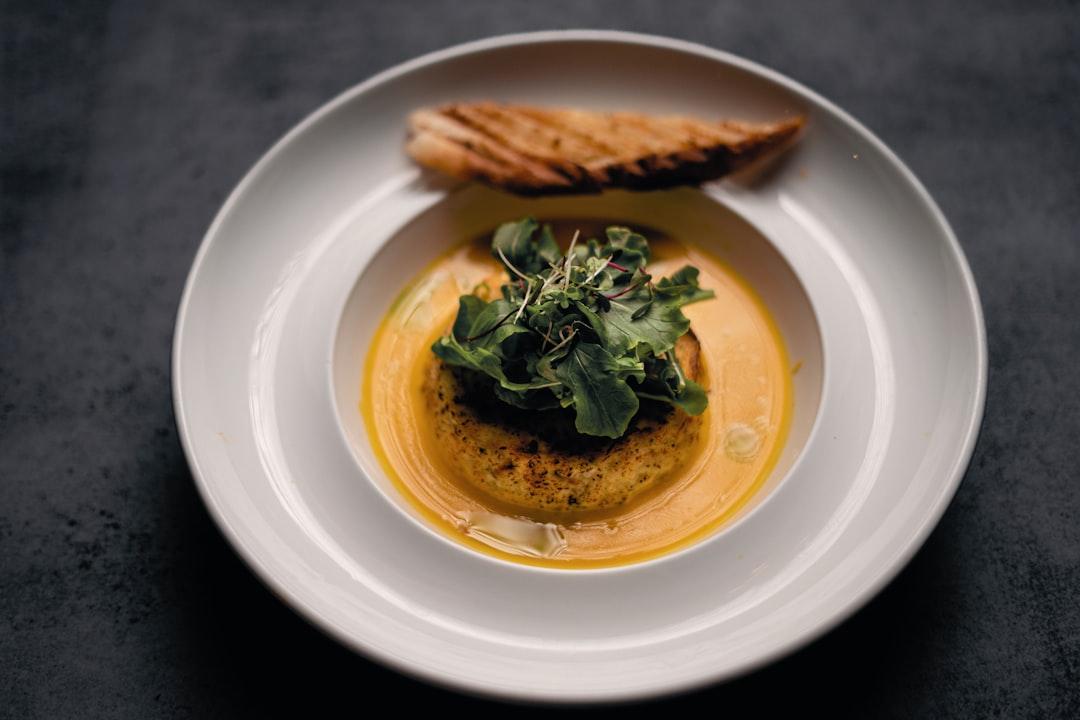
Butternut Squash Bisque with Sage Brown Butter
Silky roasted squash soup finished with a sage brown butter drizzle. Teaches the purée soup method and the liaison technique.