sides · potatoes
Canadian Poutine
Crispy fries smothered in rich beef gravy and fresh cheese curds — Québec's iconic comfort food.

Nutrition (per serving)
580
Calories
18g
Protein
52g
Carbs
34g
Fat
4g
Fiber
Ingredients
For the fries:
For the gravy:
For assembly:
Method
-
Prepare the fries by soaking the cut potatoes in cold water for 30 minutes to remove excess starch. Drain and dry thoroughly with kitchen towels — any water on the potatoes causes dangerous oil splatter.
-
First fry (blanch) at 325°F for 5-6 minutes until the fries are cooked through but still pale. They should be soft when squeezed gently. Transfer to a wire rack. This step cooks the interior. You can do this up to 2 hours ahead.
-
Make the gravy by melting butter in a saucepan over medium heat. Whisk in flour and cook for 3-4 minutes until the roux turns golden brown — darker than a white roux but not as dark as a Cajun roux. This medium roux adds a nutty flavor. Gradually whisk in the beef and chicken broth. Add Worcestershire and pepper. Simmer for 10 minutes until the gravy coats the back of a spoon but still flows freely. Season with salt. Keep warm.
-
Second fry at 375°F for 3-4 minutes until the fries are deeply golden and crispy. The higher temperature now crisps the exterior while the already-cooked interior stays fluffy. Season immediately with salt.
-
Assemble immediately by piling the hot fries on a plate or in a bowl. Scatter room-temperature cheese curds over the fries. Ladle the hot gravy over everything. The gravy's heat softens the curds — they should get warm and slightly melty but still hold their shape and squeak.
-
Serve instantly — poutine waits for no one. Eat with a fork, making sure each bite has fries, curds, and gravy. In Québec, poutine is late-night food, post-hockey food, and comfort food all in one. It's not fancy, and that's the point.
Equipment
- Deep pot or Dutch oven for frying Recommended: Lodge 6-Quart Enameled Cast Iron Dutch Oven
- Instant-read thermometer Recommended: ThermoWorks ThermoPop 2
- Saucepan Recommended: Cuisinart Chef's Classic 3-Quart Saucepan
- Wire rack Recommended: Checkered Chef Stainless Steel Wire Rack
- Stockpot Recommended: Tramontina 12-Quart Stainless Steel Stock Pot
- Whisk Recommended: OXO Good Grips 11-Inch Balloon Whisk
Chef Notes
- The most important thing: Use fresh cheese curds, not shredded mozzarella. Fresh curds squeak when you bite them — that's how you know they're fresh. They soften in the hot gravy without fully melting, creating the signature poutine texture. Shredded cheese melts into a gooey mess that's not poutine.
- Double-fry the potatoes: 325°F first (cook the interior), then 375°F (crisp the exterior). This is the same technique as Belgian frites and British chips — it's the only way to get fries that are crispy outside and fluffy inside.
- The gravy should be thin enough to flow between the fries but thick enough to cling. It's thinner than American brown gravy — more like a jus lié. If it's too thick, the fries get soggy before you can eat them.
- Bring the cheese curds to room temperature before assembling. Cold curds straight from the fridge don't soften properly in the gravy.
- Assemble and serve immediately. Poutine has a 5-minute window of perfection — after that, the fries absorb the gravy and lose their crispiness.
Common Substitutions
| Ingredient | Substitution | Notes |
|---|---|---|
| Fresh cheese curds | Torn fresh mozzarella | Closest texture — won't squeak but softens similarly |
| Homemade fries | Frozen fries, baked extra crispy | Not ideal but works for a quick version |
| Beef + chicken broth | All beef broth | Slightly heavier — the chicken broth lightens the gravy |
| Homemade gravy | Quality canned beef gravy | Acceptable shortcut — thin with a splash of broth if too thick |
| Russet potatoes | Yukon Gold | Creamier interior, slightly less crispy exterior |
What You're Practicing
Poutine teaches you the double-fry technique for perfect fries — the same method used in Belgian frites, British chips, and Japanese karaage. Low temperature first to cook the interior, high temperature second to crisp the exterior. Once you internalize this two-stage approach, you'll never make soggy fries again. Visit Techniques for frying fundamentals.
The gravy is a classic roux-thickened sauce — the same technique behind béchamel, velouté, and cream gravy. The medium-brown roux here adds nuttiness that a white roux doesn't have. Understanding how roux color affects both flavor and thickening power connects poutine gravy to the entire French mother sauce system. See Stocks for more on building sauces from stock.
Video Resources
Some equipment and ingredient links are affiliate links. We earn a small commission at no extra cost to you. Learn more
Comments (0)
Sign in to commentNo comments yet. Be the first to share your thoughts.
Frequently Asked Questions
- Can I make Canadian Poutine ahead of time?
- Yes. ahead.
- How do I store leftover Canadian Poutine?
- Store in an airtight container in the refrigerator for 3-4 days. Most sides reheat well in the oven at 350°F for 10-15 minutes.
- Can I freeze Canadian Poutine?
- Most cooked sides freeze well for 2-3 months. Soups and stews freeze especially well. Avoid freezing dishes with high dairy content — they can separate when thawed.
- How many servings does this recipe make?
- This recipe serves 4. You can scale the ingredients up or down proportionally — use the Meal Plan servings slider to adjust the grocery list automatically.
- What substitutions can I make for Canadian Poutine?
- See the Common Substitutions section above for ingredient and equipment swaps with specific trade-off notes for each alternative.
You Might Also Like

Baba Ganoush
Baba ganoush with charred eggplant and tahini — smoky, creamy, and deeply savory.

Baked Mac and Cheese (American Classic)
Creamy béchamel-based mac and cheese with sharp cheddar, Gruyère, and a golden panko crust.

Baked Sweet Potato Fries
Baked sweet potato fries with a cornstarch coating for crispy edges and sriracha mayo for dipping.
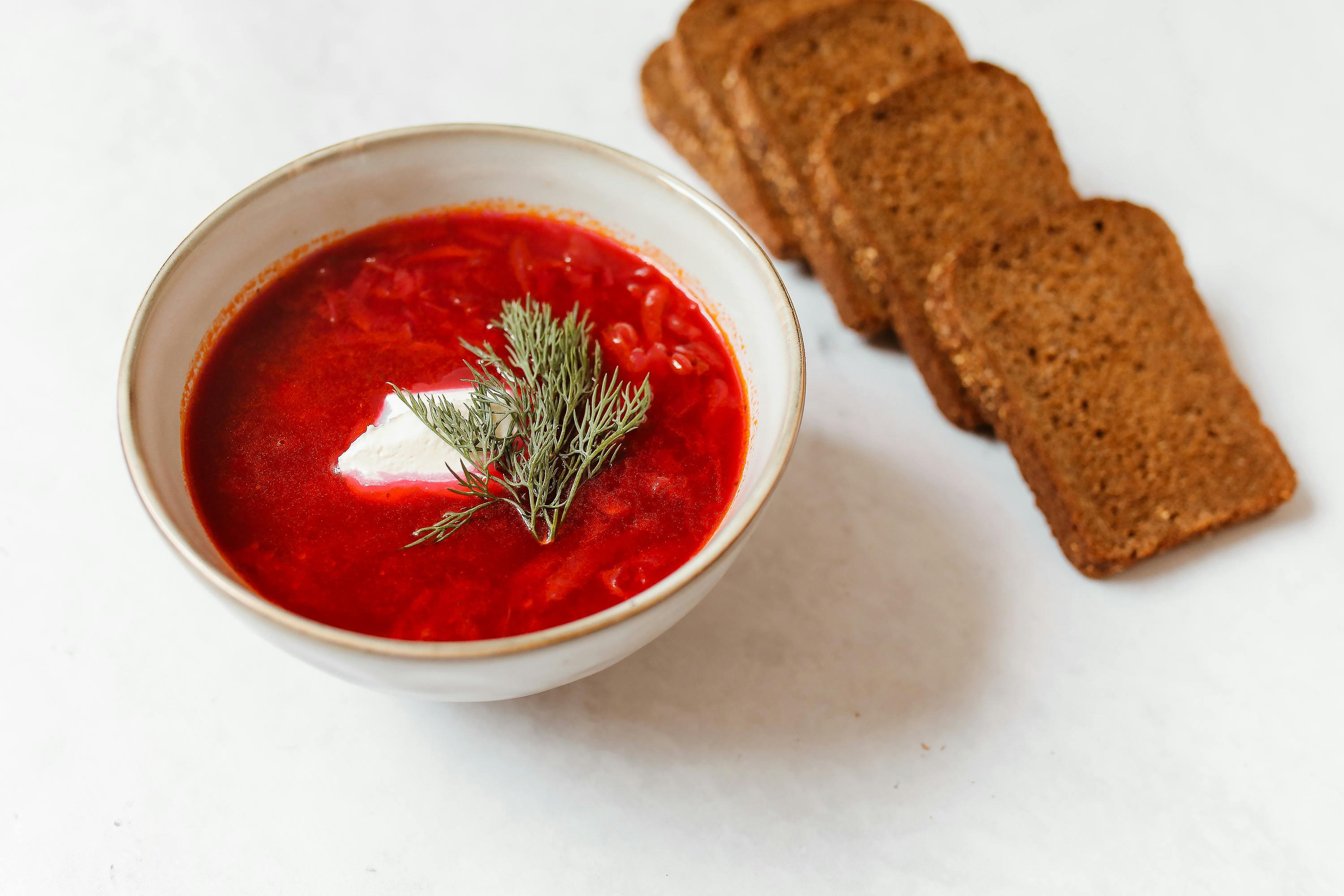
Borscht (Ukrainian Beet Soup)
Ukrainian borscht with beets, cabbage, and a dollop of sour cream. A one-pot comfort soup that feeds a crowd.