brewing · kombucha
Mango Passion Fruit Kombucha
Mango passion fruit kombucha with natural fizz from a two-stage fermentation — tropical, tangy, and probiotic-rich.

Nutrition (per serving)
30
Calories
0g
Protein
7g
Carbs
0g
Fat
0g
Fiber
Ingredients
For the first fermentation (F1):
For the second fermentation (F2):
Method
-
Brew the sweet tea base. Bring half the water (8 cups) to a boil. Remove from heat, add the tea bags, and steep for 10-15 minutes. Longer steeping extracts more tannins, which the SCOBY feeds on. Remove the tea bags and stir in 1 cup of sugar until fully dissolved. The sugar isn't for you — it's food for the bacteria and yeast. By the time fermentation is complete, most of it will be consumed.
-
Cool the tea completely. Add the remaining half-gallon of cold filtered water to bring the temperature down faster. The sweet tea must reach room temperature (below 85°F) before adding the SCOBY — heat kills the living culture. Use a thermometer to verify. This is the most common beginner mistake: impatience with cooling.

-
Add the SCOBY and starter tea. Pour the cooled sweet tea into your clean gallon jar. Add 2 cups of starter tea (this acidifies the environment, protecting against mold during the vulnerable first days). Gently place the SCOBY on top — it may sink, float sideways, or hover mid-jar. All of these are normal. Cover with a tightly woven cloth secured with a rubber band. The culture needs airflow but must be protected from fruit flies and dust.
-
Ferment for 7-14 days (F1). Place the jar in a warm spot (72-80°F) away from direct sunlight. Don't move it — vibration disrupts the new SCOBY layer forming on the surface. Start tasting on day 5 using a straw slipped under the SCOBY. You're looking for a balance between sweet and tart. Too sweet means the yeast hasn't consumed enough sugar; too sour means it's gone too far toward vinegar. Most batches hit the sweet spot between days 7-10.
-
Prepare the tropical fruit puree. Peel and cube the mango, then blend until completely smooth. Scoop the passion fruit pulp (seeds and all) into the blender and pulse briefly — you want the seeds intact but the pulp broken down. Mix in the lime juice. The lime's acidity brightens the tropical flavors and helps preserve the fruit's color during fermentation. If you want extra carbonation, dissolve the optional honey or sugar into the puree.

-
Bottle for second fermentation (F2). Remove the SCOBY and 2 cups of liquid (this becomes your starter tea for the next batch). Using a funnel, distribute the mango-passion fruit puree evenly among your swing-top bottles — about 1-2 tablespoons per 16 oz bottle. Then pour the fermented kombucha over the fruit, leaving 1 inch of headspace. The headspace is critical — CO2 needs room to accumulate. Too little space and the pressure has nowhere to go.
-
Seal and ferment for 2-4 days (F2). Cap the bottles tightly and leave at room temperature. The yeast consumes the fruit sugars in the sealed environment, producing CO2 that carbonates the kombucha naturally. Burp each bottle once daily by briefly cracking the cap over the sink — you'll hear a satisfying hiss. After 2 days, chill one bottle and test the carbonation. If it's fizzy enough, refrigerate all bottles. If not, give them another day.

- Strain and serve cold. Once carbonated to your liking, move all bottles to the refrigerator. Cold temperatures halt fermentation and stabilize the fizz. When ready to drink, open slowly over a sink (tropical fruit kombuchas can be vigorous), pour through a fine-mesh strainer to catch fruit pulp and passion fruit seeds if desired, and serve over ice. The finished kombucha should be effervescent, tangy, and unmistakably tropical — like a sparkling mango-passion fruit soda with depth and complexity.
Equipment
- 1-gallon glass jar (wide-mouth) for F1
- Tightly woven cloth or coffee filter + rubber band (for covering F1 jar)
- 8-10 swing-top glass bottles (16 oz, pressure-rated — Grolsch-style) Recommended: 16 oz Grolsch-Style Swing Top Bottles 6-Pack
- Fine-mesh strainer Recommended: Winco 8-Inch Stainless Steel Fine Mesh Strainer
- Funnel
- Blender or food processor (for mango puree) Recommended: Vitamix VX1
- Instant-read thermometer Recommended: ThermoWorks ThermoPop 2
- pH strips (optional but helpful — target 2.5-3.5 for finished kombucha)
- Food processor Recommended: Vitamix VX1
- Blender Recommended: Ninja Professional Plus Blender
Chef Notes
- The most important thing: Temperature controls everything. Keep F1 between 72-80°F. Below 68°F the culture stalls; above 85°F you grow the wrong organisms.
- Taste your F1 daily starting on day 5. It's ready when it's tangy but not vinegary — like tart apple cider. If it still tastes like sweet tea, give it more time.
- Use pureed mango, not chunks. Puree gives the yeast more surface area to consume sugar, which produces better carbonation. Chunks leave flat spots.
- Passion fruit seeds are fine to include — they add a pleasant crunch and visual appeal in the finished bottle. Strain them out if you prefer a clean pour.
- Burp your bottles daily during F2 by cracking the cap briefly. Pressure builds fast with tropical fruit sugars. Skipping this step risks bottle bombs — especially in warm kitchens.
- Your SCOBY will grow a new layer with every batch. Peel off the baby and share it, compost it, or start a second vessel.
Common Substitutions
| Ingredient | Substitution | Notes |
|---|---|---|
| Ale yeast | Lager yeast (ferment at 50-55°F) | Completely different flavor profile — lager is cleaner |
| Corn sugar (priming) | Table sugar or honey | All work for carbonation — honey adds subtle flavor |
| Specialty grains | Liquid malt extract | Extract brewing is simpler — skip the mash step entirely |
| Glass carboy | Food-grade plastic bucket | Plastic is lighter and won't shatter — glass is easier to sanitize |
What You're Practicing
Kombucha brewing teaches you the fundamentals of fermentation — the same biological process behind beer, wine, yogurt, sourdough, and kimchi. You're learning to create and maintain a living culture, to control fermentation through temperature and time, and to read sensory cues (taste, smell, pH) to determine when a ferment is ready. The two-stage process (F1 for base fermentation, F2 for flavoring and carbonation) is the same framework used in beer brewing (primary and secondary fermentation) and naturally leavened bread (bulk ferment and proof). See Techniques for more on fermentation principles.
The fruit flavoring stage is a lesson in balancing sweetness, acidity, and aroma in a living system. Unlike cooking, where you taste and adjust in real time, fermentation requires you to anticipate how flavors will change over days. The mango provides sugar and body, the passion fruit adds aromatic complexity and tartness, and the lime anchors the acidity. Learning to predict how fruit sugars interact with yeast — and how carbonation affects perceived sweetness — is a skill that transfers directly to cider making, fruit wine, and any fermented beverage.
Video Resources
Some equipment and ingredient links are affiliate links. We earn a small commission at no extra cost to you. Learn more
Comments (0)
Sign in to commentNo comments yet. Be the first to share your thoughts.
Frequently Asked Questions
- Can I make Mango Passion Fruit Kombucha ahead of time?
- Yes — prep the components up to a day ahead and store covered in the refrigerator. Reheat gently or bring to room temperature before serving.
- How do I store leftover Mango Passion Fruit Kombucha?
- Store in sealed bottles in a cool, dark place. Fermented beverages continue to develop flavor over time — check individual recipe notes for aging guidelines.
- Can I freeze Mango Passion Fruit Kombucha?
- Most fermented beverages should not be frozen. Store according to the specific recipe's aging and storage guidelines.
- How many servings does this recipe make?
- This recipe serves 8-10 bottles (16 oz each). You can scale the ingredients up or down proportionally — use the Meal Plan servings slider to adjust the grocery list automatically.
- Why does Mango Passion Fruit Kombucha take so long?
- This recipe takes 168 hours because the flavors need time to develop and meld together. The hands-on time is much shorter — most of the cook time is unattended.
- Is Mango Passion Fruit Kombucha dairy free and vegan and gluten free?
- Yes — this recipe is dairy free and vegan and gluten free. Check the Common Substitutions section for additional dietary adaptations.
- What substitutions can I make for Mango Passion Fruit Kombucha?
- See the Common Substitutions section above for ingredient and equipment swaps with specific trade-off notes for each alternative.
You Might Also Like
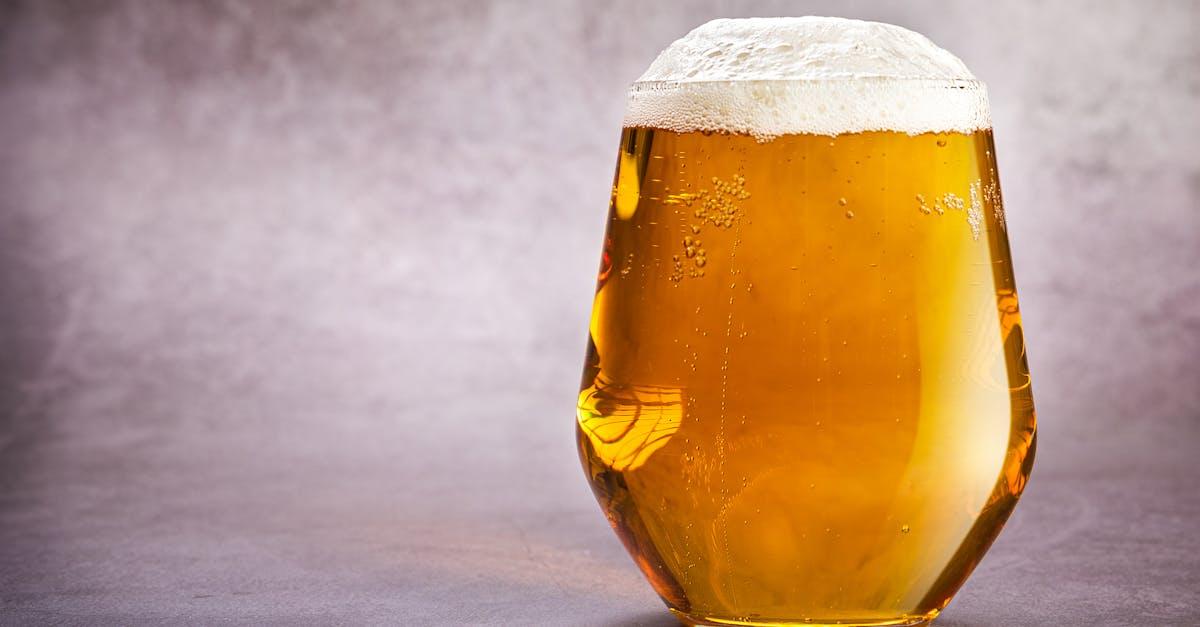
American Pale Ale (Extract Brew)
Your first homebrew — an extract American Pale Ale that teaches sanitization, boiling, fermentation, and bottling in one batch.
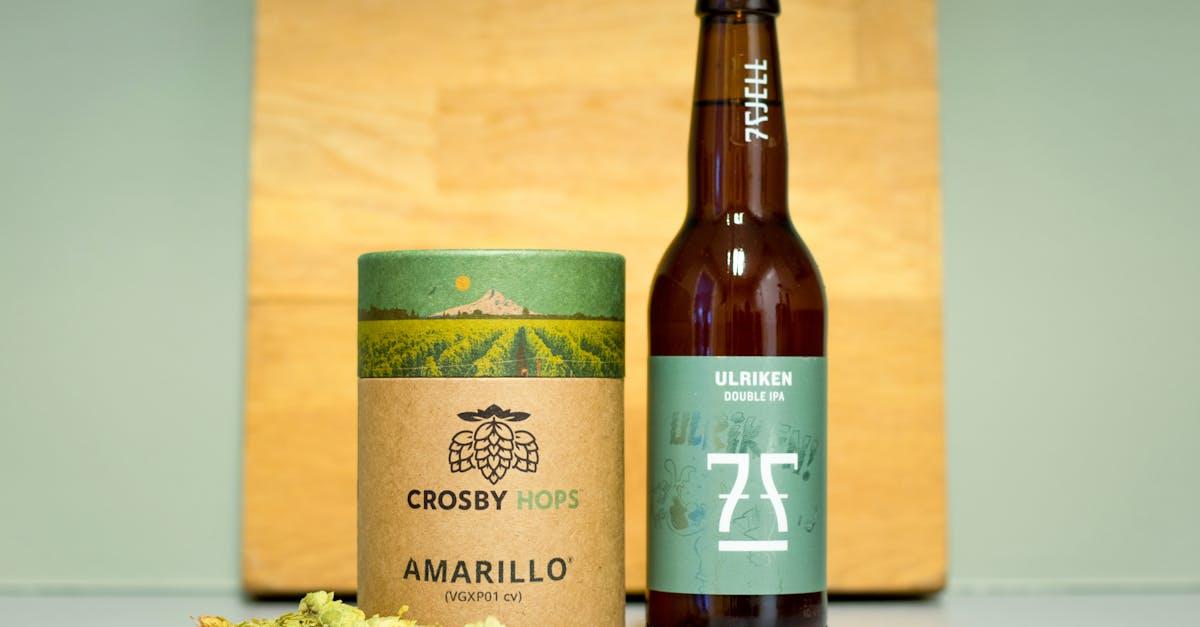
West Coast IPA (All-Grain)
An advanced all-grain West Coast IPA with 60+ IBUs of piney, citrusy bitterness. Full mash, multi-stage hop schedule.
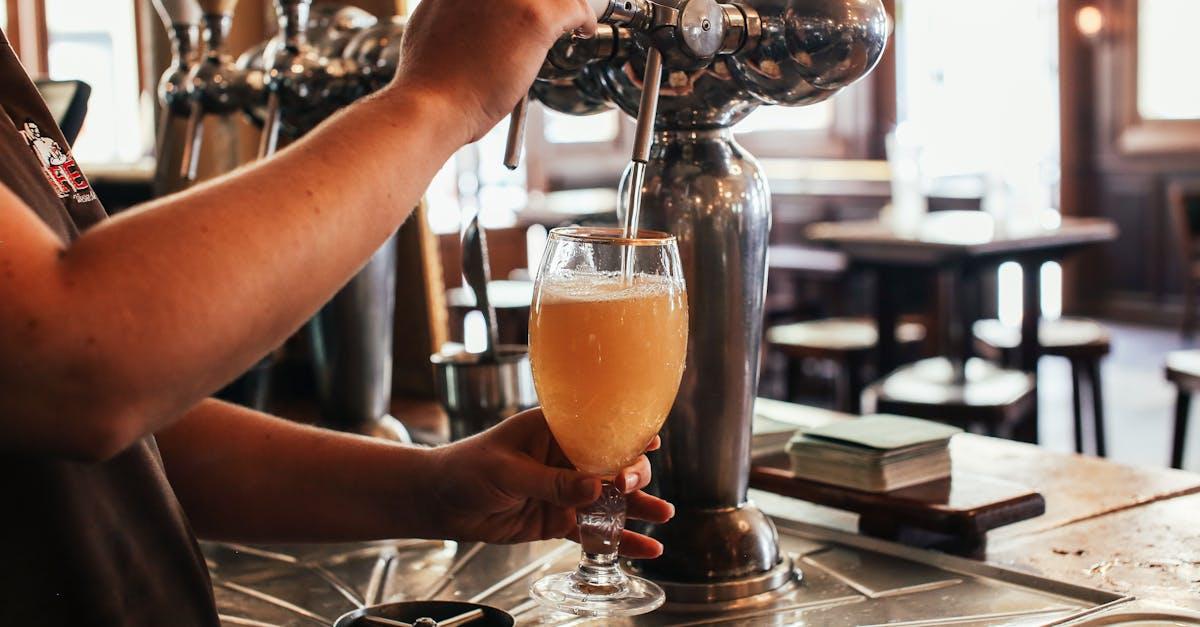
Bavarian Hefeweizen
A Bavarian Hefeweizen where the yeast does the work — producing banana and clove flavors. Fermentation temperature is everything.
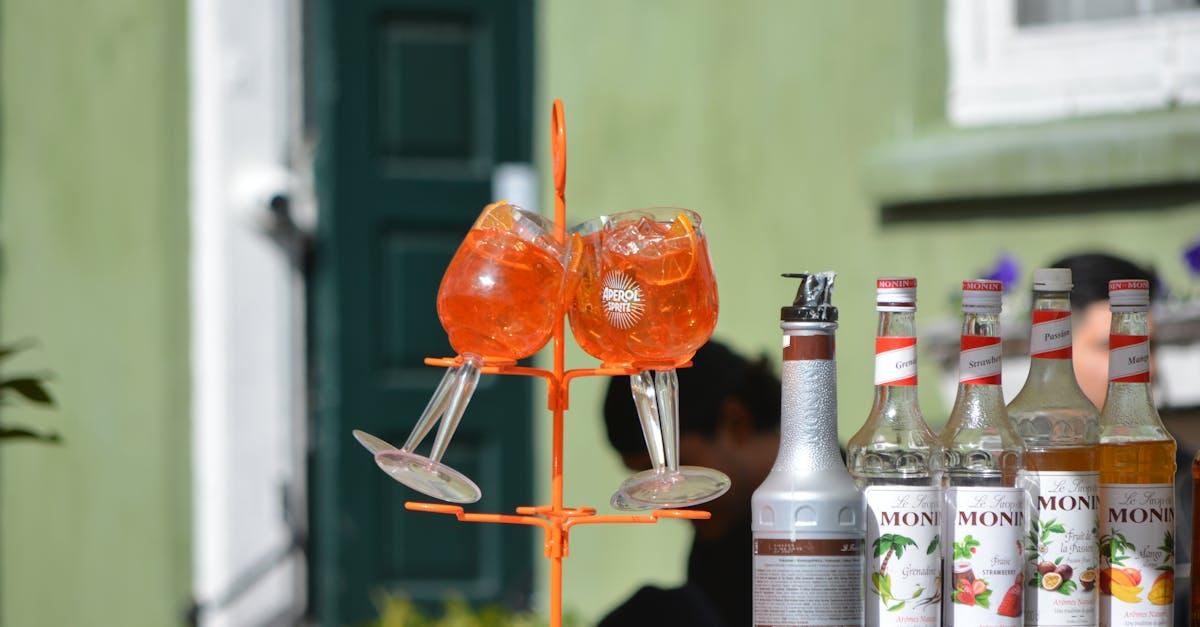
Cocktail Syrups: Simple, Honey, Ginger, Lavender
Four cocktail syrups in one recipe: simple, honey, ginger, and lavender. The building blocks of craft cocktails.