Brewing
Homebrewed beer, wine, cider, mead, and cocktail syrups. From extract kits to all-grain.
10 recipes
Beer
4 recipes
American Pale Ale (Extract Brew)
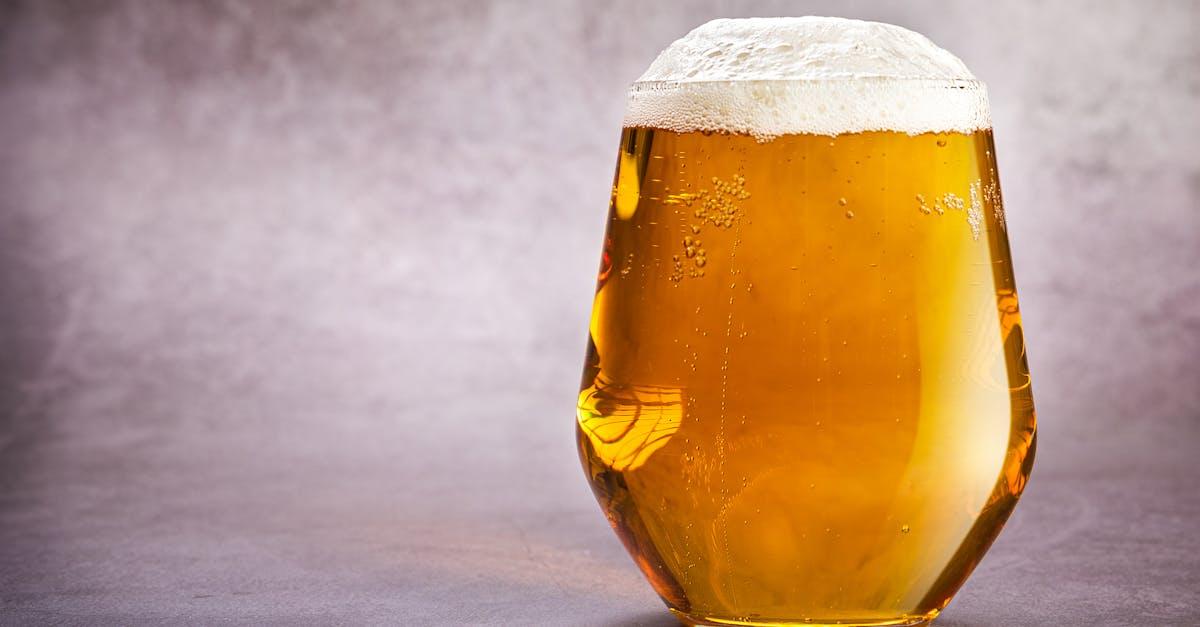
A beginner-friendly extract brew that walks you through the entire brewing process — sanitization, steeping, boiling, cooling, pitching yeast, fermentation, and bottling. The American Pale Ale is the perfect first beer: forgiving, flavorful, and a gateway to understanding how yeast turns sugar into alcohol.

Bavarian Hefeweizen
A classic German wheat beer defined not by hops or malt, but by its yeast. The Hefeweizen yeast strain produces banana (isoamyl acetate) and clove (4-vinyl guaiacol) esters that give this beer its unmistakable character. Fermentation temperature is everything here.

Oatmeal Stout
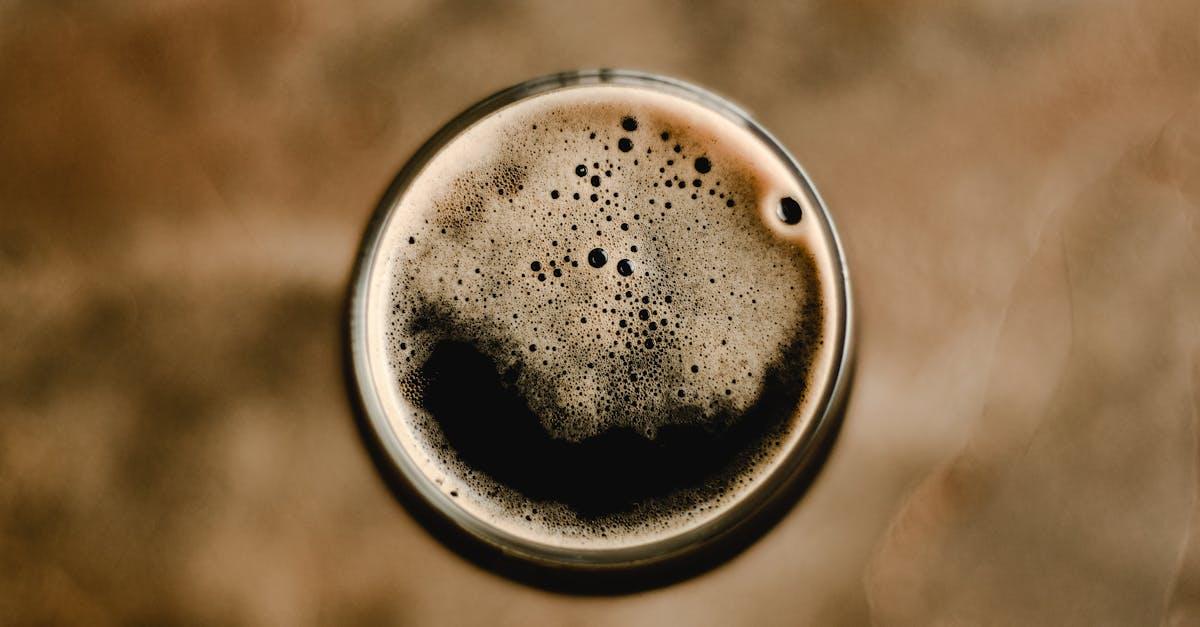
A rich, creamy stout with rolled oats adding silky body and roasted malts delivering chocolate and coffee notes. This partial-mash recipe bridges the gap between extract and all-grain brewing, teaching you how specialty grains shape flavor, color, and mouthfeel.

West Coast IPA (All-Grain)
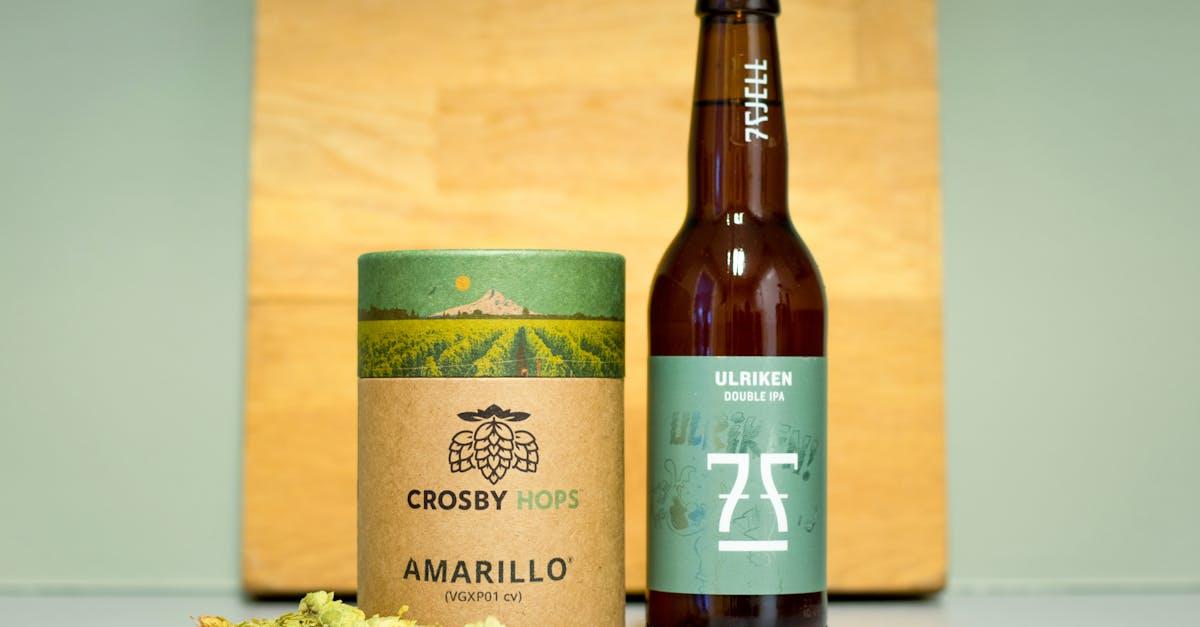
An advanced all-grain West Coast IPA with an aggressive hop schedule delivering 60+ IBUs of piney, citrusy bitterness. This recipe demands a full mash, precise temperature control, and a multi-stage hop schedule including a dry-hop addition. Not for beginners — but the reward is a beer that rivals any craft brewery.
Wine
2 recipes
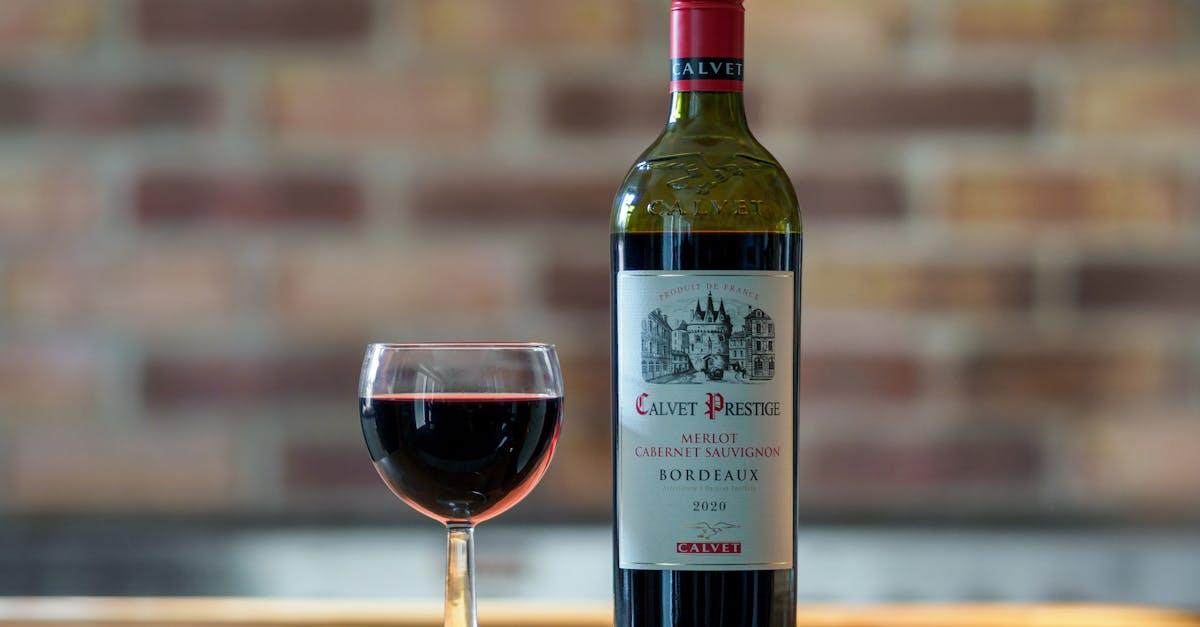
Cabernet Sauvignon (From Kit)
A step-by-step guide to making wine from a kit — the most reliable way to produce excellent wine at home. Wine kits include concentrated grape juice, yeast, and all additives, removing the guesswork of working with fresh grapes. This Cabernet Sauvignon kit produces a full-bodied red with dark fruit, tannin structure, and aging potential.

Country Apple Wine
A country wine made from fresh apple juice — no grape concentrate, no kit, just fruit, sugar, yeast, and time. Country wines are the oldest form of winemaking, and apple wine is one of the most forgiving and delicious. This small-batch recipe is perfect for learning the fundamentals of fruit wine fermentation.
Cider & Mead
2 recipes
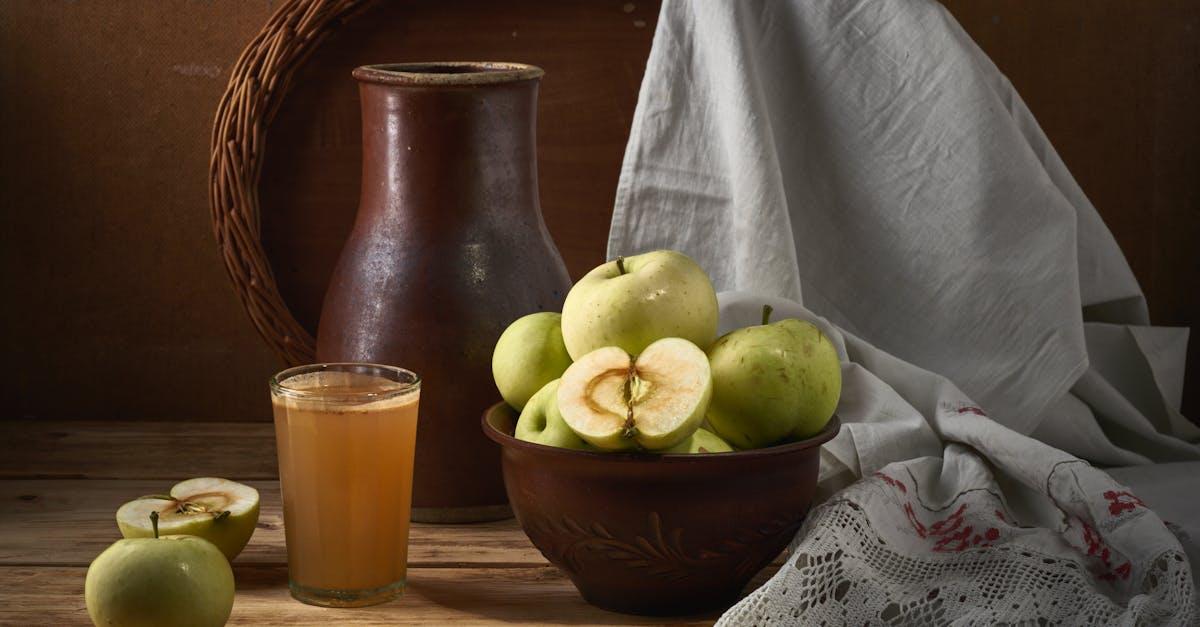
Dry Hard Cider
The simplest fermented beverage you can make — just apple juice and yeast. Hard cider is naturally gluten-free, budget-friendly, and requires almost no equipment. This is the perfect first fermentation project and a gateway to understanding how yeast transforms sugar into alcohol.

Traditional Mead (Show Mead)
Honey wine — the oldest fermented beverage in human history, predating both beer and grape wine. A show mead uses only honey, water, and yeast, letting the honey character shine. This recipe teaches patience: mead ferments slowly and rewards months of aging with complex floral, fruity depth.