brewing · Wine
Country Apple Wine
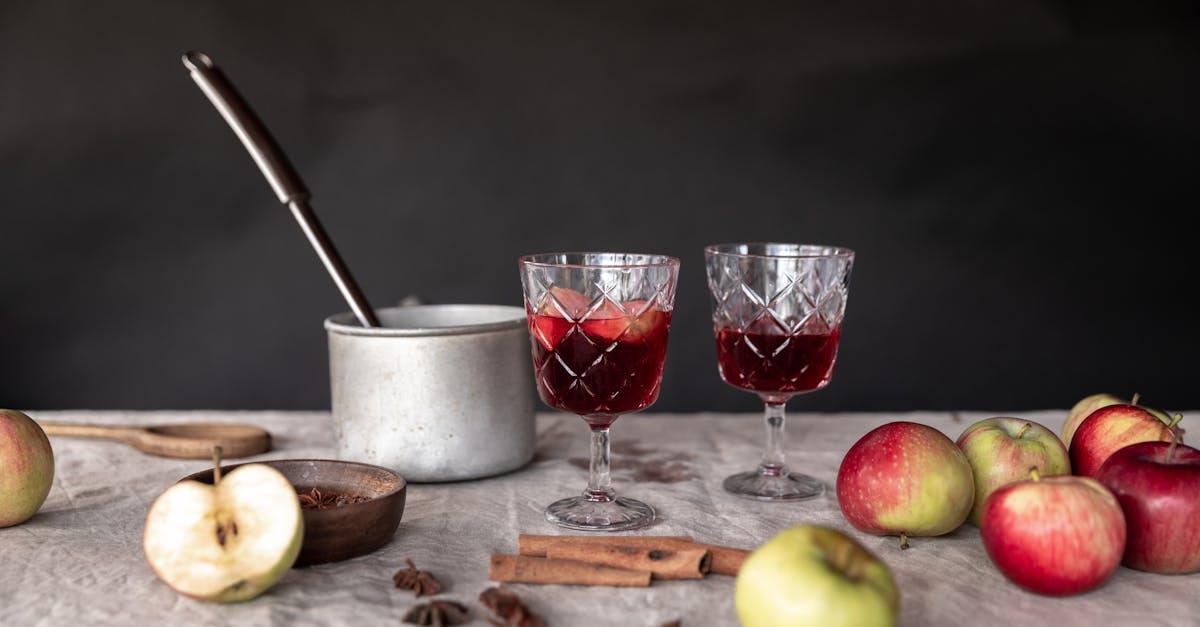
Country apple wine from fresh juice, sugar, and yeast. No kits, no concentrates — just fruit and patience.
Nutrition (per serving)
150
Calories
1g
Protein
12g
Carbs
0g
Fat
0g
Fiber
Ingredients
Method
-
Prepare the must. Pour the apple juice into a sanitized 1-gallon glass jug, reserving about 2 cups. Dissolve the sugar in the reserved juice by warming it gently (do not boil — boiling sets pectin and creates permanent haze). Add the sugar solution back to the jug. Crush and add 1 Campden tablet — this releases SO2, which kills wild yeast and bacteria present on the fruit. Wait 24 hours before adding your cultured yeast.
-
Add pectic enzyme and acid. After the Campden tablet has worked for 24 hours, add the pectic enzyme and acid blend. Pectic enzyme breaks down the pectin chains in apple juice that cause cloudiness. The acid blend adds tartness and balance — apple juice alone can taste flat and one-dimensional when fermented dry.
-
Pitch yeast. Add yeast nutrient, then sprinkle EC-1118 on top. This champagne yeast is a workhorse — it ferments cleanly, tolerates high alcohol, and works in a wide temperature range (59–86°F). Attach an airlock. Starting SG should be approximately 1.090–1.100.
-
Primary fermentation (2 weeks). Ferment at 65–72°F. Activity will be vigorous for the first 5 days, then slow. After 2 weeks, check SG. When it drops below 1.010, rack to a clean secondary vessel (another sanitized 1-gallon jug). Fill to the neck to minimize headspace and oxygen exposure.
-
Secondary fermentation and clearing (4–6 weeks). The wine will slowly finish fermenting and begin to clear. Rack again after 4 weeks if significant sediment has accumulated. The wine should be visibly clearer each time you rack. Target final SG: 0.996–1.000 for a dry apple wine.
-
Stabilize and bottle. Add 1 crushed Campden tablet and 0.5 tsp potassium sorbate to prevent refermentation. If you want a sweeter wine, now is the time to back-sweeten — add sugar syrup to taste after stabilizing. Bottle in sanitized wine bottles and cork. Apple wine improves significantly with 3–6 months of aging.
Equipment Required
- Primary fermenter (food-grade bucket, 7.9 gallon)
- Glass carboy (6 gallon) for secondary fermentation
- Airlock and bung
- Auto-siphon and tubing (for racking)
- Hydrometer
- Sanitizer (potassium metabisulfite or Star San)
- Wine bottles, corks, and corker
Chef Notes
- The most important thing: Use fresh-pressed apple juice with no preservatives — potassium sorbate kills yeast.
- Campden tablets added 24 hours before pitching yeast kill wild bacteria.
- Fermentation takes 4-6 weeks. The wine clears naturally as yeast settles.
- Age at least 3 months for the best flavor.
Common Substitutions
| Ingredient | Substitution | Notes |
|---|---|---|
| Ale yeast | Lager yeast (ferment at 50-55°F) | Completely different flavor profile — lager is cleaner |
| Corn sugar (priming) | Table sugar or honey | All work for carbonation — honey adds subtle flavor |
| Specialty grains | Liquid malt extract | Extract brewing is simpler — skip the mash step entirely |
| Glass carboy | Food-grade plastic bucket | Plastic is lighter and won't shatter — glass is easier to sanitize |
What You're Practicing
Country winemaking teaches you to work with raw fruit rather than processed concentrates. You are learning about pectic enzyme — an essential tool for any fruit wine, since pectin creates a permanent haze that no amount of fining can fix. The Campden tablet step introduces sulfite management — using SO2 to create a clean slate before pitching cultured yeast, which is the same principle commercial wineries use. The acid blend teaches you about wine balance — the interplay of sweetness, acidity, tannin, and alcohol. EC-1118 is a neutral yeast that lets the fruit character shine, teaching you that yeast selection in wine is about what you do not want (off-flavors) as much as what you do want. Racking multiple times demonstrates oxidation management — each transfer must minimize air contact. This connects to the broader science of Fermentation and the role of anaerobic conditions in producing clean flavors.
Video Resources
Some equipment and ingredient links are affiliate links. We earn a small commission at no extra cost to you. Learn more
Comments (0)
Sign in to commentNo comments yet. Be the first to share your thoughts.
Frequently Asked Questions
- Can I make Country Apple Wine ahead of time?
- Yes — prep the components up to a day ahead and store covered in the refrigerator. Reheat gently or bring to room temperature before serving.
- How do I store leftover Country Apple Wine?
- Store in sealed bottles in a cool, dark place. Fermented beverages continue to develop flavor over time — check individual recipe notes for aging guidelines.
- Can I freeze Country Apple Wine?
- Most fermented beverages should not be frozen. Store according to the specific recipe's aging and storage guidelines.
- How many servings does this recipe make?
- This recipe serves 1 gallon (~5 bottles). You can scale the ingredients up or down proportionally — use the Meal Plan servings slider to adjust the grocery list automatically.
- Why does Country Apple Wine take so long?
- This recipe takes 1008 hours because the flavors need time to develop and meld together. The hands-on time is much shorter — most of the cook time is unattended.
- Is Country Apple Wine dairy free and gluten free and vegetarian?
- Yes — this recipe is dairy free and gluten free and vegetarian. Check the Common Substitutions section for additional dietary adaptations.
- What substitutions can I make for Country Apple Wine?
- See the Common Substitutions section above for ingredient and equipment swaps with specific trade-off notes for each alternative.
You Might Also Like
American Pale Ale (Extract Brew)
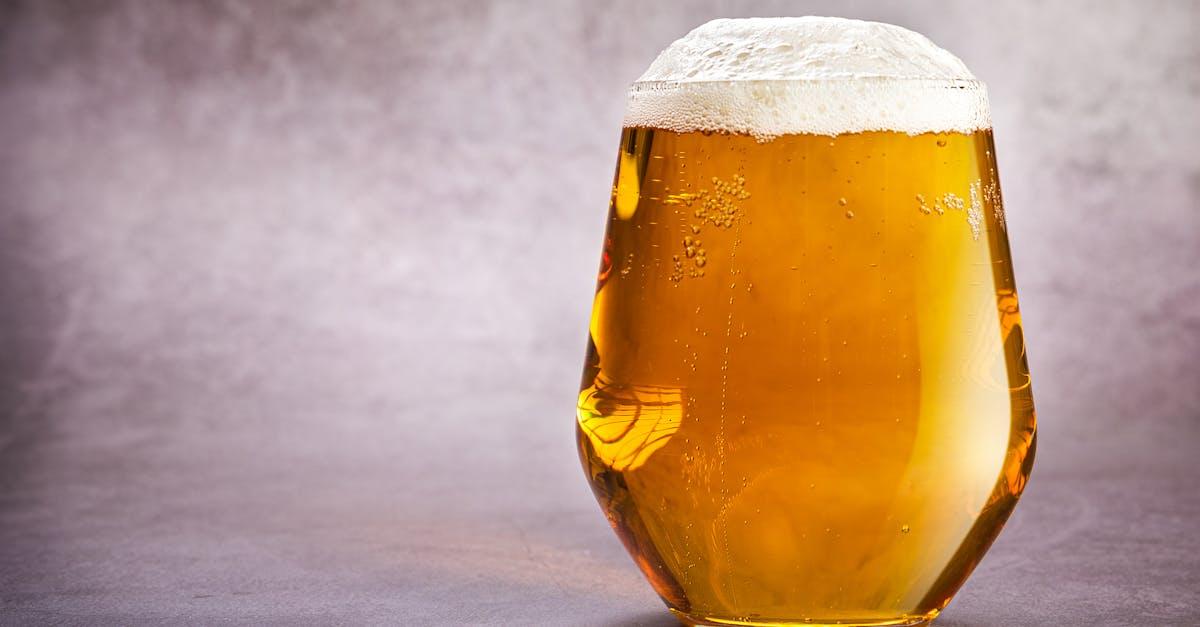
Your first homebrew — an extract American Pale Ale that teaches sanitization, boiling, fermentation, and bottling in one batch.
Bavarian Hefeweizen
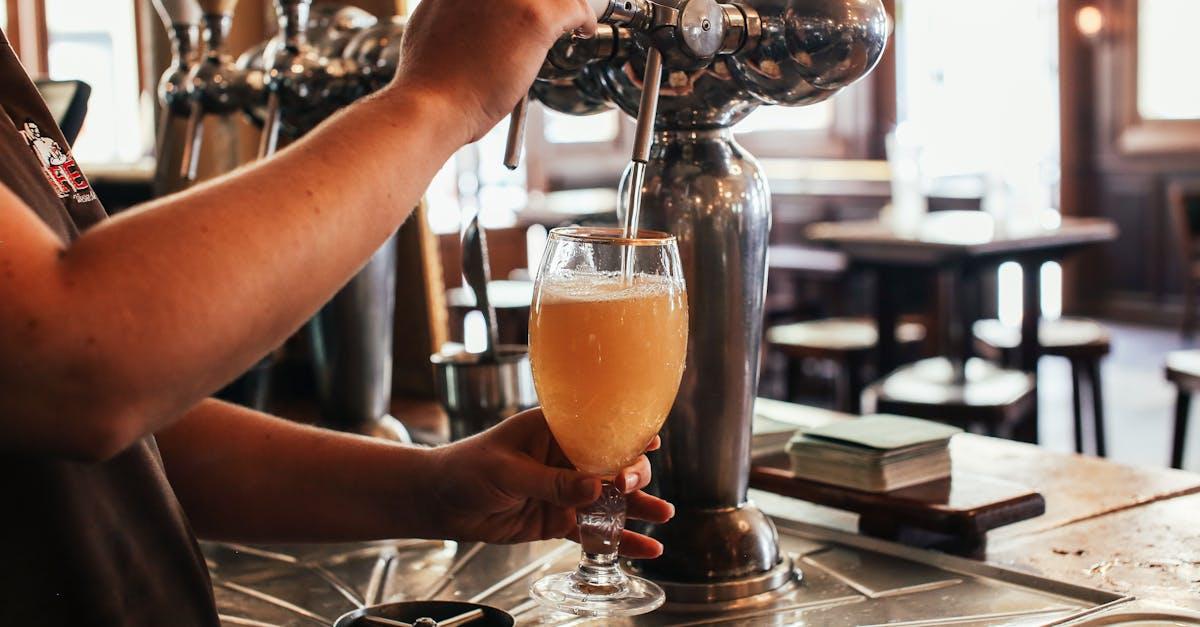
A Bavarian Hefeweizen where the yeast does the work — producing banana and clove flavors. Fermentation temperature is everything.
Oatmeal Stout
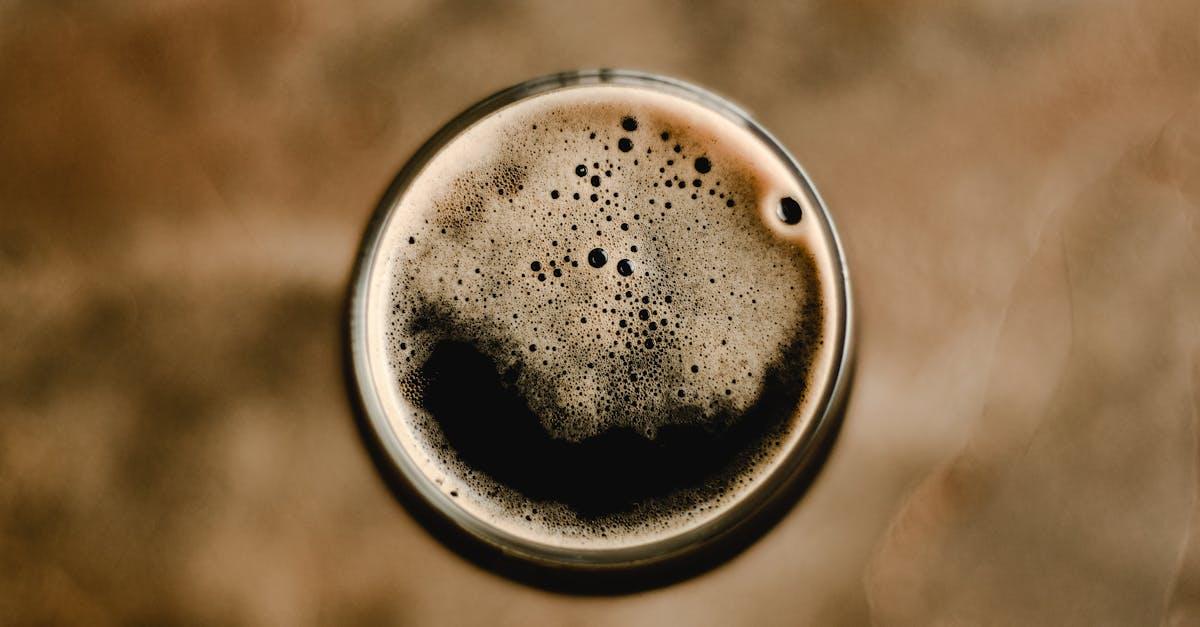
A creamy oatmeal stout with chocolate and coffee notes. A partial-mash recipe that bridges extract and all-grain brewing.
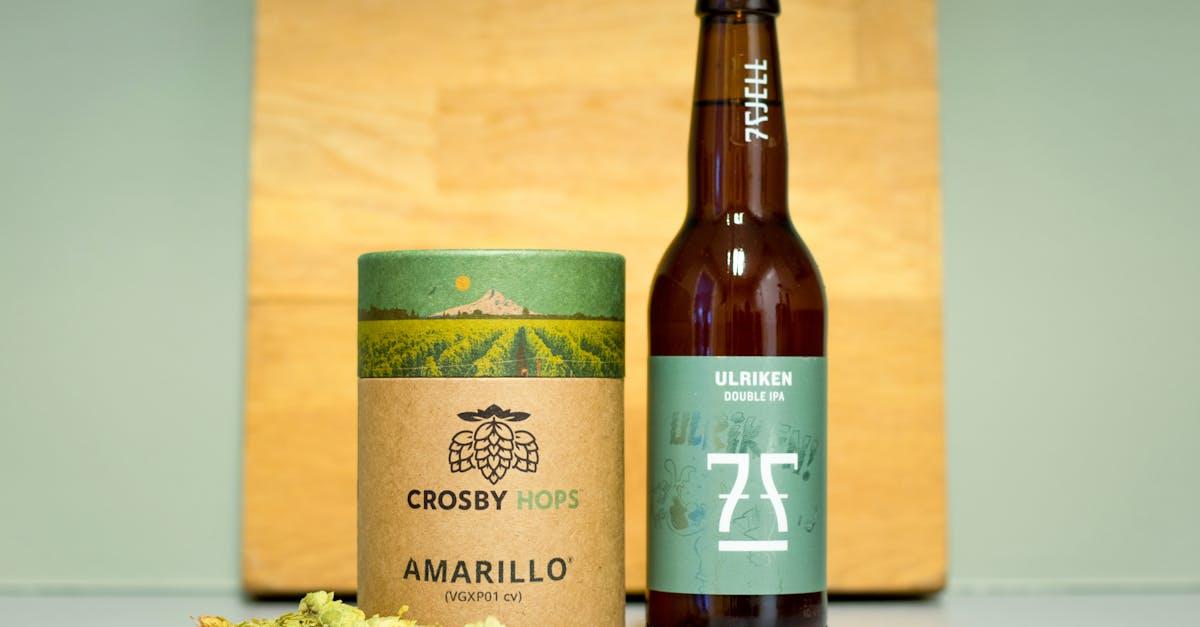
West Coast IPA (All-Grain)
An advanced all-grain West Coast IPA with 60+ IBUs of piney, citrusy bitterness. Full mash, multi-stage hop schedule.