brewing · Beer
Bavarian Hefeweizen
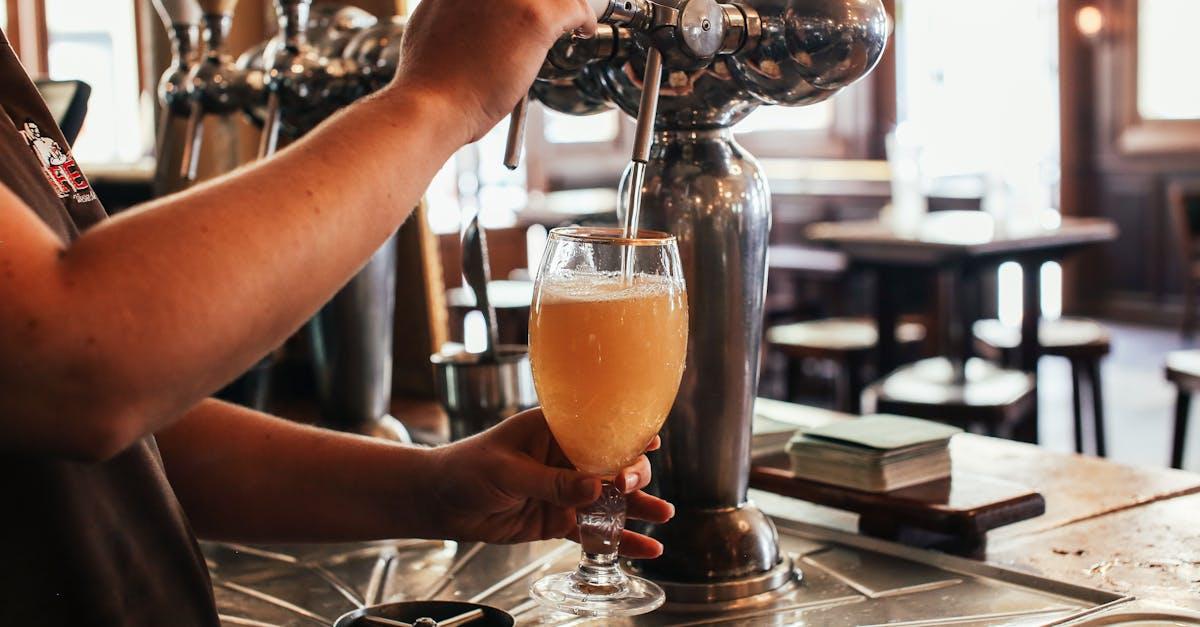
A Bavarian Hefeweizen where the yeast does the work — producing banana and clove flavors. Fermentation temperature is everything.
Nutrition (per serving)
150
Calories
1g
Protein
12g
Carbs
0g
Fat
0g
Fiber
Ingredients
Method
-
Steep the wheat malt. Heat 2.5 gallons of water to 155°F and steep the crushed white wheat malt in a muslin bag for 20 minutes. This adds extra wheat protein, which contributes to the thick, long-lasting head that defines the style. Remove the bag and let it drip.
-
Add extracts and boil. Remove from heat, stir in both wheat and Pilsner LME until dissolved. Return to heat and bring to a boil. The 50/50 wheat-to-barley ratio is traditional for the style and required by the German Reinheitsgebot for wheat beers.
-
Hop additions. Add 0.5 oz Hallertau at 60 minutes (target only 12–15 IBUs — this beer is about yeast character, not hops). Add 0.5 oz Tettnang at 15 minutes for subtle spicy, floral notes. German noble hops are deliberately restrained here.
-
Cool and pitch. Cool wort to 62°F. Transfer to fermenter, top up to 5 gallons, and aerate. Target OG: 1.048–1.052. Pitch the Hefeweizen yeast. This is where the magic happens — yeast strain selection is the single most important decision in this recipe.
-
Ferment with temperature strategy. Start fermentation at 62°F for the first 48 hours to promote clove phenol production (4-vinyl guaiacol). Then allow the temperature to rise to 68–70°F for the remaining fermentation to encourage banana ester production (isoamyl acetate). This temperature ramp is the key technique — lower temps favor clove, higher temps favor banana. Adjust to your preference. Ferment for 10 days total. Target FG: 1.010–1.014.
-
Bottle unfiltered. Dissolve 5 oz priming sugar in 2 cups boiling water, cool, and stir gently into the beer. Do not cold crash or fine this beer — the yeast haze is traditional and expected. Bottle and condition at room temperature for 2 weeks. Serve in a tall Weizen glass with a proper pour: roll the bottle to resuspend yeast before the final pour.
Equipment Required
- Brew kettle (5+ gallon)
- Fermenting bucket or carboy (6.5 gallon) with airlock
- Sanitizer (Star San or similar — sanitization is the #1 rule of brewing)
- Auto-siphon and tubing
- Hydrometer (for measuring gravity/alcohol)
- Thermometer Recommended: ThermoWorks ThermoPop 2
- Bottling bucket, bottles, caps, and capper (or a kegging system)
- Large stirring spoon
Chef Notes
- The most important thing: Use true Bavarian hefeweizen yeast (Wyeast 3068 or WLP300) — it produces the signature banana and clove flavors.
- Ferment at 62-64°F for more clove, 68-72°F for more banana.
- Wheat beers are meant to be cloudy — don't filter.
- Serve in a tall weizen glass. Swirl the last inch to resuspend yeast.
Common Substitutions
| Ingredient | Substitution | Notes |
|---|---|---|
| Ale yeast | Lager yeast (ferment at 50-55°F) | Completely different flavor profile — lager is cleaner |
| Corn sugar (priming) | Table sugar or honey | All work for carbonation — honey adds subtle flavor |
| Specialty grains | Liquid malt extract | Extract brewing is simpler — skip the mash step entirely |
| Glass carboy | Food-grade plastic bucket | Plastic is lighter and won't shatter — glass is easier to sanitize |
What You're Practicing
The Hefeweizen is a masterclass in yeast-driven flavor. Unlike most beers where malt and hops dominate, this style is defined entirely by fermentation byproducts. You are learning to manipulate ester and phenol production through temperature control. Isoamyl acetate (banana) forms when yeast is stressed at warmer temperatures; 4-vinyl guaiacol (clove) is a phenolic compound produced by POF+ (phenolic off-flavor positive) yeast strains — a trait that is a flaw in most beers but essential here. The 50/50 wheat-barley grist teaches you about protein content — wheat has more protein than barley, which creates the dense, mousse-like head. The low IBU target demonstrates that balance does not always mean bitterness; here, balance comes from the interplay of yeast character, wheat sweetness, and carbonation. This recipe connects directly to Fermentation Science — understanding how yeast metabolism changes with temperature is fundamental to all fermentation work.
Video Resources
Some equipment and ingredient links are affiliate links. We earn a small commission at no extra cost to you. Learn more
Comments (0)
Sign in to commentNo comments yet. Be the first to share your thoughts.
Frequently Asked Questions
- Can I make Bavarian Hefeweizen ahead of time?
- Yes — prep the components up to a day ahead and store covered in the refrigerator. Reheat gently or bring to room temperature before serving.
- How do I store leftover Bavarian Hefeweizen?
- Store in sealed bottles in a cool, dark place. Fermented beverages continue to develop flavor over time — check individual recipe notes for aging guidelines.
- Can I freeze Bavarian Hefeweizen?
- Most fermented beverages should not be frozen. Store according to the specific recipe's aging and storage guidelines.
- How many servings does this recipe make?
- This recipe serves 5 gallons (~48 bottles). You can scale the ingredients up or down proportionally — use the Meal Plan servings slider to adjust the grocery list automatically.
- Why does Bavarian Hefeweizen take so long?
- This recipe takes 240 hours because the flavors need time to develop and meld together. The hands-on time is much shorter — most of the cook time is unattended.
- Is Bavarian Hefeweizen dairy free and vegetarian?
- Yes — this recipe is dairy free and vegetarian. Check the Common Substitutions section for additional dietary adaptations.
- What substitutions can I make for Bavarian Hefeweizen?
- See the Common Substitutions section above for ingredient and equipment swaps with specific trade-off notes for each alternative.
You Might Also Like
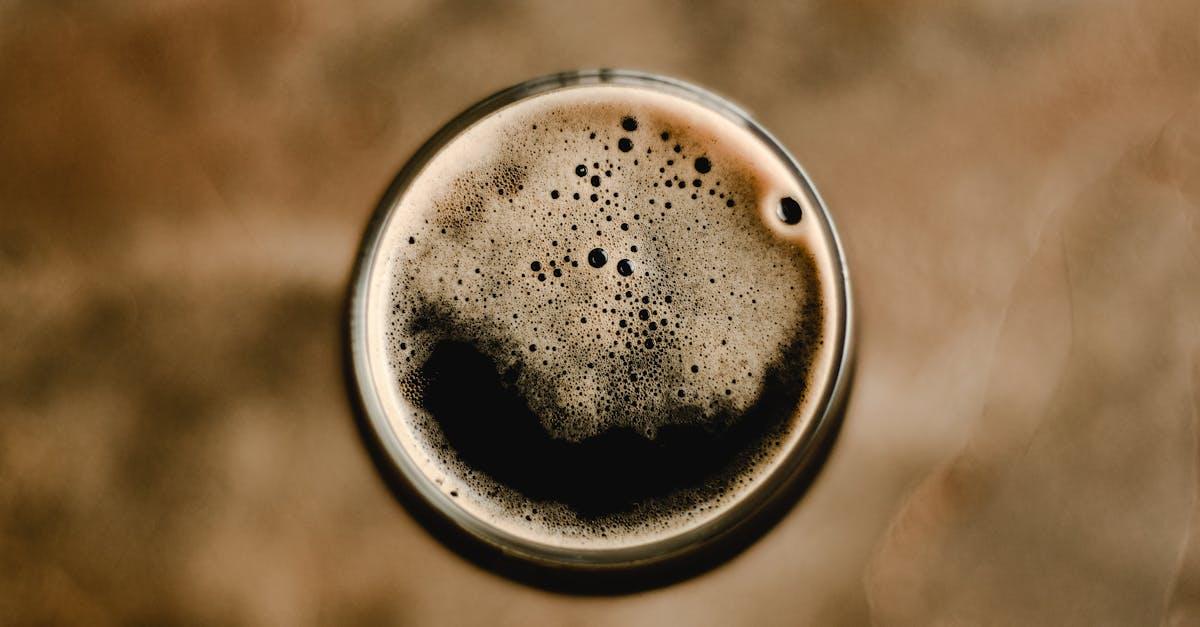
Oatmeal Stout
A creamy oatmeal stout with chocolate and coffee notes. A partial-mash recipe that bridges extract and all-grain brewing.
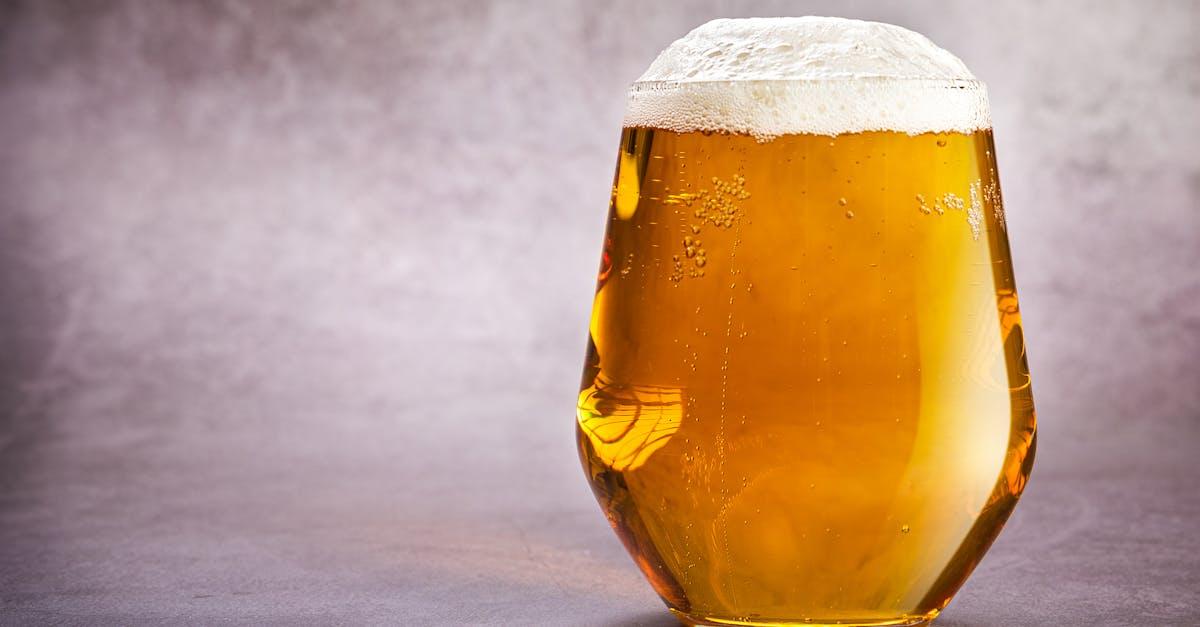
American Pale Ale (Extract Brew)
Your first homebrew — an extract American Pale Ale that teaches sanitization, boiling, fermentation, and bottling in one batch.
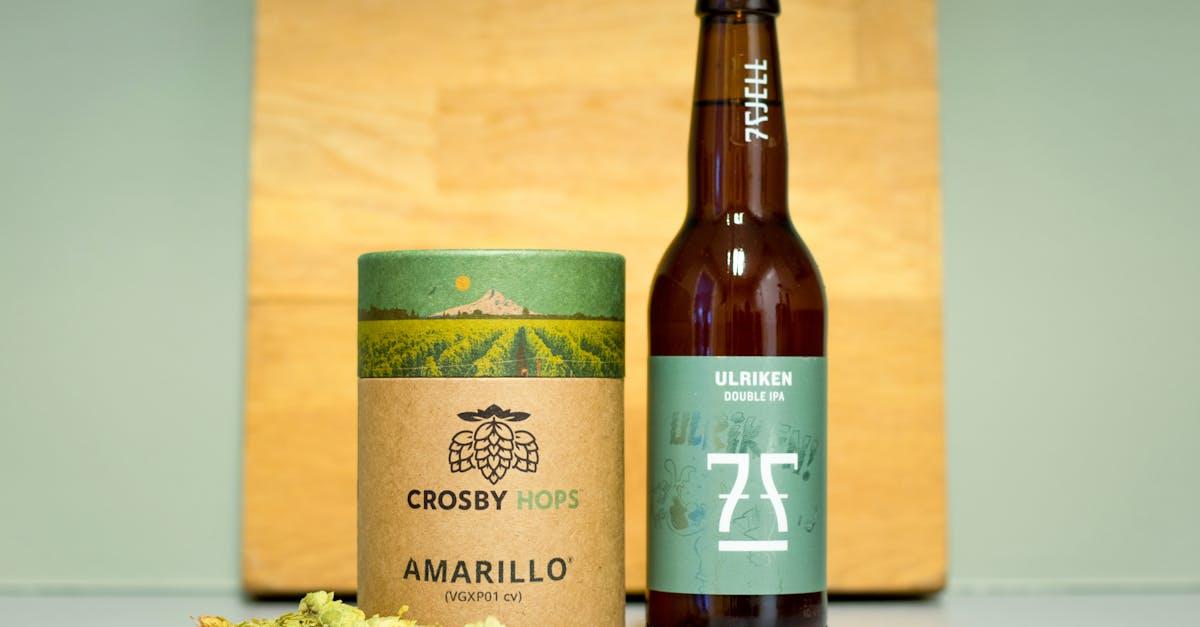
West Coast IPA (All-Grain)
An advanced all-grain West Coast IPA with 60+ IBUs of piney, citrusy bitterness. Full mash, multi-stage hop schedule.
Country Apple Wine
Country apple wine from fresh juice, sugar, and yeast. No kits, no concentrates — just fruit and patience.