brewing · Spirits
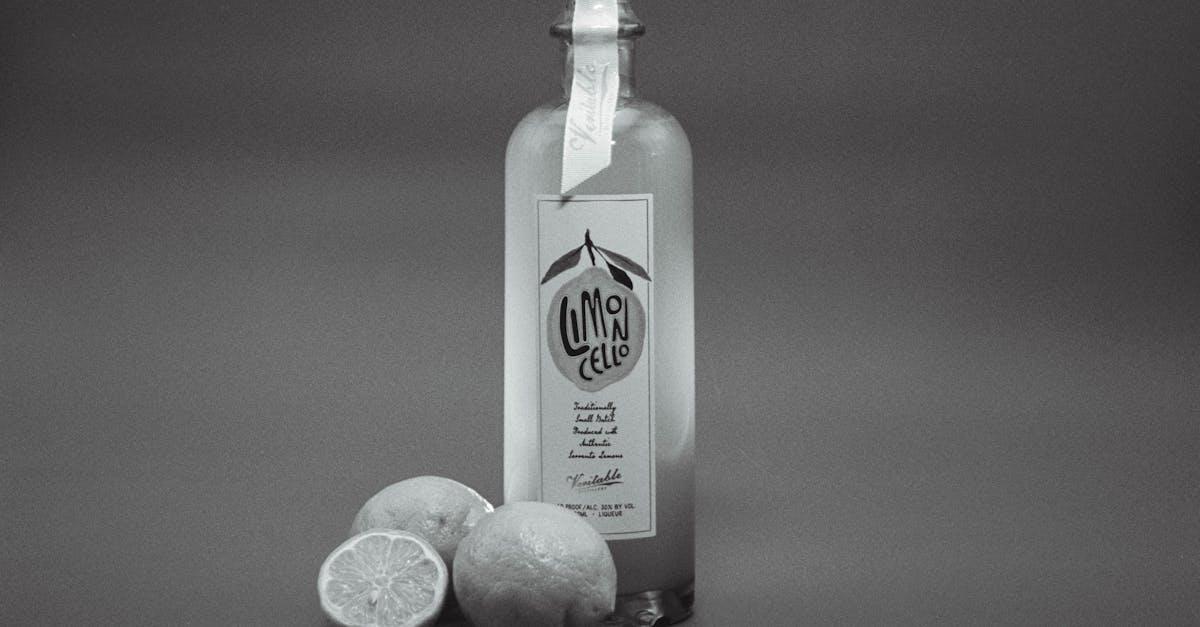
Homemade Limoncello
Classic Italian limoncello — lemon zest infused in vodka and sweetened with simple syrup. Served ice-cold as a digestivo.
Nutrition (per serving)
150
Calories
1g
Protein
12g
Carbs
0g
Fat
0g
Fiber
Ingredients
Method
-
Zest the lemons. Using a sharp vegetable peeler or microplane, remove only the yellow zest from all 10 lemons — avoid the white pith, which is intensely bitter. The yellow zest contains the essential oil limonene, which is what gives limoncello its explosive lemon aroma. If using a peeler, scrape any white pith off the back of each strip with a paring knife. This step takes 15–20 minutes and is the most important part of the recipe.
-
Infuse in vodka. Place all the zest in a large glass jar (mason jar or swing-top bottle) and pour the vodka over it. Seal tightly and store in a cool, dark place. The alcohol acts as a solvent, extracting limonene, citral, and other aromatic compounds from the zest. Shake gently once a day. Infuse for a minimum of 7 days — 14 days is better. The vodka will turn bright yellow as the oils dissolve into solution.
-
Make the simple syrup. After the infusion period, combine sugar and water in a saucepan over medium heat. Stir until the sugar is completely dissolved. Do not boil — you want a clear syrup, not caramel. Let the syrup cool completely to room temperature before combining with the infusion.
-
Combine and strain. Strain the infused vodka through a fine-mesh sieve lined with cheesecloth to remove all zest pieces. Combine the strained infusion with the cooled simple syrup. Stir well. The mixture will turn slightly cloudy — this is the louche effect, caused by limonene (which is soluble in alcohol but not in water) forming a micro-emulsion when the alcohol concentration drops.
-
Bottle and rest. Pour the limoncello into clean glass bottles. Seal and refrigerate or freeze for at least 7 days before serving. This resting period allows the flavors to marry and the harshness of the alcohol to mellow. Limoncello stored in the freezer will not freeze (the alcohol content prevents it) and develops a syrupy, viscous texture that is traditional for serving.
-
Serve. Pour into small chilled glasses straight from the freezer. Limoncello is a digestivo — served after a meal to aid digestion. The cold temperature suppresses the alcohol burn and amplifies the lemon aroma. It also makes an excellent base for cocktails: add to prosecco for a Limoncello Spritz, or shake with gin and lemon juice for a Limoncello Collins.
Equipment Required
- Large glass jar with lid (half gallon or larger)
- Vegetable peeler or microplane zester Recommended: Microplane Premium Classic Zester
- Fine-mesh strainer or cheesecloth Recommended: Winco 8-Inch Stainless Steel Fine Mesh Strainer
- Glass bottles for storage
- Funnel
Chef Notes
- The most important thing: Use only the yellow zest — no white pith. The pith is intensely bitter.
- Use organic, unwaxed lemons. Conventional lemons have wax that affects flavor.
- Steep zest in grain alcohol for at least 7 days. Longer (up to 30 days) extracts more lemon oil.
- Store and serve from the freezer — limoncello should be ice-cold.
Common Substitutions
| Ingredient | Substitution | Notes |
|---|---|---|
| Ale yeast | Lager yeast (ferment at 50-55°F) | Completely different flavor profile — lager is cleaner |
| Corn sugar (priming) | Table sugar or honey | All work for carbonation — honey adds subtle flavor |
| Specialty grains | Liquid malt extract | Extract brewing is simpler — skip the mash step entirely |
| Glass carboy | Food-grade plastic bucket | Plastic is lighter and won't shatter — glass is easier to sanitize |
What You're Practicing
Limoncello teaches you about solvent extraction — alcohol dissolves non-polar aromatic compounds (essential oils) that water cannot. This is the same principle behind vanilla extract, bitters, and tinctures. The zesting technique teaches precision knife work and the anatomy of citrus fruit — the flavedo (colored outer layer) contains oil glands, while the albedo (white pith) contains bitter limonoids. The louche effect demonstrates emulsion chemistry — when you add water-based syrup to the alcohol infusion, the polarity of the solution changes and limonene comes out of solution as tiny droplets, scattering light and creating cloudiness. The resting period teaches you about flavor integration — freshly combined limoncello tastes harsh and disjointed, but time allows the sugar, alcohol, and citrus oils to reach equilibrium. This is the same principle that makes aged spirits smoother than young ones. Understanding extraction and infusion connects to broader kitchen techniques like making stocks, broths, and marinades.
Video Resources
Some equipment and ingredient links are affiliate links. We earn a small commission at no extra cost to you. Learn more
Comments (0)
Sign in to commentNo comments yet. Be the first to share your thoughts.
Frequently Asked Questions
- Can I make Homemade Limoncello ahead of time?
- Yes — prep the components up to a day ahead and store covered in the refrigerator. Reheat gently or bring to room temperature before serving.
- How do I store leftover Homemade Limoncello?
- Store in sealed bottles in a cool, dark place. Fermented beverages continue to develop flavor over time — check individual recipe notes for aging guidelines.
- Can I freeze Homemade Limoncello?
- Most fermented beverages should not be frozen. Store according to the specific recipe's aging and storage guidelines.
- How many servings does this recipe make?
- This recipe serves 1.5 liters (~2 bottles). You can scale the ingredients up or down proportionally — use the Meal Plan servings slider to adjust the grocery list automatically.
- Why does Homemade Limoncello take so long?
- This recipe takes 336 hours because the flavors need time to develop and meld together. The hands-on time is much shorter — most of the cook time is unattended.
- Is Homemade Limoncello dairy free and gluten free and vegetarian?
- Yes — this recipe is dairy free and gluten free and vegetarian. Check the Common Substitutions section for additional dietary adaptations.
- Is this an authentic Italian recipe?
- This recipe follows traditional Italian techniques and ingredients. The Chef Notes section explains any adaptations for home kitchen accessibility and suggests authentic alternatives where substitutions are made.
- What substitutions can I make for Homemade Limoncello?
- See the Common Substitutions section above for ingredient and equipment swaps with specific trade-off notes for each alternative.
You Might Also Like

American Pale Ale (Extract Brew)
Your first homebrew — an extract American Pale Ale that teaches sanitization, boiling, fermentation, and bottling in one batch.
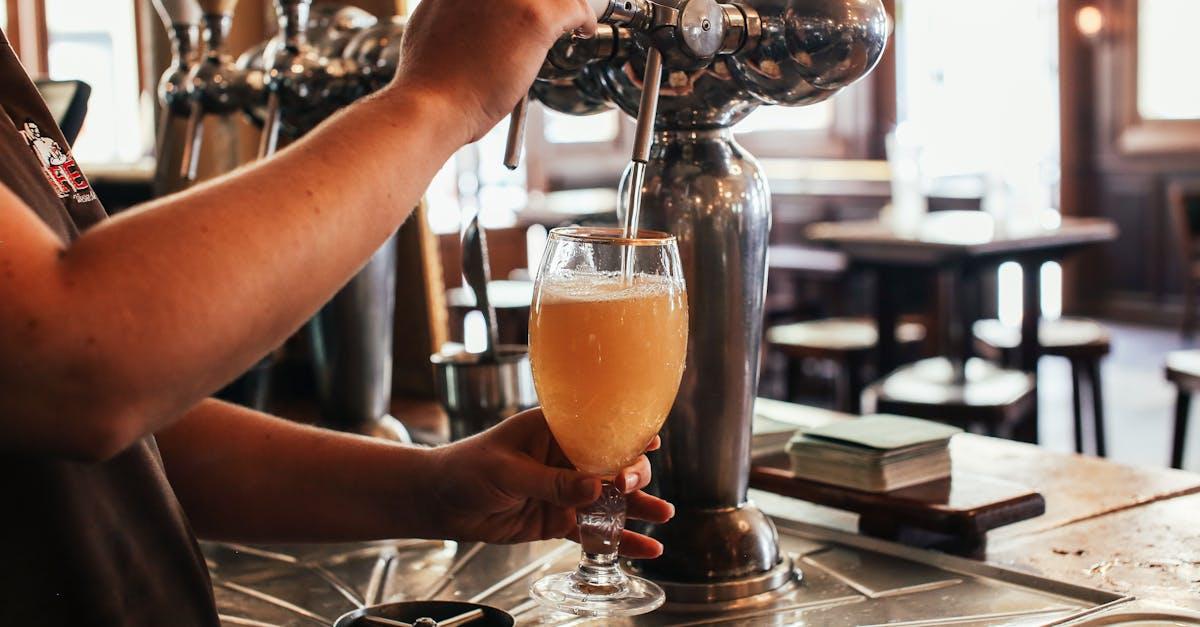
Bavarian Hefeweizen
A Bavarian Hefeweizen where the yeast does the work — producing banana and clove flavors. Fermentation temperature is everything.

Oatmeal Stout
A creamy oatmeal stout with chocolate and coffee notes. A partial-mash recipe that bridges extract and all-grain brewing.
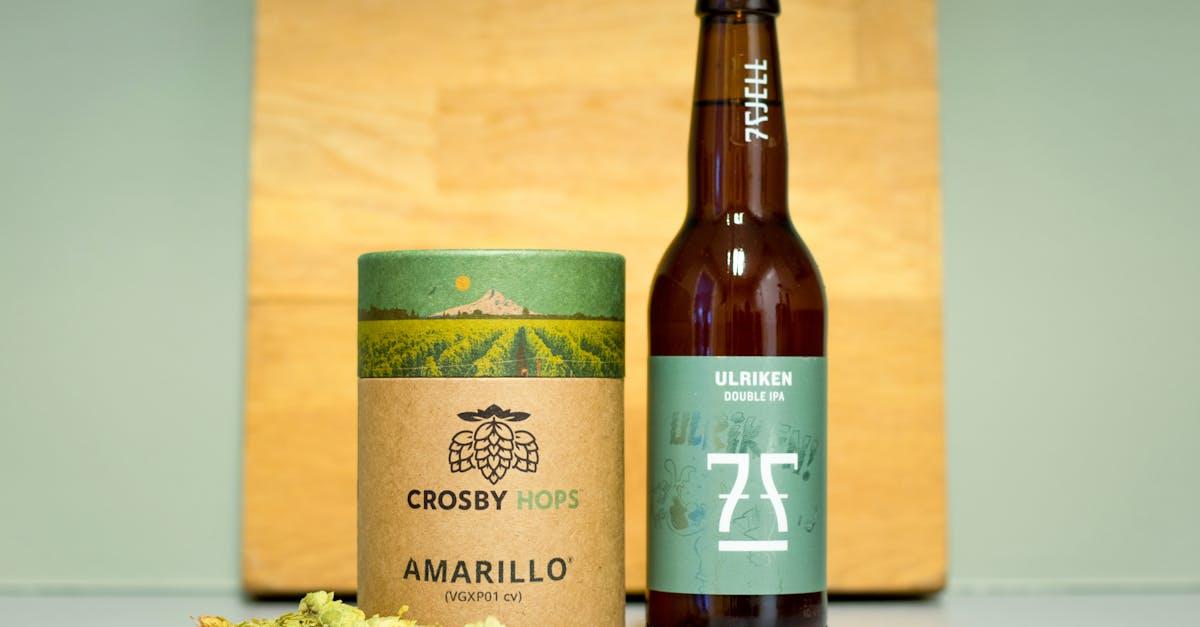
West Coast IPA (All-Grain)
An advanced all-grain West Coast IPA with 60+ IBUs of piney, citrusy bitterness. Full mash, multi-stage hop schedule.