breads · Loaf
No-Knead Rustic Bread
Where precision meets creativity — doughs, custards, bread, and the science of flour, sugar, eggs, and heat.

Nutrition (per serving)
280
Calories
8g
Protein
42g
Carbs
8g
Fat
2g
Fiber
Ingredients
Method
Day 1 (evening — 5 min)
- Combine flour, salt, and yeast in a large bowl. Add water. Stir with a wooden spoon until a shaggy, sticky dough forms. Do not knead.
- Cover with plastic wrap or a plate. Leave at room temperature (65–72°F) for 12–18 hours.
Day 2 (morning)
-
The dough will have doubled and the surface will be bubbly and dotted with holes. This is fermentation at work — the yeast has been slowly producing CO2 and alcohol, while time has developed the gluten network without any kneading.
-
Shape: Flour your hands and a work surface generously. Turn dough out. Fold it over itself once or twice (don't punch it down — you want to keep those gas bubbles). Shape into a rough ball by tucking the edges underneath.
-
Second rise: Place dough seam-side down on a piece of parchment paper. Dust top with flour. Cover with a towel. Let rise 1–2 hours until nearly doubled and the dough doesn't spring back quickly when poked.
-
Preheat: 30 min before baking, place Dutch oven (with lid) in the oven. Preheat to 450°F.
-
Bake: Carefully remove the screaming-hot Dutch oven. Lift the dough (using the parchment as a sling) into the pot. Score the top with a sharp knife or razor blade (a single slash or an X — this controls where the bread expands). Cover with lid.
-
Bake covered 30 min (the lid traps steam, which keeps the crust soft long enough for the bread to fully expand — this is called "oven spring").
-
Remove lid. Bake uncovered 15–20 min until deeply golden brown and the loaf sounds hollow when tapped on the bottom.
-
Cool on a wire rack for at least 30 min before slicing (the interior is still cooking from residual heat — cutting too early = gummy crumb).
Equipment
- Large bowl
- Dutch oven with lid (cast iron ideal) Recommended: Lodge 6-Quart Enameled Cast Iron Dutch Oven · Also good: Lodge 6-Quart Enameled Cast Iron Dutch Oven
- Parchment paper Recommended: Reynolds Kitchens Parchment Paper Roll
Chef Notes
- The most important thing: Let the oven fully preheat — at least 15 minutes. An under-heated oven produces pale, steamed food instead of caramelized, roasted food.
- The hands-on time is much shorter than the total time. Most of the 18+ hours is unattended cooking — use that time for sides or cleanup.
- This recipe improves overnight as the flavors meld. Make it a day ahead if you can — it's even better reheated.
- Taste as you go and adjust seasoning at the end. Salt levels change as liquids reduce and flavors concentrate.
Common Substitutions
| Ingredient | Substitution | Notes |
|---|---|---|
| Flour | Gluten-free 1:1 flour blend | Bob's Red Mill or King Arthur GF blends work best. |
| Bread | Gluten-free bread or lettuce wraps | GF bread varies by brand. Lettuce for low-carb. |
| Honey | Maple syrup or agave | Maple adds distinct flavor. Agave is most neutral. |
| Dutch oven | Heavy-bottomed pot with tight lid | Any heavy pot works — the tight lid is essential. |
What You're Learning
- Long, slow fermentation develops flavor and gluten without kneading
- Minimal yeast + long time = complex, slightly tangy flavor (similar to sourdough)
- The Dutch oven creates a professional steam-injection oven environment at home
- Scoring controls the expansion — without it, the bread tears unpredictably
- Cooling is part of baking — the crumb structure sets as it cools
Foundations Referenced
The Science
Gluten develops in two ways: mechanical action (kneading) or time. Given enough time (12+ hours), the flour's glutenin and gliadin proteins hydrate and link together into a gluten network on their own. The tiny amount of yeast works slowly, producing CO2 (for rise) and organic acids (for flavor). The Dutch oven's sealed environment traps moisture from the dough itself, creating steam that gelatinizes the surface starch — this is what gives artisan bread its crackling, glossy crust.
Variations
- Olive-rosemary: Fold in 1/2 cup chopped olives and 1 tbsp minced rosemary during shaping
- Seeded: Roll the shaped dough in a mix of sesame, poppy, and flax seeds before the second rise
- Whole wheat: Replace 1 cup bread flour with whole wheat flour. Add 1 tbsp honey and 2 tbsp extra water.
What You're Practicing
Bread baking teaches fermentation, gluten development, and the patience to let time do the work. Understanding how yeast, flour, water, and salt interact is one of the most fundamental skills in cooking. Visit Pastry Foundations for more on dough science.
Fermentation harnesses beneficial microorganisms to transform ingredients — creating complex flavors, preserving food, and building probiotic cultures. The same principles apply to kimchi, sourdough, yogurt, and beer. Visit Brines, Cures & Marinades for more on fermentation.
Some equipment and ingredient links are affiliate links. We earn a small commission at no extra cost to you. Learn more
Comments (0)
Sign in to commentNo comments yet. Be the first to share your thoughts.
Frequently Asked Questions
- Can I make No-Knead Rustic Bread ahead of time?
- Yes. overnight as the flavors meld.
- How do I store leftover No-Knead Rustic Bread?
- Store at room temperature wrapped in a towel for 1-2 days, or freeze wrapped tightly for up to 3 months. Refresh in a 350°F oven for 5 minutes.
- Can I freeze No-Knead Rustic Bread?
- Yes — breads freeze exceptionally well for up to 3 months. Wrap tightly in plastic wrap and foil. Thaw at room temperature or refresh in a warm oven.
- How many servings does this recipe make?
- This recipe serves 8. You can scale the ingredients up or down proportionally — use the Meal Plan servings slider to adjust the grocery list automatically.
- Why does No-Knead Rustic Bread take so long?
- This recipe takes 18 hours because the flavors need time to develop and meld together. The hands-on time is much shorter — most of the cook time is unattended.
- Is No-Knead Rustic Bread dairy free and vegetarian?
- Yes — this recipe is dairy free and vegetarian. Check the Common Substitutions section for additional dietary adaptations.
- What substitutions can I make for No-Knead Rustic Bread?
- See the Common Substitutions section above for ingredient and equipment swaps with specific trade-off notes for each alternative.
You Might Also Like
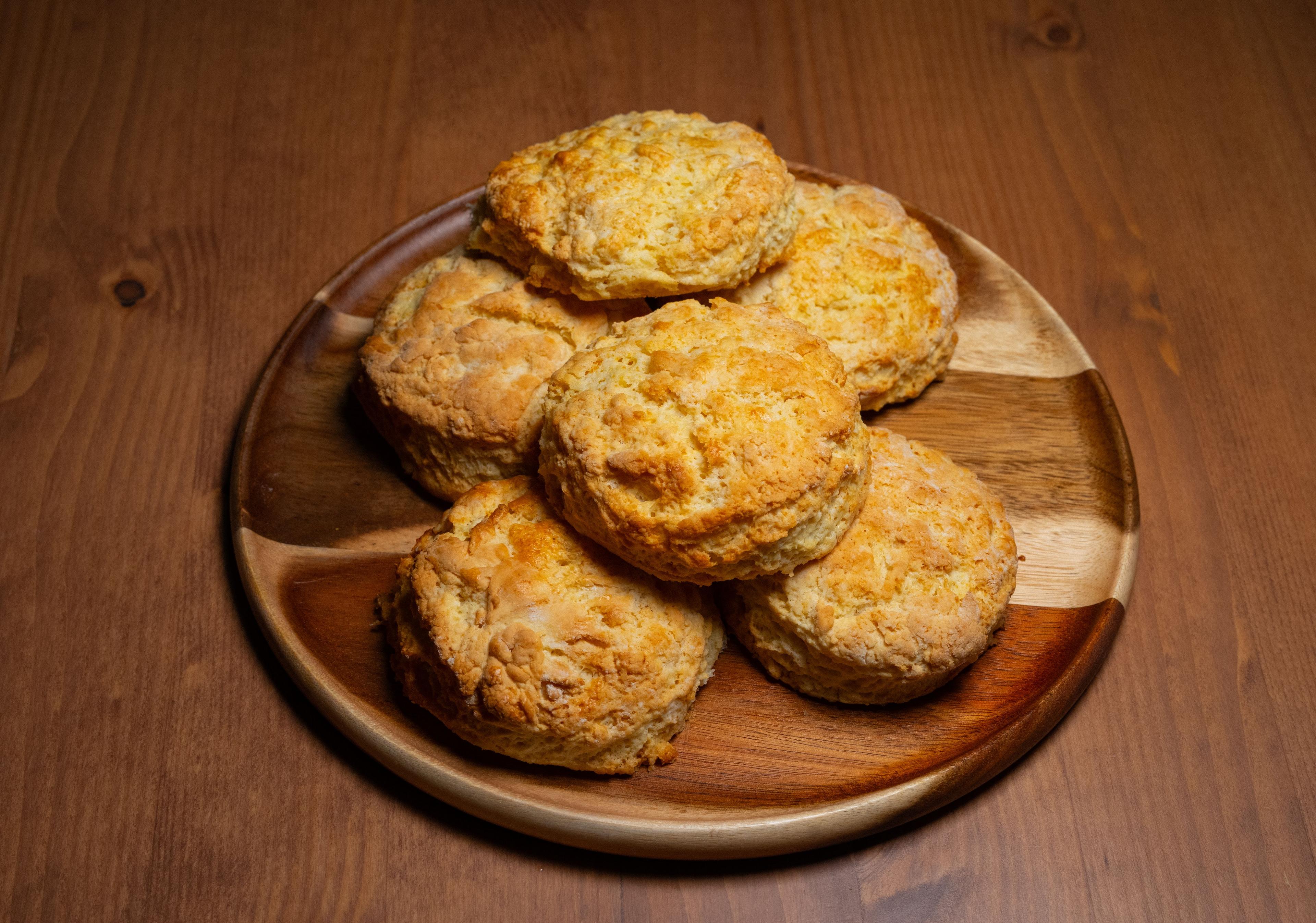
Buttermilk Biscuits
Buttermilk biscuits — tall, flaky, and buttery with layers from a simple fold technique.

Corn Tortillas
Corn Tortillas — a Mexican bread Ready in 30 minutes. Perfect for weeknight cooking. Quick and easy.

Banana Bread
Banana bread — moist, tender, and deeply flavored from overripe bananas. The riper, the better.

Colombian Arepas
Colombian arepas — golden cornmeal cakes with a crispy crust and soft, cheesy center.