sides · appetizer
Classic Hummus
Classic hummus with tahini, lemon, and garlic — silky smooth with a cumin-olive oil drizzle.

Nutrition (per serving)
180
Calories
7g
Protein
18g
Carbs
10g
Fat
5g
Fiber
Ingredients
Method
-
Add tahini and lemon juice to the food processor and process for 90 seconds until the mixture is thick, pale, and creamy. This step is critical — whipping the tahini with acid first creates a smoother base than adding everything at once. Scrape down the sides halfway through.
-
Add the garlic, cumin, and salt and process for 30 seconds. Adding aromatics to the whipped tahini base distributes them evenly throughout the hummus.
-
Add half the chickpeas and process for 1 minute. Then add the remaining chickpeas and process for another 2-3 minutes, scraping down the sides as needed. The hummus should be very smooth and thick at this point.
-
With the processor running, drizzle in 2-3 tablespoons of ice water until the hummus reaches your desired consistency. It should be lighter and fluffier than what you see in the bowl — it thickens as it chills. If it's still too thick, add reserved chickpea liquid 1 tablespoon at a time.
-
Taste and adjust — you'll likely need more lemon juice, salt, or both. Hummus should taste bright and tangy, not flat. The tahini provides richness; the lemon provides life.
-
Transfer to a shallow bowl and create a well in the center with the back of a spoon. Drizzle generously with olive oil, dust with smoked paprika, and scatter fresh parsley. Serve with warm pita bread, raw vegetables, or as a spread.
Equipment
- Food processor (not a blender — blenders don't create the right texture) Recommended: Ninja Professional Plus Blender
- Microplane or fine grater for garlic
- Rubber spatula Recommended: GIR Ultimate Silicone Spatula
Chef Notes
- The most important thing: Use ice water, not room temperature. Cold water emulsifies the tahini and produces a dramatically smoother texture.
- Process for a full 4-5 minutes — most people stop too early. Restaurant-quality hummus is blended until it's almost whipped.
- Taste the tahini before using it. Rancid tahini ruins hummus. It should taste nutty, not bitter.
- Canned chickpeas work perfectly. If using dried, cook until they're falling apart — undercooked chickpeas make grainy hummus.
- Let the hummus rest 30 minutes in the fridge before serving. The flavors meld and the texture firms slightly.
Common Substitutions
| Ingredient | Substitution | Notes |
|---|---|---|
| Bread | Gluten-free bread or lettuce wraps | GF bread varies by brand. Lettuce wraps for low-carb. |
| Olive oil | Avocado oil or grapeseed oil | Avocado oil has higher smoke point. Grapeseed is neutral. |
| Lemon juice | Lime juice or white wine vinegar | Lime is slightly sweeter. Vinegar for pure acidity. |
| Mayonnaise | Greek yogurt or avocado | Yogurt is tangier. Mashed avocado for richness. |
| Cumin | Coriander + pinch of chili powder | Coriander is lighter — chili adds the warmth. |
| Paprika | Ancho chili powder or cayenne (use ¼ amount) | Ancho is smoky-sweet. Cayenne is much hotter. |
What You're Practicing
Hummus teaches you about emulsification in a non-Western context. The tahini-lemon-water combination creates a stable emulsion — the same principle behind vinaigrettes and mayonnaise, but using sesame paste as the fat base. Understanding how to whip tahini into a smooth, creamy state is a skill that transfers to baba ganoush, tahini sauce, and halva. See Vinaigrettes for more on emulsification.
The technique of processing in stages — tahini first, then chickpeas in batches — demonstrates how ingredient order affects texture. This same principle applies to making smooth soups, sauces, and purées. Rushing the process by adding everything at once produces a grainy result.
Video Resources
Some equipment and ingredient links are affiliate links. We earn a small commission at no extra cost to you. Learn more
Comments (0)
Sign in to commentNo comments yet. Be the first to share your thoughts.
Frequently Asked Questions
- Can I make Classic Hummus ahead of time?
- Yes — prep the components up to a day ahead and store covered in the refrigerator. Reheat gently or bring to room temperature before serving.
- How do I store leftover Classic Hummus?
- Store in an airtight container in the refrigerator for 3-4 days. Most sides reheat well in the oven at 350°F for 10-15 minutes.
- Can I freeze Classic Hummus?
- Most cooked sides freeze well for 2-3 months. Soups and stews freeze especially well. Avoid freezing dishes with high dairy content — they can separate when thawed.
- How many servings does this recipe make?
- This recipe serves 6. You can scale the ingredients up or down proportionally — use the Meal Plan servings slider to adjust the grocery list automatically.
- Is Classic Hummus a quick recipe?
- Yes — this recipe is ready in 15 minutes including prep time, making it perfect for busy weeknights.
- Is Classic Hummus dairy free and gluten free and vegan and vegetarian?
- Yes — this recipe is dairy free and gluten free and vegan and vegetarian. Check the Common Substitutions section for additional dietary adaptations.
- Is this an authentic Lebanese recipe?
- This recipe follows traditional Lebanese techniques and ingredients. The Chef Notes section explains any adaptations for home kitchen accessibility and suggests authentic alternatives where substitutions are made.
- What substitutions can I make for Classic Hummus?
- See the Common Substitutions section above for ingredient and equipment swaps with specific trade-off notes for each alternative.
You Might Also Like

Baba Ganoush
Baba ganoush with charred eggplant and tahini — smoky, creamy, and deeply savory.

Baked Sweet Potato Fries
Baked sweet potato fries with a cornstarch coating for crispy edges and sriracha mayo for dipping.

Braised Collard Greens
Braised collard greens slow-simmered with bacon, vinegar, and chicken stock until silky tender.
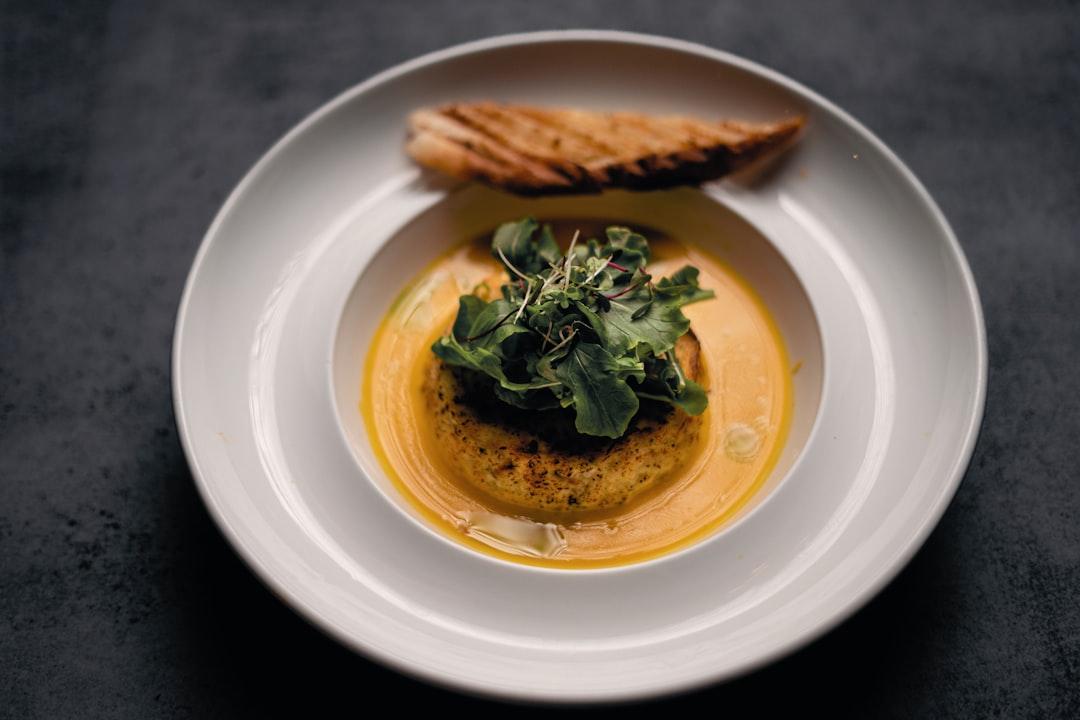
Butternut Squash Bisque with Sage Brown Butter
Silky roasted squash soup finished with a sage brown butter drizzle. Teaches the purée soup method and the liaison technique.