sides · appetizer
Labneh
Labneh — thick strained yogurt cheese with olive oil and za'atar. Two ingredients, zero effort.

Nutrition (per serving)
140
Calories
6g
Protein
8g
Carbs
10g
Fat
0g
Fiber
Ingredients
Method
-
Stir the salt into the yogurt until evenly distributed. The salt serves two purposes: it seasons the labneh and it draws out moisture through osmosis, speeding up the straining process. Don't skip this step.
-
Line a fine-mesh sieve with cheesecloth (doubled) or a clean kitchen towel. Set it over a bowl deep enough to catch the whey without the sieve touching the liquid. Pour the salted yogurt into the lined sieve.
-
Gather the edges of the cheesecloth and tie them together, or simply cover with plastic wrap. Refrigerate for 12-24 hours. The whey will slowly drip out, leaving behind a thick, tangy cheese. After 12 hours you'll have a spreadable consistency; after 24 hours it's firmer and richer.
-
Check the consistency — it should be thick like cream cheese, holding its shape when scooped. If it's still too loose, strain longer. You'll lose about half the volume as whey. Don't discard the whey — it's excellent in smoothies, bread dough, or soups.
-
Transfer the labneh to a shallow bowl or plate. Use the back of a spoon to create swoops and wells. Drizzle generously with your best olive oil — this is where quality oil matters. The fruity, peppery oil against the tangy labneh is a simple but stunning combination.
-
Sprinkle with za'atar and scatter fresh mint if using. Serve with warm pita bread for tearing and scooping. Labneh is a staple of the Lebanese breakfast table, served alongside olives, tomatoes, cucumbers, and fresh herbs. Its simplicity is its strength.
Equipment
- Fine-mesh sieve or colander Recommended: OXO Good Grips 5-Quart Stainless Steel Colander
- Cheesecloth or clean kitchen towel
- Bowl to catch whey
- Rubber band or string
Chef Notes
- The most important thing: Use full-fat yogurt, not low-fat or non-fat. The fat is what gives labneh its luxurious, cream-cheese-like texture. Low-fat yogurt produces a chalky, thin result.
- Strain for 12-24 hours for a spreadable consistency, or 48 hours for a firmer cheese you can roll into balls. The longer you strain, the thicker it gets.
- Don't use Greek yogurt — it's already been strained and won't yield the same texture. Start with regular whole milk yogurt for the best results.
- The salt isn't just for flavor — it draws out moisture and helps the straining process. Add it before straining.
- Labneh keeps in the fridge for up to a week. Drizzle olive oil on top to prevent a skin from forming.
Common Substitutions
| Ingredient | Substitution | Notes |
|---|---|---|
| Cream cheese | Mascarpone or Neufchâtel | Mascarpone is richer. Neufchâtel is lower fat. |
| Whole milk | Oat milk or almond milk | Oat milk is creamiest. Almond is thinner — add 1 tsp oil. |
| Yogurt | Sour cream or coconut yogurt | Sour cream is thicker. Coconut yogurt for dairy-free. |
| Ricotta | Cottage cheese (blended) or tofu ricotta | Blend cottage cheese smooth. Tofu ricotta for dairy-free. |
| Bread | Gluten-free bread or lettuce wraps | GF bread varies by brand. Lettuce wraps for low-carb. |
| Olive oil | Avocado oil or grapeseed oil | Avocado oil has higher smoke point. Grapeseed is neutral. |
What You're Practicing
Labneh teaches you about straining as a technique for transforming texture — the same principle behind making ricotta, mascarpone, and paneer. Understanding how removing whey concentrates both flavor and texture gives you a tool that applies across dairy-based preparations. See Techniques for more on dairy transformations.
The simplicity of labneh — just yogurt and salt — demonstrates that great food doesn't require complexity. Learning to let quality ingredients speak for themselves, enhanced by good olive oil and a well-chosen spice blend, is a philosophy that applies to Italian, Japanese, and French cooking as much as Middle Eastern. See Equipment for more on choosing quality pantry staples.
Video Resources
Some equipment and ingredient links are affiliate links. We earn a small commission at no extra cost to you. Learn more
Comments (0)
Sign in to commentNo comments yet. Be the first to share your thoughts.
Frequently Asked Questions
- Can I make Labneh ahead of time?
- Yes — prep the components up to a day ahead and store covered in the refrigerator. Reheat gently or bring to room temperature before serving.
- How do I store leftover Labneh?
- Store in an airtight container in the refrigerator for 3-4 days. Most sides reheat well in the oven at 350°F for 10-15 minutes.
- Can I freeze Labneh?
- Most cooked sides freeze well for 2-3 months. Soups and stews freeze especially well. Avoid freezing dishes with high dairy content — they can separate when thawed.
- How many servings does this recipe make?
- This recipe serves 4. You can scale the ingredients up or down proportionally — use the Meal Plan servings slider to adjust the grocery list automatically.
- Is Labneh a quick recipe?
- Yes — this recipe is ready in 15 minutes including prep time, making it perfect for busy weeknights.
- Is Labneh vegetarian and gluten free?
- Yes — this recipe is vegetarian and gluten free. Check the Common Substitutions section for additional dietary adaptations.
- Is this an authentic Middle-eastern recipe?
- This recipe follows traditional Middle-eastern techniques and ingredients. The Chef Notes section explains any adaptations for home kitchen accessibility and suggests authentic alternatives where substitutions are made.
- What substitutions can I make for Labneh?
- See the Common Substitutions section above for ingredient and equipment swaps with specific trade-off notes for each alternative.
You Might Also Like

Baba Ganoush
Baba ganoush with charred eggplant and tahini — smoky, creamy, and deeply savory.

Baked Sweet Potato Fries
Baked sweet potato fries with a cornstarch coating for crispy edges and sriracha mayo for dipping.

Braised Collard Greens
Braised collard greens slow-simmered with bacon, vinegar, and chicken stock until silky tender.
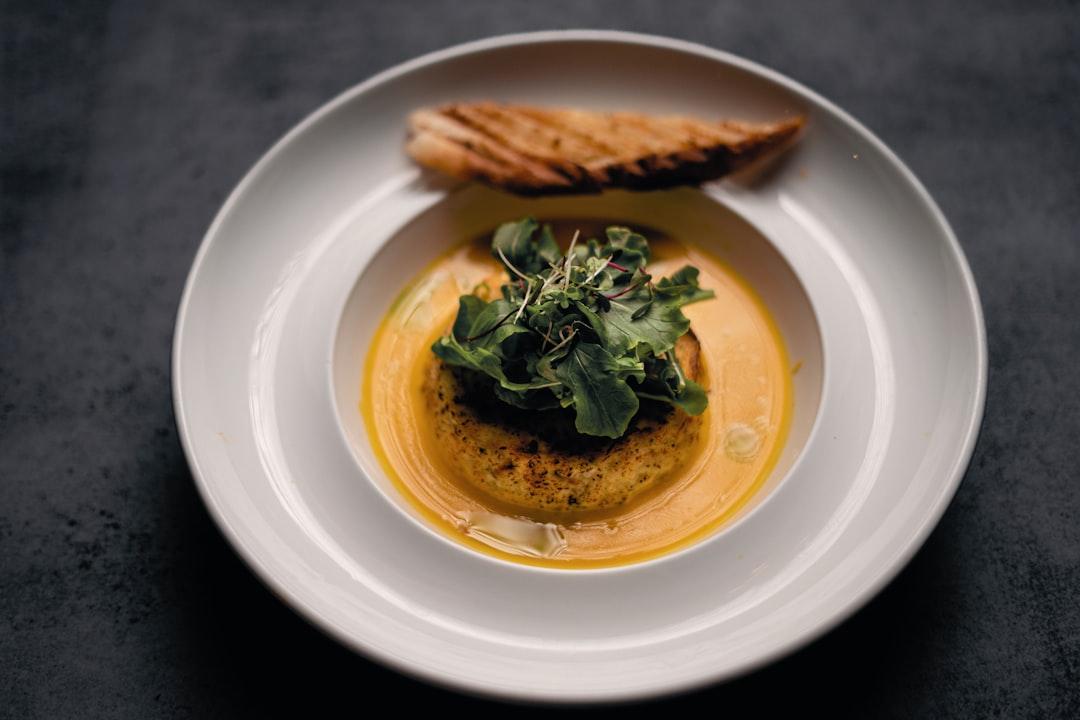
Butternut Squash Bisque with Sage Brown Butter
Silky roasted squash soup finished with a sage brown butter drizzle. Teaches the purée soup method and the liaison technique.