sides · rice
Khao Niao (Thai Sticky Rice)
Thai sticky rice steamed to chewy perfection. The essential base for larb, som tam, and grilled meats.

Nutrition (per serving)
190
Calories
4g
Protein
42g
Carbs
0g
Fat
1g
Fiber
Ingredients
Method
-
Rinse the sticky rice in several changes of cold water until the water runs mostly clear. Place in a large bowl and cover with room-temperature water by at least 2 inches. Soak for a minimum of 4 hours, or overnight in the refrigerator. The rice will absorb water and turn from opaque white to translucent. This hydration step is essential — it allows the rice to cook through with steam alone.
-
Drain the soaked rice thoroughly. Line a steamer basket with a single layer of cheesecloth or muslin, leaving enough overhang to fold over the top. Spread the drained rice in an even layer on the cheesecloth — don't pack it tightly. The steam needs to circulate through the grains.
-
Bring 2-3 inches of water to a boil in the pot below the steamer. The water should not touch the bottom of the steamer basket. Place the steamer over the boiling water and fold the cheesecloth over the top of the rice. Cover with a lid.
-
Steam for 20-25 minutes, then flip the rice. To flip, gather the cheesecloth corners and invert the rice mound so the top becomes the bottom. This ensures even cooking — the rice closest to the steam cooks faster, so flipping equalizes the texture. Steam for another 10-15 minutes.
-
Test for doneness by pressing a grain between your fingers. It should be tender, chewy, and slightly translucent throughout — no hard white core in the center. If any grains are still hard, sprinkle a tablespoon of water over the rice and steam for 5 more minutes.
-
Transfer to a serving basket or bowl and keep covered. Sticky rice dries out quickly when exposed to air. In Thailand, it's traditionally served in small woven bamboo baskets (kratip) that keep it warm and moist. Serve alongside larb, som tam, grilled meats, or any Isaan-style Thai dish. In northeastern Thailand, sticky rice is the staple starch — more common than jasmine rice.
Equipment
- Steamer basket (bamboo or metal) with cheesecloth or muslin Recommended: OXO Good Grips Stainless Steel Steamer
- Medium pot
- Large bowl for soaking
Chef Notes
- The most important thing: Sticky rice must be soaked for at least 4 hours, ideally overnight. Unsoaked sticky rice will be hard and unevenly cooked no matter how long you steam it. The soaking hydrates the grains so they cook through with steam alone.
- Thai sticky rice is NOT the same as sushi rice or regular jasmine rice. It's labeled "glutinous rice" or "sweet rice" — despite the name, it contains no gluten. The "glutinous" refers to its sticky, glue-like texture when cooked.
- Traditional preparation uses a bamboo steamer basket (huad) over a pot. A regular steamer lined with cheesecloth works perfectly.
- Don't boil sticky rice like regular rice. It's steamed, not simmered in water. Boiling turns it into a gummy, unpleasant mass.
- Sticky rice is eaten with your hands in Thailand — pinch off a small ball, press it flat, and use it to scoop up food.
Common Substitutions
| Ingredient | Substitution | Notes |
|---|---|---|
| Thai sticky rice | Japanese mochi rice | Similar stickiness but slightly different flavor |
| Steamer basket | Colander lined with cheesecloth over a pot | Works perfectly — just ensure a tight seal with the lid |
| Cheesecloth | Clean cotton kitchen towel | Must be thin enough for steam to pass through |
What You're Practicing
Steaming sticky rice teaches the fundamentals of steam cooking — using water vapor rather than direct liquid contact to cook food. This gentle, even heat is the same principle behind steamed fish, steamed dumplings, and steamed puddings. Understanding that steam at 212°F cooks more gently than boiling water at the same temperature (because steam transfers heat more slowly) is a key insight for delicate preparations. Visit Techniques for more on steam cooking methods.
The soaking step demonstrates how hydration affects grain cooking. Pre-soaking allows water to penetrate the starch granules slowly, so they gelatinize evenly during cooking. This same principle applies to soaking dried beans, rehydrating dried mushrooms, and blooming gelatin — understanding hydration timing makes you a better cook across the board.
Video Resources
Some equipment and ingredient links are affiliate links. We earn a small commission at no extra cost to you. Learn more
Comments (0)
Sign in to commentNo comments yet. Be the first to share your thoughts.
Frequently Asked Questions
- Can I make Khao Niao (Thai Sticky Rice) ahead of time?
- Yes. overnight in the refrigerator.
- How do I store leftover Khao Niao (Thai Sticky Rice)?
- Store in an airtight container in the refrigerator for 3-4 days. Most sides reheat well in the oven at 350°F for 10-15 minutes.
- Can I freeze Khao Niao (Thai Sticky Rice)?
- Most cooked sides freeze well for 2-3 months. Soups and stews freeze especially well. Avoid freezing dishes with high dairy content — they can separate when thawed.
- How many servings does this recipe make?
- This recipe serves 4. You can scale the ingredients up or down proportionally — use the Meal Plan servings slider to adjust the grocery list automatically.
- Is Khao Niao (Thai Sticky Rice) vegetarian and vegan and gluten free and dairy free?
- Yes — this recipe is vegetarian and vegan and gluten free and dairy free. Check the Common Substitutions section for additional dietary adaptations.
- Is this an authentic Thai recipe?
- This recipe follows traditional Thai techniques and ingredients. The Chef Notes section explains any adaptations for home kitchen accessibility and suggests authentic alternatives where substitutions are made.
- What substitutions can I make for Khao Niao (Thai Sticky Rice)?
- See the Common Substitutions section above for ingredient and equipment swaps with specific trade-off notes for each alternative.
You Might Also Like

Baba Ganoush
Baba ganoush with charred eggplant and tahini — smoky, creamy, and deeply savory.

Baked Sweet Potato Fries
Baked sweet potato fries with a cornstarch coating for crispy edges and sriracha mayo for dipping.

Baked Mac and Cheese (American Classic)
Creamy béchamel-based mac and cheese with sharp cheddar, Gruyère, and a golden panko crust.
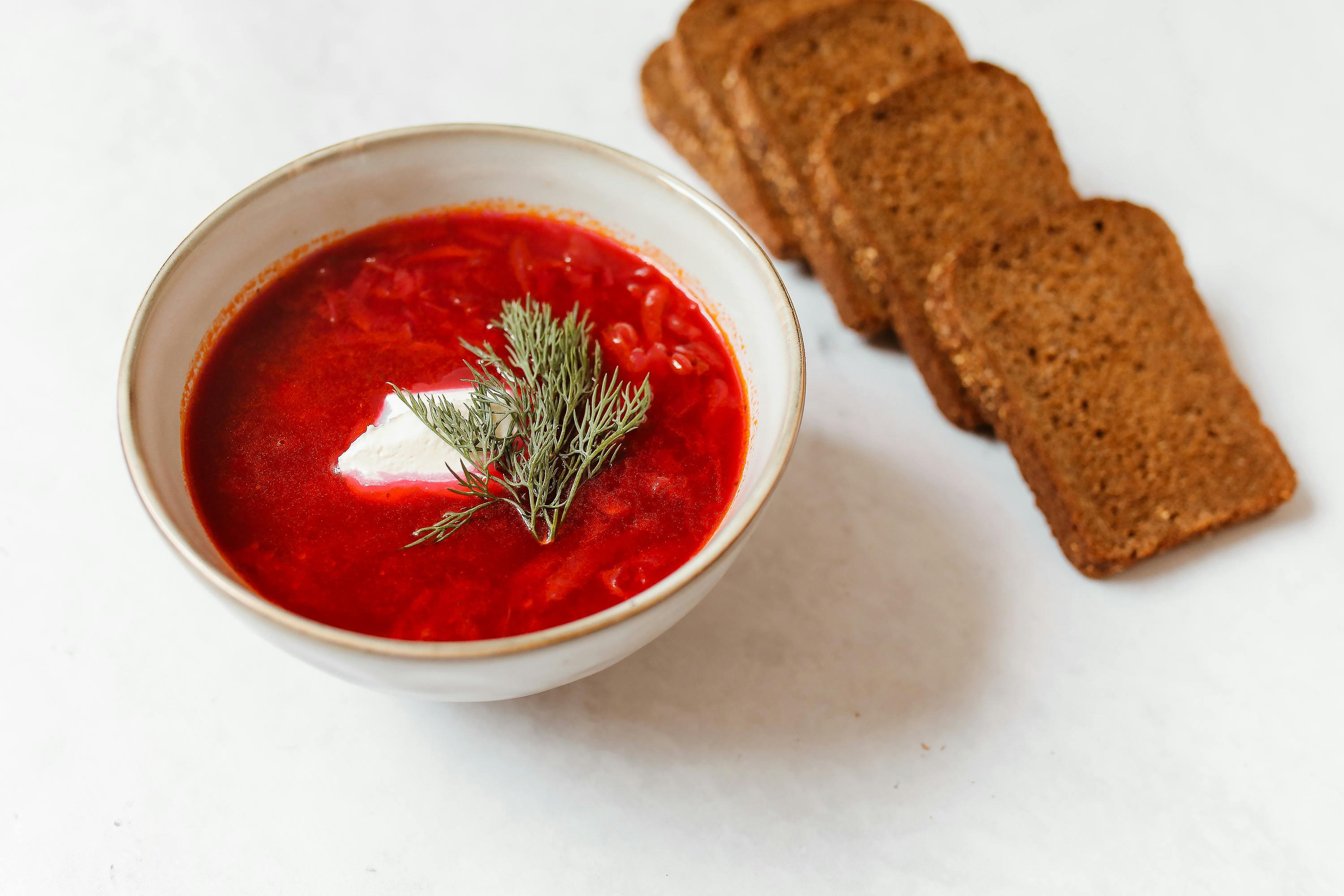
Borscht (Ukrainian Beet Soup)
Ukrainian borscht with beets, cabbage, and a dollop of sour cream. A one-pot comfort soup that feeds a crowd.