sides · potatoes
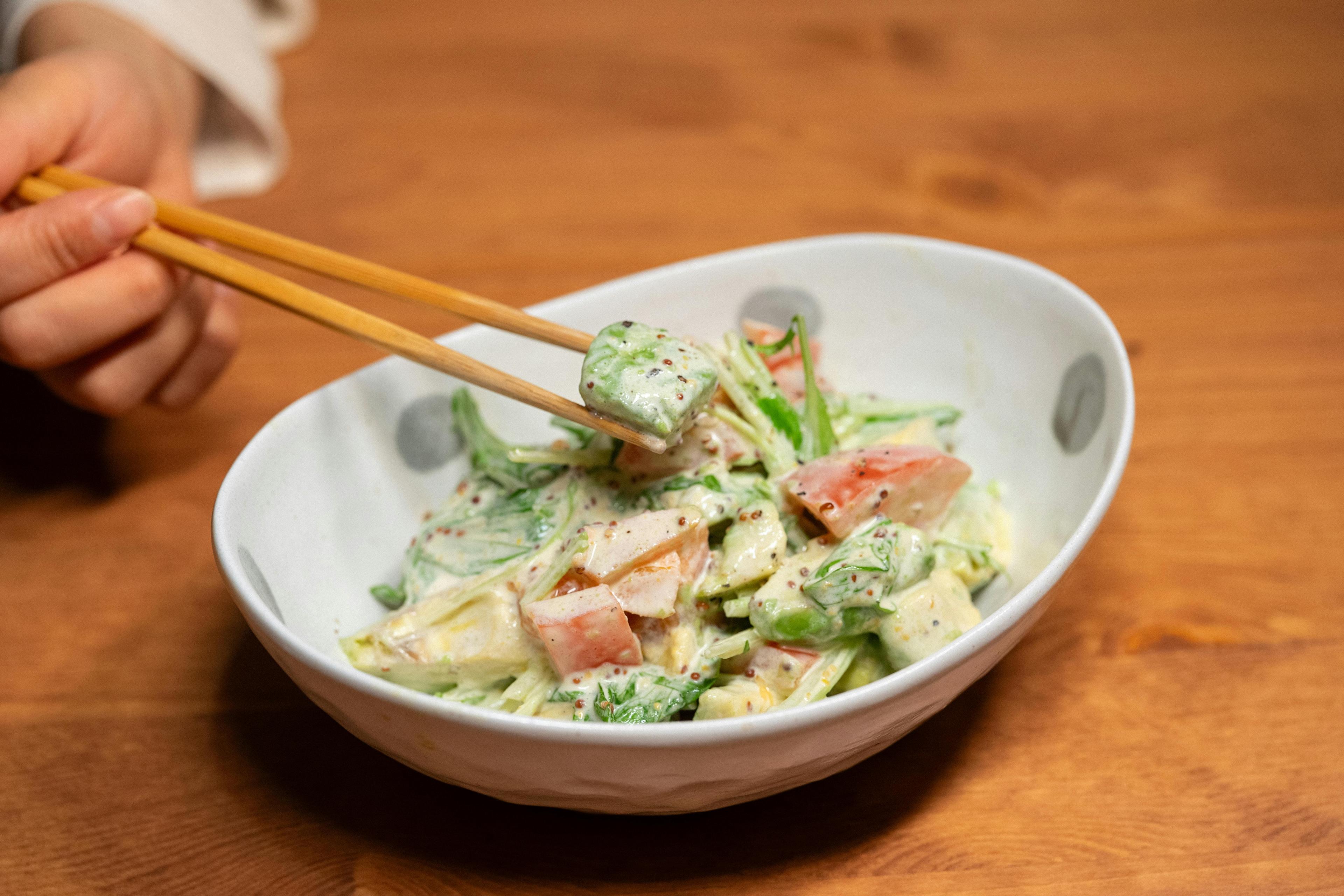
Japanese Potato Salad (Poteto Sarada)
Creamy Japanese potato salad with cucumber, ham, and Kewpie mayo. A konbini classic ready in 25 minutes.
Nutrition (per serving)
245
Calories
6g
Protein
28g
Carbs
12g
Fat
3g
Fiber
Ingredients
Method
-
Boil the potatoes in salted water until fork-tender, about 12-15 minutes. The potatoes should break apart easily when pierced but not be waterlogged. Drain thoroughly and return to the hot pot for 30 seconds to evaporate excess moisture — wet potatoes make a soggy salad.
-
While the potatoes cook, salt the cucumber. Toss the thin cucumber slices with 1/2 tsp salt in a bowl and let sit for 10 minutes. The salt draws out moisture through osmosis. After 10 minutes, squeeze the cucumber slices firmly in your hands to wring out as much water as possible. This step is essential — skip it and the salad turns watery within an hour.
-
Mash the hot potatoes roughly with a fork or masher. You want a mix of smooth and chunky — about 60% mashed, 40% small chunks. While still warm, add the rice vinegar and sugar. Warm potatoes absorb seasoning better than cold ones — this is the same principle behind dressing pasta salad while the pasta is hot.
-
Let the potatoes cool to room temperature, about 10 minutes. Adding mayo to hot potatoes will cause it to separate and become oily. Patience here pays off.
-
Fold in the Kewpie mayo, salt, and white pepper. Then gently fold in the squeezed cucumber, soaked and drained onion, ham strips, blanched carrot, and chopped egg. Mix gently — you want to preserve the chunky texture, not create a paste.
-
Taste and adjust. It should be creamy, slightly tangy from the rice vinegar, with a gentle sweetness. Add more mayo if it seems dry, more vinegar if it needs brightness.
-
Refrigerate for at least 30 minutes before serving. Japanese potato salad is served as a side dish at izakayas, in bento boxes, and at convenience stores across Japan. It pairs beautifully with any Japanese main — teriyaki, tonkatsu, or grilled fish.
Equipment
- Medium saucepan Recommended: Cuisinart Chef's Classic 3-Quart Saucepan
- Potato masher or fork Recommended: OXO Good Grips Stainless Steel Potato Masher
- Mixing bowls Recommended: Vollrath Stainless Steel Mixing Bowls Set
Chef Notes
- The most important thing: Kewpie mayo is non-negotiable. It's made with egg yolks only (no whites), rice vinegar, and MSG — it's richer, tangier, and more umami-forward than American mayo. Available at most Asian grocery stores and Amazon.
- Mash the potatoes while hot but leave them chunky — about 60% mashed, 40% chunks. This dual texture is what makes Japanese potato salad distinct from the American version.
- Salt the cucumber slices and let them sit for 10 minutes, then squeeze out the water. This prevents the salad from getting watery.
- Soak the sliced onion in cold water for 5 minutes to mellow its bite. Drain and squeeze dry.
- This salad is best served slightly chilled, not ice cold. Let it sit at room temperature for 10 minutes after refrigerating.
Common Substitutions
| Ingredient | Substitution | Notes |
|---|---|---|
| Kewpie mayo | Regular mayo + pinch of sugar + dash of rice vinegar | Approximates the flavor but lacks the richness of egg-yolk-only mayo |
| Ham | Imitation crab, corn kernels, or omit | Corn is a popular variation in Japan |
| Yukon Gold | Russet potatoes | Russets are starchier and mash more completely — less chunky texture |
| Rice vinegar | Apple cider vinegar | Slightly fruitier but works well |
What You're Practicing
This recipe teaches the principle of seasoning at the right temperature — adding vinegar to hot potatoes so they absorb it, but waiting for them to cool before adding mayo so it doesn't break. This temperature-awareness applies to any composed salad: pasta salad, grain bowls, bean salads. Visit Techniques for more on building composed dishes.
The cucumber salting technique (drawing out moisture with salt) is a fundamental prep skill used across cuisines — from Greek tzatziki to Korean oi-sobagi to Middle Eastern fattoush. Once you understand osmosis in the kitchen, you'll never serve a watery salad again.
Video Resources
Some equipment and ingredient links are affiliate links. We earn a small commission at no extra cost to you. Learn more
Comments (0)
Sign in to commentNo comments yet. Be the first to share your thoughts.
Frequently Asked Questions
- Can I make Japanese Potato Salad (Poteto Sarada) ahead of time?
- Yes — prep the components up to a day ahead and store covered in the refrigerator. Reheat gently or bring to room temperature before serving.
- How do I store leftover Japanese Potato Salad (Poteto Sarada)?
- Store in an airtight container in the refrigerator for 3-4 days. Most sides reheat well in the oven at 350°F for 10-15 minutes.
- Can I freeze Japanese Potato Salad (Poteto Sarada)?
- Most cooked sides freeze well for 2-3 months. Soups and stews freeze especially well. Avoid freezing dishes with high dairy content — they can separate when thawed.
- How many servings does this recipe make?
- This recipe serves 4. You can scale the ingredients up or down proportionally — use the Meal Plan servings slider to adjust the grocery list automatically.
- Is Japanese Potato Salad (Poteto Sarada) a quick recipe?
- Yes — this recipe is ready in 25 minutes including prep time, making it perfect for busy weeknights.
- Is Japanese Potato Salad (Poteto Sarada) vegetarian?
- Yes — this recipe is vegetarian. Check the Common Substitutions section for additional dietary adaptations.
- Is this an authentic Japanese recipe?
- This recipe follows traditional Japanese techniques and ingredients. The Chef Notes section explains any adaptations for home kitchen accessibility and suggests authentic alternatives where substitutions are made.
- What substitutions can I make for Japanese Potato Salad (Poteto Sarada)?
- See the Common Substitutions section above for ingredient and equipment swaps with specific trade-off notes for each alternative.
You Might Also Like

Baba Ganoush
Baba ganoush with charred eggplant and tahini — smoky, creamy, and deeply savory.

Baked Mac and Cheese (American Classic)
Creamy béchamel-based mac and cheese with sharp cheddar, Gruyère, and a golden panko crust.

Baked Sweet Potato Fries
Baked sweet potato fries with a cornstarch coating for crispy edges and sriracha mayo for dipping.
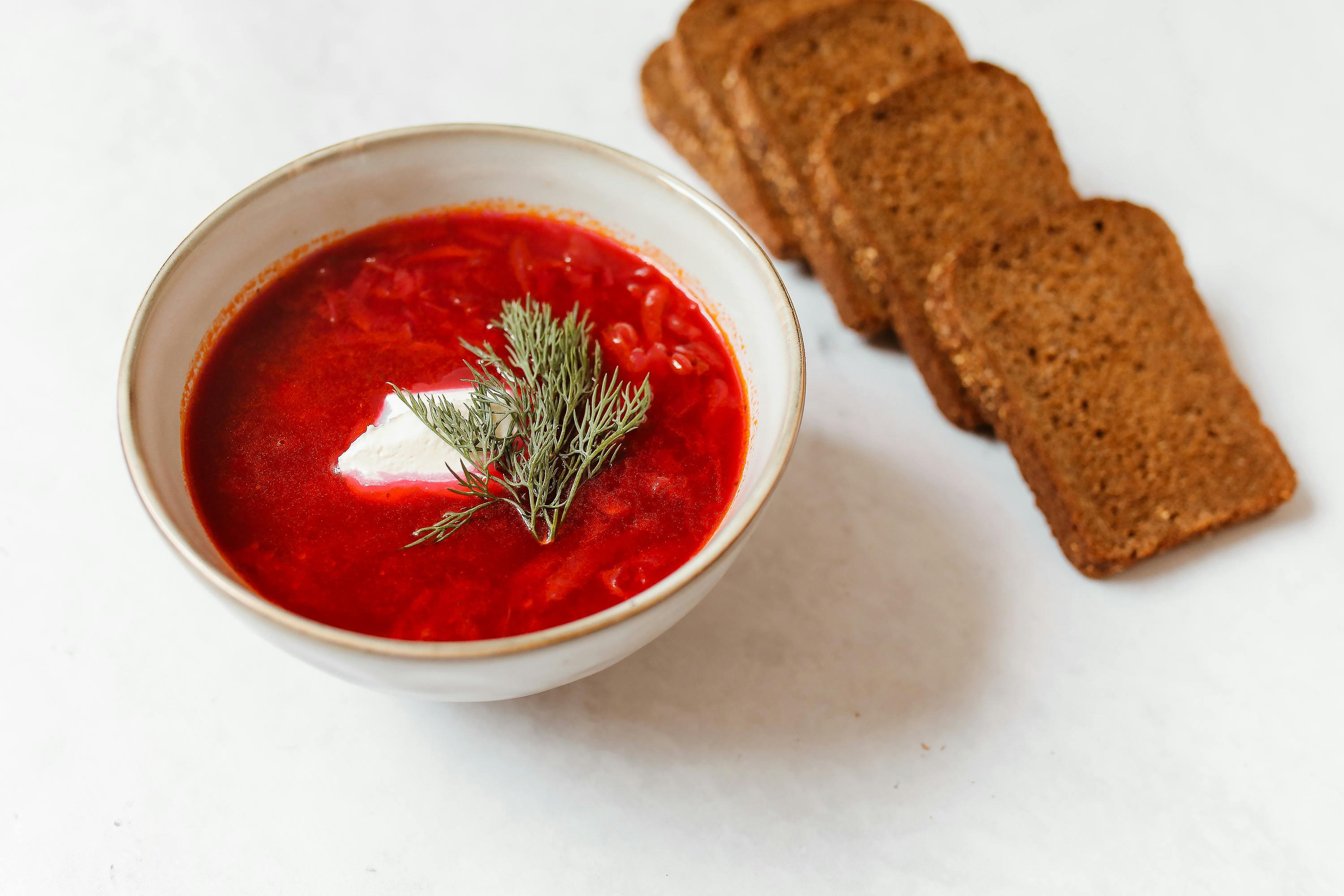
Borscht (Ukrainian Beet Soup)
Ukrainian borscht with beets, cabbage, and a dollop of sour cream. A one-pot comfort soup that feeds a crowd.