foundations
Kaiseki: The Art of the Japanese Tasting Menu
A guide to kaiseki — the multi-course Japanese tasting menu. Learn the structure, philosophy, and how to cook each course at home.
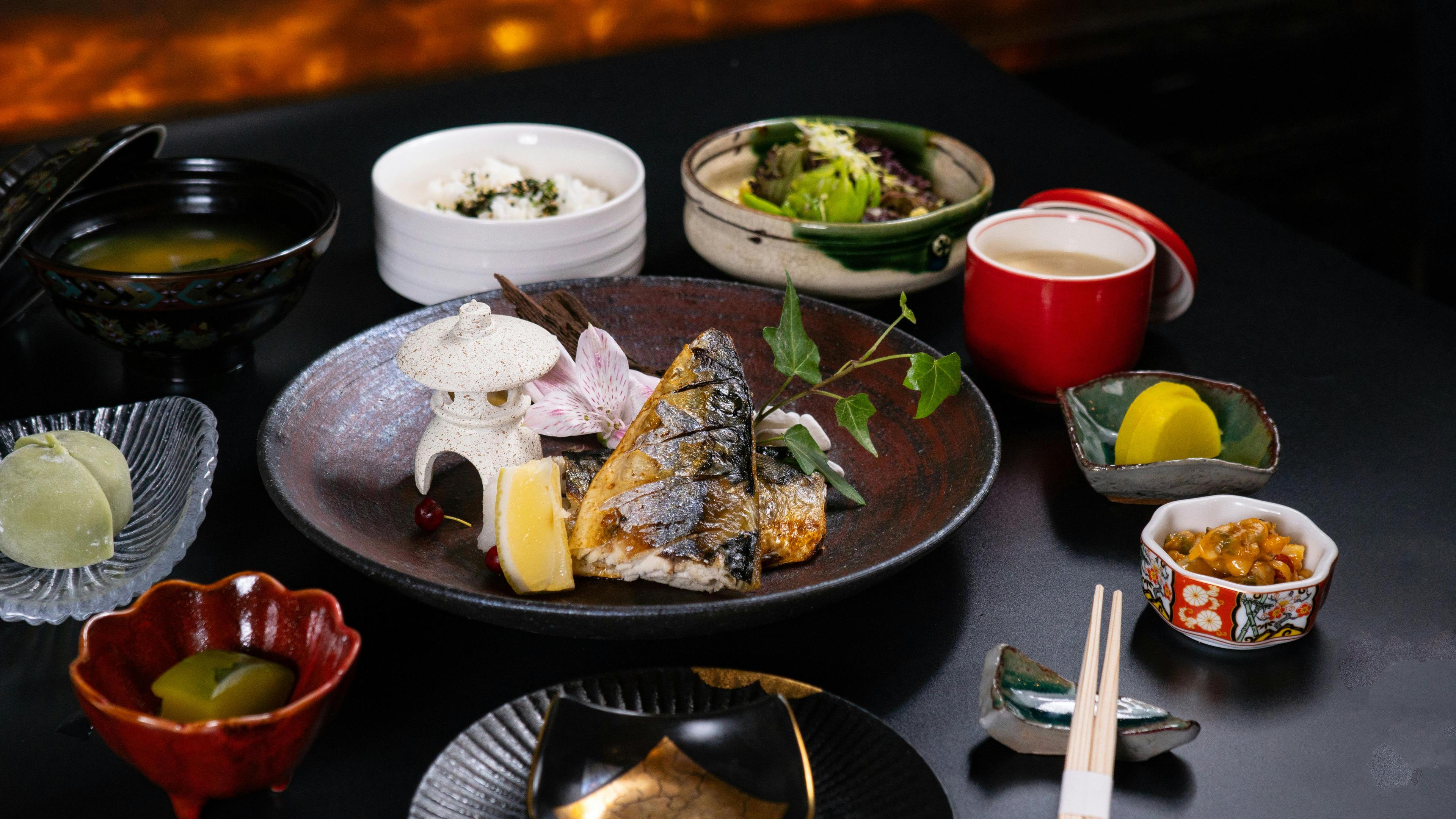
What Is Kaiseki?
Kaiseki (懐石) is the pinnacle of Japanese culinary art — a multi-course tasting menu that originated from Zen Buddhist tea ceremony traditions in the 16th century. The word literally means "warm stone" — monks would hold heated stones against their stomachs to ward off hunger during long meditation sessions. The simple meal served before tea evolved over centuries into one of the world's most refined dining experiences.
A kaiseki meal is not about any single dish being extraordinary. It's about the composition of the whole — the progression of flavors, techniques, and textures across courses, all unified by the season. Every element, from the ingredients to the serving vessels to the garnishes, reflects what's happening in nature at that moment.
The Kaiseki Course Structure
A traditional kaiseki meal follows a prescribed sequence. Each course uses a different cooking technique and serves a specific purpose in the progression:
1. Sakizuke (先付) — Appetizer
A small, seasonal amuse-bouche that sets the tone. Think of it as the opening sentence of a story.
Try at home: Edamame with Sea Salt or Seaweed Salad
2. Hassun (八寸) — Seasonal Platter
A composed plate of small bites that showcases the season's best ingredients — typically one item from the mountains and one from the sea.
Try at home: Tamagoyaki alongside seasonal pickles
3. Mukōzuke (向付) — Sashimi
The raw fish course. This is where the chef's knife skills and sourcing are on full display. Nothing to hide behind — just fish, knife, and plate.
Try at home: Sashimi Platter
4. Takiawase (煮合わせ) — Simmered Dish
Vegetables (and sometimes protein) simmered separately in dashi and composed on a plate. Each ingredient is cooked to its own ideal doneness.
Try at home: Takiawase — Simmered Vegetables in Dashi
5. Futamono (蓋物) — Lidded Dish
A soup or custard served in a lidded bowl. The moment of lifting the lid — releasing the aroma — is part of the experience.
Try at home: Chawanmushi or Miso Soup
6. Yakimono (焼物) — Grilled Course
Typically grilled fish, often served on a cedar plank or ceramic plate. The grill marks and char are intentional — controlled fire is a technique.
Try at home: Yakitori or Miso-Glazed Black Cod
7. Su-zakana (酢肴) — Palate Cleanser
A small, acidic dish that resets the palate between the grilled course and the heavier dishes to come.
Try at home: Sunomono — Japanese Cucumber Salad
8. Shiizakana (強肴) — Hot Pot or Substantial Dish
A heartier course — often a hot pot, braised dish, or tempura. This is the most substantial course before the meal winds down.
Try at home: Nabemono — Japanese Hot Pot or Tempura
9. Gohan (御飯) — Rice, Miso, Pickles
The final savory course. Plain steamed rice, miso soup, and pickles arrive together — a signal that the meal is concluding. The simplicity after the preceding courses is intentional.
Try at home: Ichiju-Sansai — Rice, Miso Soup, and Three Sides
10. Mizumono (水物) — Dessert
A light, seasonal dessert — often fresh fruit, wagashi (Japanese confections), or a simple sweet. Never heavy or rich.
Try at home: Sakura Mochi or seasonal fresh fruit
Kaiseki at Home
You don't need to cook all ten courses to experience kaiseki. The philosophy scales down beautifully:
3-course kaiseki: Sashimi → Grilled fish → Rice and miso
5-course kaiseki: Edamame → Sashimi → Takiawase → Yakitori → Rice, miso, and pickles
Full kaiseki: Follow the complete sequence above, preparing each course in advance where possible (pickles, chawanmushi, and takiawase can all be made ahead).
The key principles to carry into any version:
- Seasonality — use what's at its peak right now
- Variety of technique — raw, simmered, grilled, steamed, pickled
- Restraint — small portions, clean plates, negative space
- Progression — light to rich, simple to complex, then back to simple
The Philosophy Behind Kaiseki
Kaiseki embodies several Japanese aesthetic concepts:
Shun (旬) — eating at the peak of the season. A tomato in August and a tomato in January are not the same ingredient.
Wabi-sabi (侘寂) — finding beauty in imperfection and impermanence. A slightly asymmetric plate, a single fallen leaf as garnish, a crack in a ceramic bowl — these are features, not flaws.
Mono no aware (物の哀れ) — the bittersweet awareness of transience. Cherry blossoms are beautiful because they fall. Kaiseki celebrates ingredients at their peak precisely because that peak is fleeting.
Ma (間) — negative space. What you leave off the plate matters as much as what you put on it.
These concepts aren't just philosophical abstractions — they're practical guides for cooking and plating. A kaiseki chef who puts too much on the plate has failed. A kaiseki meal that ignores the season has missed the point entirely.
Essential Techniques
Kaiseki draws on every major Japanese cooking technique:
- Dashi — the foundation stock. Learn to make ichiban dashi and you can build any kaiseki course.
- Knife work — the single-stroke pull cut for sashimi, decorative cuts for vegetables
- Steaming — gentle heat for chawanmushi and custards
- Grilling — controlled char for yakimono
- Simmering — patient dashi infusion for takiawase
- Pickling — quick and long-term preservation for tsukemono
Visit Techniques for detailed guides on each method.
Comments (0)
Sign in to commentNo comments yet. Be the first to share your thoughts.