vegetables · stewed
Takiawase (Simmered Vegetables in Dashi)
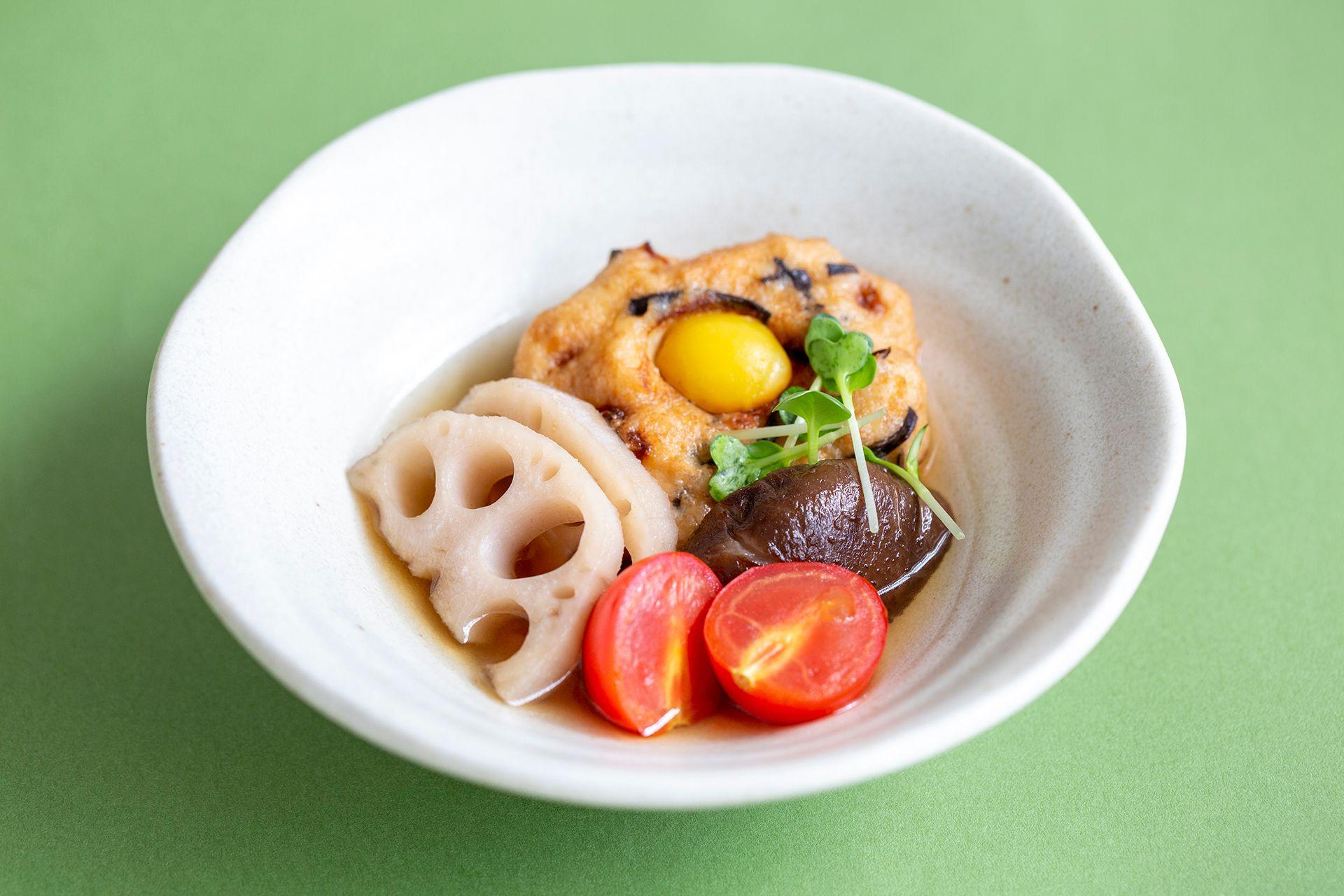
Takiawase — seasonal vegetables simmered separately in dashi and composed on a plate. A kaiseki technique.
Nutrition (per serving)
95
Calories
4g
Protein
14g
Carbs
2g
Fat
4g
Fiber
Ingredients
For the simmering liquid:
For the vegetables (choose 3-4 seasonal items):
Method
-
Prepare the simmering liquid by combining dashi, soy sauce, mirin, and sugar in a saucepan. Bring to a gentle simmer and stir until the sugar dissolves. This is a standard Japanese nimono (simmering) broth — the same base used for simmered fish, tofu, and root vegetables across Japanese home cooking. The ratio (dashi 10 : soy 1 : mirin 1) is the foundation.
-
Simmer each vegetable separately. This is the defining technique of takiawase and the reason it's a kaiseki dish rather than a simple stew. Each vegetable has a different density, cook time, and flavor — simmering them together means some are overcooked while others are underdone. Separate simmering gives you precise control.
-
Start with the densest vegetables. Add the turnips and kabocha to the simmering liquid. Cook for 12-15 minutes until a skewer slides through with no resistance. The dashi penetrates the vegetables slowly, seasoning them from the inside out. Remove with a slotted spoon and set aside.
-
Simmer the carrots for 8-10 minutes until tender. If you've cut them into decorative shapes (a traditional kaiseki touch), the visual presentation is part of the dish's purpose. In kaiseki, the carrot might be cut into a maple leaf shape in autumn or a cherry blossom in spring.
-
Simmer the mushrooms for 5 minutes. Shiitake absorb the dashi beautifully — they become little sponges of umami. Remove and set aside.
-
Blanch the snap peas in the same liquid for just 60 seconds — they should be bright green and still crisp. Overcooking snap peas is the most common mistake. The contrast between the soft, dashi-infused root vegetables and the crisp, bright peas is intentional.
-
Compose the plate. Arrange the simmered vegetables on individual plates with intention — each vegetable placed deliberately, not piled. In kaiseki, takiawase is about showcasing the season through the selection and arrangement of vegetables. Leave negative space on the plate. Spoon a small amount of the simmering liquid around (not over) the vegetables. The dish should look like a still life — composed, balanced, and restrained.
Equipment
- Medium saucepan Recommended: Cuisinart Chef's Classic 3-Quart Saucepan
- Slotted spoon Recommended: Helen's Asian Kitchen Spider Strainer
- Serving plates
Chef Notes
- The most important thing: Cook each vegetable separately. This sounds tedious, but it's the entire technique. A stew throws everything together; takiawase treats each ingredient as an individual that deserves its own attention. The result is vegetables that are each perfectly cooked and evenly seasoned.
- Choose vegetables that represent the current season. Spring: bamboo shoots, snap peas, fava beans. Summer: eggplant, okra, corn. Autumn: kabocha, mushrooms, lotus root. Winter: daikon, turnips, burdock root.
- The simmering liquid can be reused for all the vegetables — it gets richer with each batch as the vegetables release their flavors.
- Decorative knife cuts (kazari-giri) are traditional but optional. Even simple cuts look beautiful when composed with care.
- Takiawase is the fourth course in a kaiseki meal, served after the sashimi. It demonstrates the chef's understanding of seasonality and their respect for each ingredient.
Common Substitutions
| Ingredient | Substitution | Notes |
|---|---|---|
| Dashi stock | Vegetable broth + 1 tsp soy sauce | Loses the specific umami of dashi |
| Kabocha squash | Butternut squash | Similar sweetness, slightly different texture |
| Shiitake | Maitake or king oyster mushrooms | Both absorb broth well |
| Snap peas | Green beans or asparagus tips | Blanch briefly for the same crisp contrast |
What You're Practicing
Takiawase teaches the kaiseki principle of cooking components separately and composing them on the plate — the same philosophy behind Korean banchan, French composed salads, and the Japanese bento box. The discipline of giving each ingredient its own cooking time produces results that a one-pot approach simply cannot match. Visit Stocks for more on dashi-based simmering.
The plating here teaches restraint and intentionality — placing each element with purpose, leaving space, and creating visual balance. These composition skills are the foundation of professional plating in any cuisine. Visit Techniques for more on plating and presentation.
Some equipment and ingredient links are affiliate links. We earn a small commission at no extra cost to you. Learn more
Comments (0)
Sign in to commentNo comments yet. Be the first to share your thoughts.
Frequently Asked Questions
- Can I make Takiawase (Simmered Vegetables in Dashi) ahead of time?
- Yes — prep the components up to a day ahead and store covered in the refrigerator. Reheat gently or bring to room temperature before serving.
- How do I store leftover Takiawase (Simmered Vegetables in Dashi)?
- Store in an airtight container in the refrigerator for 3-4 days. Reheat in a skillet over medium heat to restore texture — microwaving makes vegetables soggy.
- Can I freeze Takiawase (Simmered Vegetables in Dashi)?
- Cooked vegetables can be frozen for up to 3 months, though texture may soften. Roasted vegetables hold up better than steamed or sautéed.
- How many servings does this recipe make?
- This recipe serves 4. You can scale the ingredients up or down proportionally — use the Meal Plan servings slider to adjust the grocery list automatically.
- Is Takiawase (Simmered Vegetables in Dashi) vegetarian and vegan and gluten free and dairy free?
- Yes — this recipe is vegetarian and vegan and gluten free and dairy free. Check the Common Substitutions section for additional dietary adaptations.
- Is this an authentic Japanese recipe?
- This recipe follows traditional Japanese techniques and ingredients. The Chef Notes section explains any adaptations for home kitchen accessibility and suggests authentic alternatives where substitutions are made.
- What substitutions can I make for Takiawase (Simmered Vegetables in Dashi)?
- See the Common Substitutions section above for ingredient and equipment swaps with specific trade-off notes for each alternative.
You Might Also Like

Agurkesalat (Scandinavian Pickled Cucumber Salad)
Scandinavian pickled cucumber salad with dill and white vinegar. A 15-minute Nordic side for salmon and meatballs.

Aloo Gobi (Indian Potato and Cauliflower)
Aloo gobi — North India's beloved dry curry with potatoes, cauliflower, turmeric, and cumin.

Baba Ganoush
Baba ganoush — smoky charred eggplant dip with tahini, lemon, and garlic, served with warm pita.

Callaloo (Caribbean Braised Greens)
Callaloo with coconut milk, scotch bonnet, and garlic. A silky Caribbean braised greens dish in 30 minutes.