sides · rice
Ichiju-Sansai (Rice, Miso Soup, and Three Sides)
Ichiju-sansai — the Japanese meal template of rice, miso soup, and three small sides. The foundation of daily eating.

Nutrition (per serving)
420
Calories
18g
Protein
68g
Carbs
8g
Fat
6g
Fiber
Ingredients
For the rice (gohan):
For the miso soup (ichiju):
Side 1 — Pickles (tsukemono):
Side 2 — Seasoned spinach (ohitashi):
Side 3 — Tamagoyaki or protein of choice
Method
-
Start the rice first — it takes the longest. Rinse the rice in 4-5 changes of cold water until the water runs mostly clear. Combine with water in a saucepan, bring to a boil, reduce to lowest heat, cover, and cook for 13 minutes. Remove from heat and rest, covered, for 10 minutes. This absorption method produces perfect Japanese rice every time. The resting period is when the moisture redistributes evenly.
-
While the rice cooks, make the quick pickles. Toss the cucumber slices with salt and let sit for 5 minutes. Squeeze out the water, then dress with rice vinegar and sugar. These quick pickles (asazuke) are the simplest form of tsukemono — they take 5 minutes and provide the acidic, crunchy contrast that every Japanese meal needs.
-
Prepare the ohitashi (seasoned spinach). Blanch the spinach in boiling water for 30 seconds, then shock in ice water. Squeeze firmly to remove all water — this is critical. Wet spinach dilutes the seasoning. Cut into 2-inch lengths and dress with soy sauce, sesame oil, and sesame seeds. Ohitashi is the most common vegetable preparation in Japanese home cooking.
-
Make the miso soup in the last 5 minutes. Heat the dashi to a gentle simmer, add the tofu and rehydrated wakame, then remove from heat. Dissolve the miso through a strainer into the broth. Never boil miso — it kills the live cultures and destroys the delicate flavor. Add sliced scallion.
-
Compose the tray. In Japanese meal composition, the rice goes on the lower left, the miso soup on the lower right, and the three sides are arranged across the top. This layout (ichiju-sansai) has been the standard Japanese meal structure for over 500 years. The balance of flavors — plain rice (neutral), miso soup (umami), pickles (sour/salty), greens (bitter/savory), and protein (rich) — is intentional and nutritionally complete.
-
Eat in the traditional order — alternate between rice, soup, and sides. Each bite of plain rice is a palate cleanser between the more intensely flavored sides. This alternating rhythm is the Japanese approach to eating — no single flavor dominates, and the meal unfolds as a conversation between components.
Equipment
- Medium saucepan with lid (for rice) Recommended: Cuisinart Chef's Classic 3-Quart Saucepan
- Small saucepan (for miso soup) Recommended: Cuisinart Chef's Classic 3-Quart Saucepan
- Small pot (for blanching spinach)
- Serving tray or individual plates
Chef Notes
- The most important thing: The rice must be perfect. In Japanese cooking, rice is not a side dish — it's the center of the meal. Everything else exists to accompany the rice. Rinse thoroughly, measure water precisely, and don't skip the resting period.
- Ichiju-sansai means "one soup, three sides" — it's the template for daily Japanese eating, from breakfast to dinner. The three sides change with the season, but the structure stays the same.
- The three sides should offer variety in flavor, color, and texture: something pickled (sour), something green (fresh), and something protein-rich (savory). This isn't a rule — it's a principle.
- This is the gohan course in kaiseki — the final savory course before dessert. In a kaiseki meal, the rice, miso, and pickles arrive together as a signal that the meal is concluding.
- Make the sides ahead of time. Ohitashi and pickles keep for 2-3 days in the refrigerator, making this a fast weeknight meal.
Common Substitutions
| Ingredient | Substitution | Notes |
|---|---|---|
| Japanese short-grain rice | Calrose or sushi rice | Both are sticky enough for this purpose |
| Spinach (ohitashi) | Green beans, broccoli, or asparagus | Blanch and dress the same way |
| Quick pickles | Store-bought Japanese pickles (tsukemono) | Available at Asian grocery stores |
| Tamagoyaki | Grilled salmon, tofu, or a fried egg | Any protein works as the third side |
What You're Practicing
Ichiju-sansai teaches the Japanese approach to meal composition — building a complete, balanced meal from small, simple components rather than one large dish. This modular thinking transfers to any cuisine: a Mediterranean mezze spread, a Korean banchan table, or a simple weeknight dinner of protein + starch + vegetable. The principle is universal; the Japanese just formalized it. Visit Stocks for more on dashi and miso soup.
The parallel cooking workflow here — rice on the stove, pickles marinating, spinach blanching, miso assembling — teaches efficient kitchen time management. Having multiple components finishing at the same time is a professional skill that makes home cooking faster and more enjoyable. Visit Techniques for more on kitchen workflow.
Some equipment and ingredient links are affiliate links. We earn a small commission at no extra cost to you. Learn more
Comments (0)
Sign in to commentNo comments yet. Be the first to share your thoughts.
Frequently Asked Questions
- Can I make Ichiju-Sansai (Rice, Miso Soup, and Three Sides) ahead of time?
- Yes. ahead of time.
- How do I store leftover Ichiju-Sansai (Rice, Miso Soup, and Three Sides)?
- Store in an airtight container in the refrigerator for 3-4 days. Most sides reheat well in the oven at 350°F for 10-15 minutes.
- Can I freeze Ichiju-Sansai (Rice, Miso Soup, and Three Sides)?
- Most cooked sides freeze well for 2-3 months. Soups and stews freeze especially well. Avoid freezing dishes with high dairy content — they can separate when thawed.
- How many servings does this recipe make?
- This recipe serves 2. You can scale the ingredients up or down proportionally — use the Meal Plan servings slider to adjust the grocery list automatically.
- Is Ichiju-Sansai (Rice, Miso Soup, and Three Sides) a quick recipe?
- Yes — this recipe is ready in 30 minutes including prep time, making it perfect for busy weeknights.
- Is Ichiju-Sansai (Rice, Miso Soup, and Three Sides) vegetarian and dairy free?
- Yes — this recipe is vegetarian and dairy free. Check the Common Substitutions section for additional dietary adaptations.
- Is this an authentic Japanese recipe?
- This recipe follows traditional Japanese techniques and ingredients. The Chef Notes section explains any adaptations for home kitchen accessibility and suggests authentic alternatives where substitutions are made.
- What substitutions can I make for Ichiju-Sansai (Rice, Miso Soup, and Three Sides)?
- See the Common Substitutions section above for ingredient and equipment swaps with specific trade-off notes for each alternative.
You Might Also Like

Baba Ganoush
Baba ganoush with charred eggplant and tahini — smoky, creamy, and deeply savory.

Baked Sweet Potato Fries
Baked sweet potato fries with a cornstarch coating for crispy edges and sriracha mayo for dipping.

Baked Mac and Cheese (American Classic)
Creamy béchamel-based mac and cheese with sharp cheddar, Gruyère, and a golden panko crust.
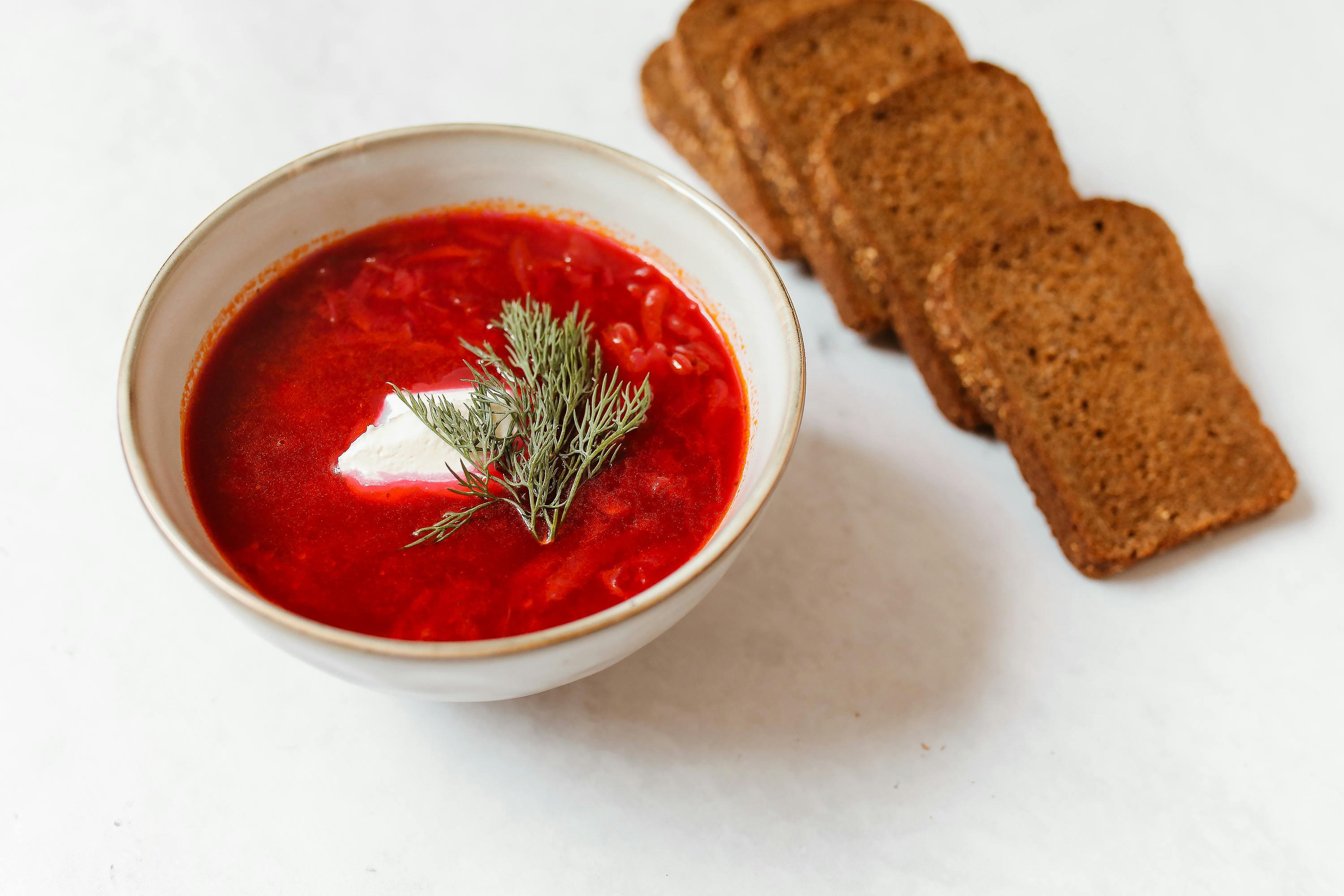
Borscht (Ukrainian Beet Soup)
Ukrainian borscht with beets, cabbage, and a dollop of sour cream. A one-pot comfort soup that feeds a crowd.