sides · appetizer
Fresh Spring Rolls (Goi Cuon)
Fresh spring rolls with shrimp, herbs, and peanut dipping sauce — light, cool, and vibrant.

Nutrition (per serving)
220
Calories
14g
Protein
32g
Carbs
4g
Fat
3g
Fiber
Ingredients
For the rolls:
For the peanut dipping sauce:
Method
-
Prepare all fillings and arrange them within reach — this is an assembly-line operation. Cook and cool the vermicelli, halve the shrimp, wash and dry the herbs, julienne the cucumber. Having everything prepped and organized makes rolling smooth and efficient.
-
Dip one rice paper wrapper in warm water for 2-3 seconds, rotating it to wet the entire surface. Lay it on a damp cutting board. It will still feel stiff — that's correct. It softens in about 30 seconds as you begin filling. Working on a damp surface prevents sticking.
-
Place 2-3 shrimp halves cut-side down in the center of the lower third of the wrapper. The shrimp should be visible through the translucent paper when rolled. Add a small handful of vermicelli, lettuce, bean sprouts, cucumber, and generous amounts of mint, cilantro, and Thai basil.
-
Fold the bottom edge of the wrapper up and over the filling, tucking it tightly under the fillings. Fold both sides inward like an envelope. Then roll forward firmly and evenly until sealed. The roll should be tight enough to hold together but not so tight that the wrapper tears.
-
Place the finished roll seam-side down on a plate and cover with a damp towel. Repeat with remaining wrappers and fillings. Each roll gets easier as you develop a feel for the wrapper's texture and the right amount of filling.
-
Make the dipping sauce by whisking hoisin, peanut butter, sriracha, and warm water until smooth. Garnish with crushed peanuts. Serve the rolls whole or halved on a diagonal — the cross-section reveals the colorful layers of shrimp, herbs, and noodles. The cool, fresh rolls dipped in the rich, sweet-spicy sauce is one of the great textural contrasts in Vietnamese cuisine.
Equipment
- Large shallow dish for soaking rice paper
- Damp cutting board or clean work surface Recommended: John Boos Maple Edge-Grain Cutting Board 18x12
- Damp kitchen towel
- Small bowl for dipping sauce
Chef Notes
- The most important thing: Don't over-soak the rice paper. Dip it in warm water for just 2-3 seconds — it should still feel slightly stiff when you lay it on the work surface. It continues to soften as you fill it. Over-soaked wrappers tear and stick to everything.
- Lay the shrimp halves cut-side down on the wrapper first, so they show through the translucent rice paper. Presentation matters — the pink shrimp visible through the wrapper is what makes these rolls beautiful.
- Roll tightly but don't force it. The wrapper is delicate. Tuck the sides in like a burrito, then roll forward firmly. Practice makes perfect.
- Keep finished rolls under a damp towel to prevent them from drying out and cracking. They're best eaten within 2 hours.
- The herbs are the star, not the shrimp. Use generous handfuls of mint, cilantro, and Thai basil in every roll.
Common Substitutions
| Ingredient | Substitution | Notes |
|---|---|---|
| Shrimp | Scallops or firm tofu | Scallops: sear 2 min/side. Tofu: press, cube, pan-fry until golden. |
| Butter | Ghee or olive oil | Ghee for similar richness. Olive oil for dairy-free. |
| Rice noodles | Glass noodles or thin spaghetti | Glass noodles are lighter. Spaghetti in a pinch. |
| Cilantro | Flat-leaf parsley + squeeze of lime | Parsley lacks the citrus note — lime helps bridge the gap. |
| Fresh basil | Thai basil or dried basil (1 tsp per tbsp fresh) | Thai basil is spicier. Dried works in cooked dishes only. |
What You're Practicing
Fresh spring rolls teach you about building a dish through raw ingredients and textural contrast — no heat required. The technique of wrapping delicate fillings in rice paper is a skill that transfers to summer rolls, lumpia, and any wrapped preparation. Understanding how to balance soft (noodles), crunchy (sprouts, cucumber), and aromatic (herbs) elements creates a complete eating experience. See Techniques for more on composed dishes.
The herb-forward approach — using three different herbs in generous quantities — is central to Vietnamese cooking philosophy. Each herb contributes a distinct flavor: mint is cooling, cilantro is bright, Thai basil is anise-like. Learning to use herbs as primary ingredients rather than garnishes transforms your cooking across all cuisines. See Vinaigrettes for more on herb-based preparations.
Video Resources
Some equipment and ingredient links are affiliate links. We earn a small commission at no extra cost to you. Learn more
Comments (0)
Sign in to commentNo comments yet. Be the first to share your thoughts.
Frequently Asked Questions
- Can I make Fresh Spring Rolls (Goi Cuon) ahead of time?
- Yes — prep the components up to a day ahead and store covered in the refrigerator. Reheat gently or bring to room temperature before serving.
- How do I store leftover Fresh Spring Rolls (Goi Cuon)?
- Store in an airtight container in the refrigerator for 3-4 days. Most sides reheat well in the oven at 350°F for 10-15 minutes.
- Can I freeze Fresh Spring Rolls (Goi Cuon)?
- Most cooked sides freeze well for 2-3 months. Soups and stews freeze especially well. Avoid freezing dishes with high dairy content — they can separate when thawed.
- How many servings does this recipe make?
- This recipe serves 4. You can scale the ingredients up or down proportionally — use the Meal Plan servings slider to adjust the grocery list automatically.
- Is Fresh Spring Rolls (Goi Cuon) a quick recipe?
- Yes — this recipe is ready in 30 minutes including prep time, making it perfect for busy weeknights.
- Is Fresh Spring Rolls (Goi Cuon) gluten free?
- Yes — this recipe is gluten free. Check the Common Substitutions section for additional dietary adaptations.
- Is this an authentic Vietnamese recipe?
- This recipe follows traditional Vietnamese techniques and ingredients. The Chef Notes section explains any adaptations for home kitchen accessibility and suggests authentic alternatives where substitutions are made.
- What substitutions can I make for Fresh Spring Rolls (Goi Cuon)?
- See the Common Substitutions section above for ingredient and equipment swaps with specific trade-off notes for each alternative.
You Might Also Like

Baba Ganoush
Baba ganoush with charred eggplant and tahini — smoky, creamy, and deeply savory.

Baked Sweet Potato Fries
Baked sweet potato fries with a cornstarch coating for crispy edges and sriracha mayo for dipping.
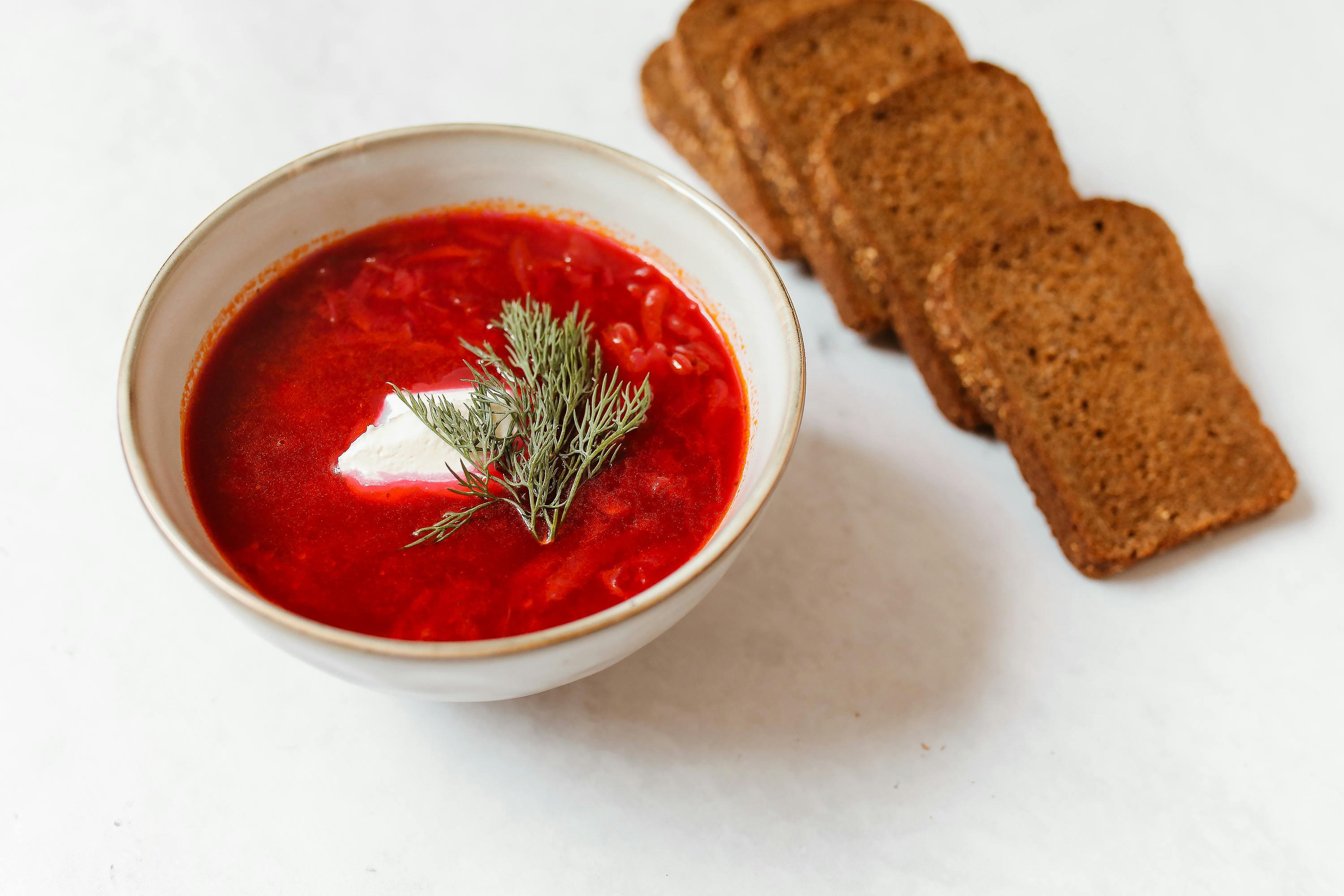
Borscht (Ukrainian Beet Soup)
Ukrainian borscht with beets, cabbage, and a dollop of sour cream. A one-pot comfort soup that feeds a crowd.

Braised Collard Greens
Braised collard greens slow-simmered with bacon, vinegar, and chicken stock until silky tender.