mains · Eggs
French-Style Soft Scrambled Eggs
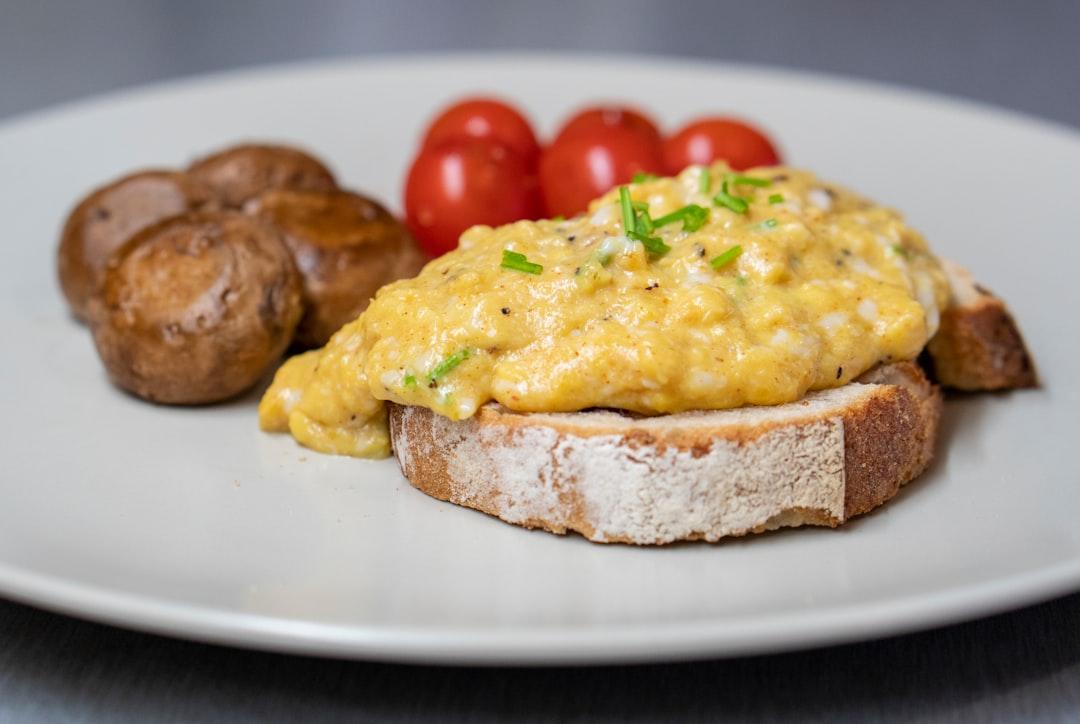
Low and slow scrambled eggs with crème fraîche — small, custard-like curds that melt on the tongue. Gordon Ramsay's signature method.
Nutrition (per serving)
320
Calories
18g
Protein
2g
Carbs
26g
Fat
0g
Fiber
Ingredients
Low and slow scrambled eggs with crème fraîche — small, custard-like curds that melt on the tongue. Gordon Ramsay's signature method.
Method
-
Crack eggs directly into a cold saucepan (not a skillet). Add butter cubes. Do not beat the eggs first.
-
Place the pan over medium-low heat. Using a spatula, stir continuously, scraping the bottom and sides of the pan. The eggs will slowly begin to form small, soft curds.
Stir only when necessary. Constant stirring prevents browning and can break down ingredients that benefit from sustained heat contact.
-
After about 3-4 minutes, the eggs will start to come together. Pull the pan off the heat every 30 seconds and continue stirring — this prevents the bottom from overcooking while the top catches up.
-
Continue the on-heat/off-heat cycle for another 3-4 minutes. The eggs should look slightly underdone and glossy — almost like a loose risotto.
-
Remove from heat completely. Stir in crème fraîche (this stops the cooking and adds richness). Season with salt and pepper.
Season generously — underseasoned food is the most common home cooking mistake. You can always add more at the end, but building seasoning in layers produces deeper flavor than a single pass.
-
Spoon onto buttered toast. Top with chives and flaky salt. Serve immediately — they continue to set on the plate.
Salt early and throughout the cooking process. Salt added at the beginning penetrates the food; salt added at the end sits on the surface. Both are important, but the foundation matters most.
Equipment
- Stainless steel skillet Recommended: Tramontina 12-Inch Tri-Ply Clad Stainless Steel Fry Pan
- Tongs Also good: Wok Spatula
- Cutting board Recommended: John Boos Maple Edge-Grain Cutting Board 18x12
- Mixing bowls Recommended: Vollrath Stainless Steel Mixing Bowls Set
Chef Notes
- The most important thing: Low heat is everything. High heat makes eggs rubbery. Keep the pan at medium-low and stir constantly for the creamiest result.
- Don't overcrowd the pan. Food releases moisture when it cooks — too much food at once drops the temperature and steams instead of sears.
- This comes together in 15 minutes — have everything prepped before you start cooking. Speed is the technique here.
- Taste as you go and adjust seasoning at the end. Salt levels change as liquids reduce and flavors concentrate.
Common Substitutions
| Ingredient | Substitution | Notes |
|---|---|---|
| Butter | Ghee or olive oil | Ghee for similar richness. Olive oil for dairy-free. |
| Sour cream | Greek yogurt | Tangier and higher protein — works well. |
What You're Practicing
Patience and temperature control: This method takes 8-10 minutes for what most people cook in 2. The low heat and constant stirring create curds so small they're almost creamy. Rushing with higher heat produces the rubbery, dry scrambled eggs that give this dish a bad reputation.
The on-off technique: Pulling the pan off the heat is the key to this method. It gives you control over the coagulation rate. On the heat, proteins set. Off the heat, you redistribute the heat evenly and prevent hot spots from overcooking the bottom.
Cold butter in cold pan: Starting with cold butter and cold eggs in a cold pan is unconventional but deliberate. The butter melts slowly as the pan heats, emulsifying into the eggs and creating a richer, more cohesive texture than adding butter to a hot pan.
The crème fraîche finish: Adding cold crème fraîche at the end serves two purposes — it drops the temperature to stop the cooking instantly, and it adds a tangy richness that balances the egg fat. Sour cream works as a substitute.
Some equipment and ingredient links are affiliate links. We earn a small commission at no extra cost to you. Learn more
Comments (0)
Sign in to commentNo comments yet. Be the first to share your thoughts.
Frequently Asked Questions
- Can I make French-Style Soft Scrambled Eggs ahead of time?
- Yes — prep the components up to a day ahead and store covered in the refrigerator. Reheat gently or bring to room temperature before serving.
- How do I store leftover French-Style Soft Scrambled Eggs?
- Store in an airtight container in the refrigerator for 3-4 days. Reheat gently over medium-low heat, adding a splash of broth or water to prevent drying out.
- Can I freeze French-Style Soft Scrambled Eggs?
- Yes — most cooked mains freeze well for up to 3 months. Cool completely, store in freezer-safe containers, and thaw overnight in the refrigerator before reheating.
- How many servings does this recipe make?
- This recipe serves 2. You can scale the ingredients up or down proportionally — use the Meal Plan servings slider to adjust the grocery list automatically.
- Is French-Style Soft Scrambled Eggs a quick recipe?
- Yes — this recipe is ready in 15 minutes including prep time, making it perfect for busy weeknights.
- Is French-Style Soft Scrambled Eggs gluten free and high protein and vegetarian and keto?
- Yes — this recipe is gluten free and high protein and vegetarian and keto. Check the Common Substitutions section for additional dietary adaptations.
- Is this an authentic French recipe?
- This recipe follows traditional French techniques and ingredients. The Chef Notes section explains any adaptations for home kitchen accessibility and suggests authentic alternatives where substitutions are made.
- What substitutions can I make for French-Style Soft Scrambled Eggs?
- See the Common Substitutions section above for ingredient and equipment swaps with specific trade-off notes for each alternative.
You Might Also Like

Ackee and Saltfish
Jamaica''s national dish — creamy ackee fruit sautéed with salted cod.

Asian Chicken Lettuce Wraps
Asian chicken lettuce wraps with savory ground chicken, water chestnuts, and hoisin in butter lettuce.

Argentine Steak with Chimichurri
Grilled ribeye with Argentina's iconic chimichurri — raw herb sauce with red wine vinegar and garlic.

Bacalhau à Brás (Portuguese Salt Cod)
Shredded salt cod with crispy potatoes, scrambled eggs, and olives — Portugal's beloved comfort dish.