mains · Chicken
Honey-Garlic Chicken Stir-Fry
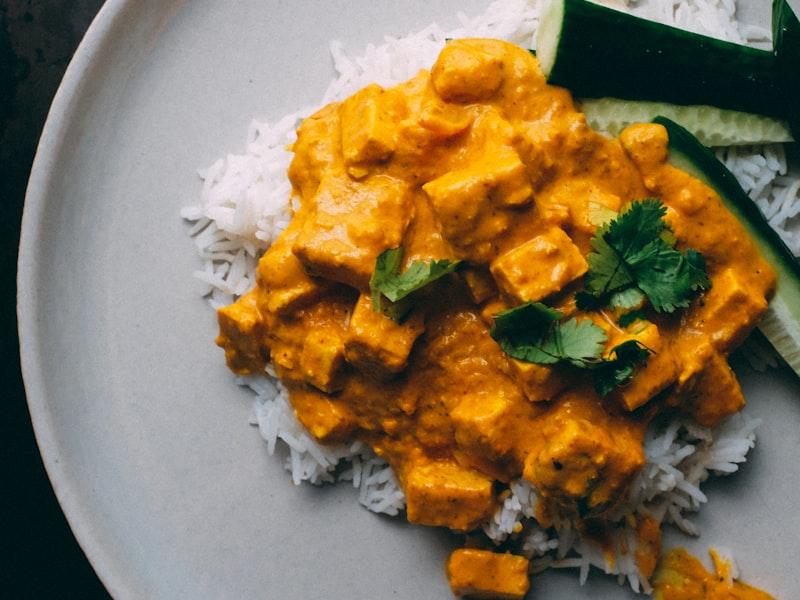
Honey-Garlic Chicken Stir-Fry — a Chinese main dish Ready in 25 minutes. Perfect for weeknight cooking. Quick and easy.
Nutrition (per serving)
380
Calories
35g
Protein
8g
Carbs
22g
Fat
2g
Fiber
Ingredients
For the sauce:
Method
-
Prep the sauce. Whisk honey, soy sauce, rice vinegar, sesame oil, garlic, ginger, red pepper flakes, and cornstarch slurry in a bowl.
Whisk vigorously to incorporate air and create a smooth, emulsified mixture. The motion should come from your wrist, not your whole arm — it's more efficient and less tiring.
-
Coat the chicken. Toss chicken pieces with cornstarch until evenly coated.
Toss gently but thoroughly to coat every piece evenly. The goal is uniform seasoning and sauce distribution without breaking delicate ingredients.
-
Sear the chicken. Heat oil in a wok or large skillet over high heat. Cook chicken in two batches, 3 minutes per side, until golden and crispy. Remove to a plate.
Don't move the food once it hits the hot pan. The Maillard reaction needs sustained contact with high heat to develop a proper crust. If it sticks, it's not ready to flip — it will release naturally when the crust forms.
-
Cook the vegetables. In the same pan, stir-fry broccoli and bell pepper for 3 minutes until crisp-tender.
Stir only when necessary. Constant stirring prevents browning and can break down ingredients that benefit from sustained heat contact.
-
Combine and sauce. Return chicken to the pan. Pour the sauce over everything. Toss for 1–2 minutes until the sauce thickens into a glossy glaze and coats every piece.
Toss gently but thoroughly to coat every piece evenly. The goal is uniform seasoning and sauce distribution without breaking delicate ingredients.
-
Serve over rice with scallions and sesame seeds.
Equipment
- Large skillet or wok Recommended: Joyce Chen 14-Inch Carbon Steel Wok
- Small bowl (for sauce)
Chef Notes
- The most important thing: Toss the chicken in cornstarch before cooking. The starch creates a thin, crispy coating that caramelizes in the hot pan and helps the sauce cling to every piece. Without it, the sauce slides off and pools at the bottom.
- Cook the chicken in batches — don't crowd the pan. Crowding drops the temperature and the chicken steams instead of searing. You want golden, crispy edges.
- The honey caramelizes quickly — add the sauce and toss fast. If the honey burns, it turns bitter. Keep everything moving once the sauce hits the pan.
- Mix the sauce ingredients before you start cooking. This is a fast dish — you won't have time to measure while the wok is hot.
- The cornstarch slurry at the end thickens the sauce into a glossy glaze. Add it last and toss for 30 seconds — it thickens almost instantly.
Common Substitutions
| Ingredient | Substitution | Notes |
|---|---|---|
| Chicken thighs | Shrimp or tofu | Adjust cook time |
| Honey | Maple syrup or brown sugar | Different sweetness profile |
| Soy sauce | Tamari | Gluten-free |
| Broccoli | Snap peas, green beans, or bok choy | Any quick-cooking vegetable |
| Rice vinegar | Apple cider vinegar | Slightly different tang |
What You're Practicing
Honey garlic chicken stir-fry teaches you the cornstarch-coat-and-sear technique — creating a crispy exterior on protein that holds sauce. This is the foundation of Chinese-American stir-fry cooking: General Tso's, orange chicken, and kung pao all use this method. Visit Techniques for more on starch coatings.
You're also learning sauce glazing — reducing a sweet-savory sauce until it coats protein in a glossy, sticky layer. This technique is used in teriyaki, Korean BBQ, and honey-glazed preparations. Explore more at Techniques.
Video Resources
Some equipment and ingredient links are affiliate links. We earn a small commission at no extra cost to you. Learn more
Comments (0)
Sign in to commentNo comments yet. Be the first to share your thoughts.
Frequently Asked Questions
- Can I make Honey-Garlic Chicken Stir-Fry ahead of time?
- Yes — prep the components up to a day ahead and store covered in the refrigerator. Reheat gently or bring to room temperature before serving.
- How do I store leftover Honey-Garlic Chicken Stir-Fry?
- Store in an airtight container in the refrigerator for 3-4 days. Reheat gently over medium-low heat, adding a splash of broth or water to prevent drying out.
- Can I freeze Honey-Garlic Chicken Stir-Fry?
- Yes — most cooked mains freeze well for up to 3 months. Cool completely, store in freezer-safe containers, and thaw overnight in the refrigerator before reheating.
- How many servings does this recipe make?
- This recipe serves 4. You can scale the ingredients up or down proportionally — use the Meal Plan servings slider to adjust the grocery list automatically.
- Is Honey-Garlic Chicken Stir-Fry a quick recipe?
- Yes — this recipe is ready in 25 minutes including prep time, making it perfect for busy weeknights.
- Is Honey-Garlic Chicken Stir-Fry dairy free and high protein and keto?
- Yes — this recipe is dairy free and high protein and keto. Check the Common Substitutions section for additional dietary adaptations.
- Is this an authentic Chinese recipe?
- This recipe follows traditional Chinese techniques and ingredients. The Chef Notes section explains any adaptations for home kitchen accessibility and suggests authentic alternatives where substitutions are made.
- What substitutions can I make for Honey-Garlic Chicken Stir-Fry?
- See the Common Substitutions section above for ingredient and equipment swaps with specific trade-off notes for each alternative.
You Might Also Like

Ackee and Saltfish
Jamaica''s national dish — creamy ackee fruit sautéed with salted cod.

Asian Chicken Lettuce Wraps
Asian chicken lettuce wraps with savory ground chicken, water chestnuts, and hoisin in butter lettuce.

Argentine Steak with Chimichurri
Grilled ribeye with Argentina's iconic chimichurri — raw herb sauce with red wine vinegar and garlic.

Bacalhau à Brás (Portuguese Salt Cod)
Shredded salt cod with crispy potatoes, scrambled eggs, and olives — Portugal's beloved comfort dish.