mains · Chicken
Chicken Marsala
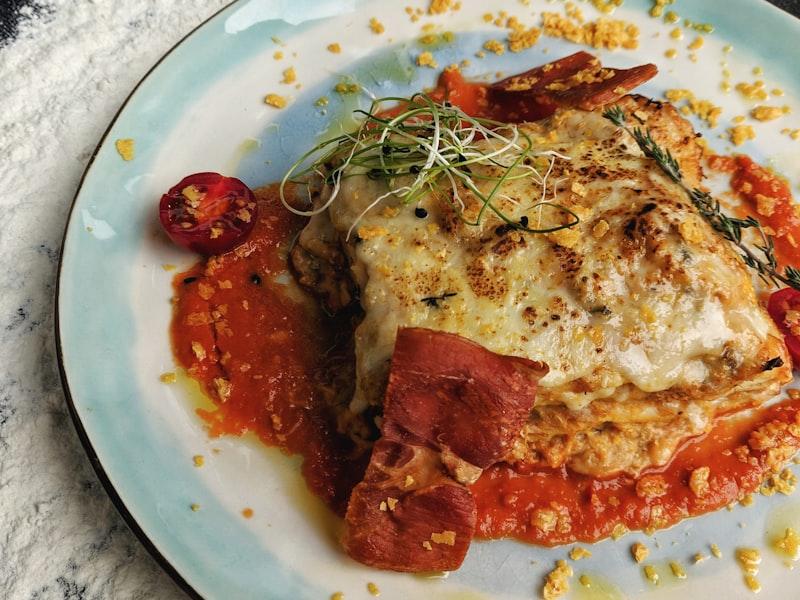
Chicken Marsala — an Italian main dish Ready in 45 minutes.
Nutrition (per serving)
380
Calories
35g
Protein
8g
Carbs
22g
Fat
2g
Fiber
Ingredients
Method
-
Pound the chicken between plastic wrap to 1/2-inch thickness. Season with salt and pepper. Dredge in flour, shaking off excess.
Season generously — underseasoned food is the most common home cooking mistake. You can always add more at the end, but building seasoning in layers produces deeper flavor than a single pass.
-
Sear the chicken in olive oil and 1 tablespoon butter over medium-high heat. Cook for 3 minutes per side until golden. Remove to a plate.
Don't move the food once it hits the hot pan. The Maillard reaction needs sustained contact with high heat to develop a proper crust. If it sticks, it's not ready to flip — it will release naturally when the crust forms.
-
Brown the mushrooms. Add 1 tablespoon butter to the pan. Add mushrooms in a single layer. Don't stir for 3 minutes — let them develop a golden crust. Then stir and cook 2 more minutes until browned all over. Add garlic, cook 30 seconds.
-
Deglaze with Marsala. Pour in the wine and scrape up all the fond. Let it reduce by half — about 2 minutes. The alcohol cooks off and the wine concentrates.
The brown bits stuck to the bottom of the pan (fond) are concentrated flavor. Deglazing with liquid dissolves them into the sauce — this is where restaurant-quality flavor comes from.
-
Add broth and simmer for 3 minutes until the sauce thickens slightly. Swirl in the remaining tablespoon of cold butter for gloss.
A simmer means small bubbles gently breaking the surface — not a rolling boil. Aggressive boiling toughens proteins and causes sauces to reduce too quickly, concentrating flavors unevenly.
-
Return the chicken to the pan. Spoon the mushroom sauce over the top. Simmer for 1 minute to reheat. Garnish with parsley.
A simmer means small bubbles gently breaking the surface — not a rolling boil. Aggressive boiling toughens proteins and causes sauces to reduce too quickly, concentrating flavors unevenly.
Equipment
- Large stainless steel skillet Recommended: Tramontina 12-Inch Tri-Ply Clad Stainless Steel Fry Pan
- Meat mallet or heavy pan Recommended: OXO Good Grips Meat Tenderizer
- Tongs Also good: Wok Spatula
Chef Notes
- The most important thing: Use dry Marsala wine, not sweet Marsala. Sweet Marsala makes the sauce cloying and one-dimensional. Dry Marsala has a complex, nutty flavor that reduces into a rich, savory sauce. Look for "secco" on the label.
- Pound the chicken to even thickness. Like piccata, this ensures fast, even cooking — 3 minutes per side. Uneven chicken overcooks on the thin side.
- Brown the mushrooms properly — don't stir them for the first 3 minutes. Mushrooms are 90% water. If you stir immediately, they release water and steam instead of browning. Let them sit until golden on one side, then stir.
- The Marsala will flame if it hits a gas burner — this is fine and burns off the alcohol. If you're nervous, pull the pan off heat before adding the wine.
- This is chicken piccata's richer, earthier cousin. Same technique (dredge → sear → pan sauce), different flavor profile.
Common Substitutions
| Ingredient | Substitution | Notes |
|---|---|---|
| Dry Marsala | Dry sherry or Madeira | Similar fortified wine character |
| Cremini mushrooms | Mixed wild mushrooms | More complex — porcini, shiitake, oyster |
| Chicken breast | Veal cutlets | Traditional Italian version |
| Flour dredge | No dredge | Less crust, thinner sauce |
| Chicken broth | Beef broth | Richer, darker sauce |
What You're Practicing
Chicken marsala teaches you the complete pan sauce workflow with mushrooms — sear protein, brown mushrooms, deglaze with fortified wine, reduce, mount with butter. This is the same technique used for steak Diane, veal scallopini, and pork medallions. Visit Pan and Daughter Sauces for the full technique.
You're also learning proper mushroom browning — using high heat and patience to drive off water before the Maillard reaction can begin. This technique transforms bland, spongy mushrooms into deeply savory, meaty bites. Explore more at Techniques.
Video Resources
Some equipment and ingredient links are affiliate links. We earn a small commission at no extra cost to you. Learn more
Comments (0)
Sign in to commentNo comments yet. Be the first to share your thoughts.
Frequently Asked Questions
- Can I make Chicken Marsala ahead of time?
- Yes — prep the components up to a day ahead and store covered in the refrigerator. Reheat gently or bring to room temperature before serving.
- How do I store leftover Chicken Marsala?
- Store in an airtight container in the refrigerator for 3-4 days. Reheat gently over medium-low heat, adding a splash of broth or water to prevent drying out.
- Can I freeze Chicken Marsala?
- Yes — most cooked mains freeze well for up to 3 months. Cool completely, store in freezer-safe containers, and thaw overnight in the refrigerator before reheating.
- How many servings does this recipe make?
- This recipe serves 4. You can scale the ingredients up or down proportionally — use the Meal Plan servings slider to adjust the grocery list automatically.
- Is Chicken Marsala high protein and keto?
- Yes — this recipe is high protein and keto. Check the Common Substitutions section for additional dietary adaptations.
- Is this an authentic Italian recipe?
- This recipe follows traditional Italian techniques and ingredients. The Chef Notes section explains any adaptations for home kitchen accessibility and suggests authentic alternatives where substitutions are made.
- What substitutions can I make for Chicken Marsala?
- See the Common Substitutions section above for ingredient and equipment swaps with specific trade-off notes for each alternative.
You Might Also Like

Ackee and Saltfish
Jamaica''s national dish — creamy ackee fruit sautéed with salted cod.

Asian Chicken Lettuce Wraps
Asian chicken lettuce wraps with savory ground chicken, water chestnuts, and hoisin in butter lettuce.

Bacalhau à Brás (Portuguese Salt Cod)
Shredded salt cod with crispy potatoes, scrambled eggs, and olives — Portugal's beloved comfort dish.

Argentinian Churrasco
Argentinian churrasco — thick-cut grilled steak with chimichurri. Simple fire, great beef, nothing else.