mains · Salmon
Cedar-Plank Salmon with Maple Glaze
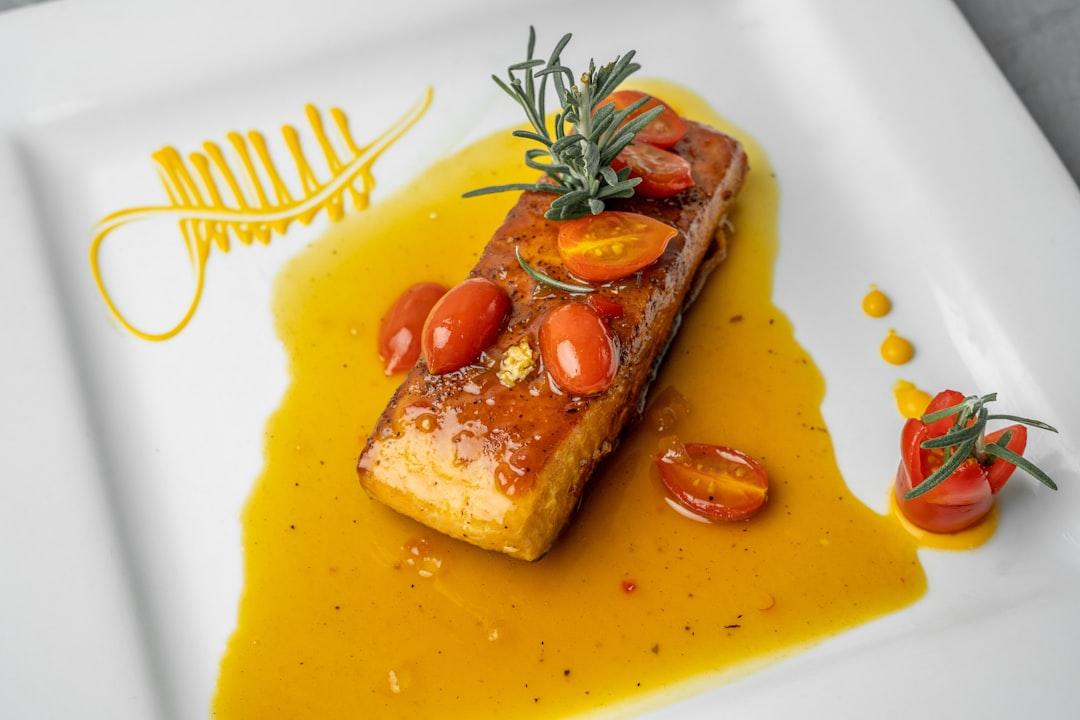
Salmon roasted on a smoldering cedar plank — the wood smokes and infuses the fish with aromatic cedar flavor while protecting it from direct heat.
Nutrition (per serving)
380
Calories
34g
Protein
12g
Carbs
22g
Fat
0g
Fiber
Ingredients
Salmon roasted on a smoldering cedar plank — the wood smokes and infuses the fish with aromatic cedar flavor while protecting it from direct heat.
Method
-
Soak the cedar plank in water for at least 1 hour (weigh it down so it stays submerged). This prevents it from catching fire on the grill.
Clean and oil the grates before cooking. A clean, oiled grate prevents sticking and creates those distinctive grill marks that signal proper heat contact.
-
Whisk together maple syrup, soy sauce, mustard, garlic, and smoked paprika. This is the glaze.
Whisk vigorously to incorporate air and create a smooth, emulsified mixture. The motion should come from your wrist, not your whole arm — it's more efficient and less tiring.
-
Preheat grill to medium-high (400°F). Place the soaked plank on the grill and close the lid for 3 minutes until the plank starts to smoke and crackle.
A properly preheated pan is non-negotiable. If the oil doesn't shimmer and a drop of water doesn't sizzle on contact, the pan isn't ready. Cold pans cause sticking and prevent browning.
-
Place salmon skin-side down on the plank. Brush generously with the maple glaze. Close the lid.
-
Grill for 12-15 minutes without flipping. Brush with more glaze halfway through. The salmon is done when it flakes easily and reaches 130-135°F internal.
Flip only once. Every time you flip, you restart the browning process on that side. One flip gives you the deepest, most even crust.
-
Carefully remove the plank (with salmon on it) from the grill. The plank becomes your serving board. Garnish with dill and lemon wedges.
Clean and oil the grates before cooking. A clean, oiled grate prevents sticking and creates those distinctive grill marks that signal proper heat contact.
Equipment
- Grill or grill pan Recommended: Lodge Pre-Seasoned Cast Iron Grill Pan
- Kitchen scale Recommended: Escali Primo Digital Kitchen Scale
- Whisk Recommended: OXO Good Grips 11-Inch Balloon Whisk
Chef Notes
- The most important thing: Pull at 120°F for medium (translucent center) or 130°F for medium-well. Salmon continues cooking after leaving the heat.
- Clean and oil the grates before cooking. A dirty grate causes sticking. Use a paper towel dipped in oil, held with tongs.
- Taste as you go and adjust seasoning at the end. Salt levels change as liquids reduce and flavors concentrate.
- If you're unsure about doneness, use an instant-read thermometer. It removes all guesswork and costs less than one ruined dinner.
Common Substitutions
| Ingredient | Substitution | Notes |
|---|---|---|
| Salmon | Trout, arctic char, or steelhead | All are fatty fish with similar cook times. |
| Soy sauce | Tamari or coconut aminos | Tamari is gluten-free. Coconut aminos are lower sodium. |
| Grill | Cast iron skillet + broiler | Sear in skillet, finish under broiler for char. |
What You're Practicing
Plank cooking: The cedar plank serves as both a cooking vessel and a smoke source. As the bottom of the plank smolders, it produces aromatic smoke that infuses the salmon from below. The plank also insulates the fish from direct heat, making it nearly impossible to overcook — the fish cooks gently in the smoke rather than over flame.
Glazing technique: The maple-soy-mustard glaze caramelizes in the heat, creating a lacquered surface. Brushing it on halfway through (rather than at the start) prevents it from burning before the fish is cooked. The sugar in maple syrup browns quickly — watch for charring.
Wood smoke pairing: Cedar is the classic pairing for salmon because its resinous, aromatic smoke complements the fish's natural oils. Other planks work too — alder (milder, Pacific Northwest tradition), maple (sweet, subtle), and cherry (fruity). Never use treated lumber or softwoods like pine — they contain toxic resins.
Some equipment and ingredient links are affiliate links. We earn a small commission at no extra cost to you. Learn more
Comments (0)
Sign in to commentNo comments yet. Be the first to share your thoughts.
Frequently Asked Questions
- Can I make Cedar-Plank Salmon with Maple Glaze ahead of time?
- Yes — prep the components up to a day ahead and store covered in the refrigerator. Reheat gently or bring to room temperature before serving.
- How do I store leftover Cedar-Plank Salmon with Maple Glaze?
- Store in an airtight container in the refrigerator for 3-4 days. Reheat gently over medium-low heat, adding a splash of broth or water to prevent drying out.
- Can I freeze Cedar-Plank Salmon with Maple Glaze?
- Yes — most cooked mains freeze well for up to 3 months. Cool completely, store in freezer-safe containers, and thaw overnight in the refrigerator before reheating.
- How many servings does this recipe make?
- This recipe serves 4. You can scale the ingredients up or down proportionally — use the Meal Plan servings slider to adjust the grocery list automatically.
- Is Cedar-Plank Salmon with Maple Glaze dairy free and gluten free and high protein and keto?
- Yes — this recipe is dairy free and gluten free and high protein and keto. Check the Common Substitutions section for additional dietary adaptations.
- What substitutions can I make for Cedar-Plank Salmon with Maple Glaze?
- See the Common Substitutions section above for ingredient and equipment swaps with specific trade-off notes for each alternative.
You Might Also Like

Ackee and Saltfish
Jamaica''s national dish — creamy ackee fruit sautéed with salted cod.

Bacalhau à Brás (Portuguese Salt Cod)
Shredded salt cod with crispy potatoes, scrambled eggs, and olives — Portugal's beloved comfort dish.

Argentinian Churrasco
Argentinian churrasco — thick-cut grilled steak with chimichurri. Simple fire, great beef, nothing else.

Argentine Steak with Chimichurri
Grilled ribeye with Argentina's iconic chimichurri — raw herb sauce with red wine vinegar and garlic.