breads · bread
Salvadoran Pupusas
Salvadoran pupusas — thick corn cakes stuffed with cheese and beans, griddled until golden and gooey.

Nutrition (per serving)
280
Calories
12g
Protein
34g
Carbs
12g
Fat
4g
Fiber
Ingredients
For the curtido (pickled cabbage slaw):
For serving:
Method
-
Make the curtido first — combine shredded cabbage, carrot, and onion in a bowl. Heat the vinegar with oregano and salt until warm, pour over the vegetables, and toss. Cover and refrigerate for at least 1 hour. The curtido is to pupusas what kimchi is to Korean food — a fermented, tangy counterpoint that makes everything better.
-
Mix the masa harina, salt, and warm water in a large bowl. Knead for 2-3 minutes until the dough is smooth, soft, and doesn't crack when pressed. Let it rest for 5 minutes — the masa continues to hydrate. The dough should feel like soft clay: pliable, not sticky, not dry.
-
Prepare the filling by mixing shredded cheese and refried beans together. The combination of melty cheese and creamy beans is the classic revuelta filling. You can also use just cheese (pupusa de queso) or add chicharrón (fried pork) for a meatier version.
-
Form the pupusas — take a golf-ball-sized piece of dough and flatten it into a disc in your palm. Place about 1 tablespoon of filling in the center. Fold the edges up and over the filling, pinching to seal, then gently flatten between your palms into a disc about 1/2-inch thick. The filling should be completely enclosed with no cracks or thin spots.
-
Cook on a lightly oiled griddle over medium heat for 3-4 minutes per side until golden brown spots appear and the pupusa puffs slightly. The cheese inside should be melted and gooey. Press gently with a spatula — if it springs back, it's done. Don't press too hard or the filling squirts out.
-
Serve immediately with curtido piled on top and salsa roja on the side. Eat with your hands — tear off a piece of pupusa, top it with curtido, and dip in salsa. The combination of the warm, cheesy corn cake with the cold, tangy slaw is one of Central America's greatest culinary achievements.
Equipment
- Large mixing bowl Recommended: Vollrath 13-Quart Stainless Steel Mixing Bowl
- Comal, griddle, or non-stick skillet Also good: Victoria Cast Iron Griddle
- Plastic wrap or zip-lock bag (for pressing)
- Spatula Recommended: GIR Ultimate Silicone Spatula
Chef Notes
- The most important thing: The dough should be smooth and pliable, like Play-Doh. If it cracks when you flatten it, add water 1 tablespoon at a time. If it sticks, add a bit more masa harina. The hydration is everything.
- Make the curtido at least 1 hour before serving — overnight is even better. The vinegar-pickled cabbage is the essential accompaniment, providing acidity and crunch that cuts through the rich, cheesy pupusa.
- Don't overfill. Too much filling makes the dough tear and the cheese leaks out during cooking. About 1 tablespoon of each filling per pupusa is the sweet spot.
- Cook on medium heat — pupusas need time to develop a golden crust while the cheese melts inside. High heat burns the outside before the filling is hot.
- Pupusas are El Salvador's national dish, declared a national cultural heritage. Every Salvadoran town has pupuserías where they're made fresh on a comal all day long.
Common Substitutions
| Ingredient | Substitution | Notes |
|---|---|---|
| Mozzarella | Provolone or vegan mozzarella | Provolone melts well with more flavor. |
| Flour tortillas | Corn tortillas or lettuce wraps | Corn is gluten-free. Lettuce for low-carb. |
What You're Practicing
Pupusas teach you about stuffed corn doughs — a technique that appears across Mesoamerica in different forms: Mexican gorditas, Venezuelan arepas rellenas, Colombian empanadas de pipián. The skill of enclosing a filling in masa without tearing requires practice and a feel for dough hydration that only comes from repetition. See Techniques for more on working with corn-based doughs.
The curtido introduces you to quick pickling — using vinegar and salt to transform raw vegetables into a bright, crunchy condiment in hours rather than weeks. This same technique produces Mexican escabeche, Korean quick-pickled radish, and Italian giardiniera. See Brines, Cures & Marinades for more on quick pickling techniques.
Video Resources
Some equipment and ingredient links are affiliate links. We earn a small commission at no extra cost to you. Learn more
Comments (0)
Sign in to commentNo comments yet. Be the first to share your thoughts.
Frequently Asked Questions
- Can I make Salvadoran Pupusas ahead of time?
- Yes. overnight is even better.
- How do I store leftover Salvadoran Pupusas?
- Store at room temperature wrapped in a towel for 1-2 days, or freeze wrapped tightly for up to 3 months. Refresh in a 350°F oven for 5 minutes.
- Can I freeze Salvadoran Pupusas?
- Yes — breads freeze exceptionally well for up to 3 months. Wrap tightly in plastic wrap and foil. Thaw at room temperature or refresh in a warm oven.
- How many servings does this recipe make?
- This recipe serves 4. You can scale the ingredients up or down proportionally — use the Meal Plan servings slider to adjust the grocery list automatically.
- Is Salvadoran Pupusas vegetarian?
- Yes — this recipe is vegetarian. Check the Common Substitutions section for additional dietary adaptations.
- What substitutions can I make for Salvadoran Pupusas?
- See the Common Substitutions section above for ingredient and equipment swaps with specific trade-off notes for each alternative.
You Might Also Like
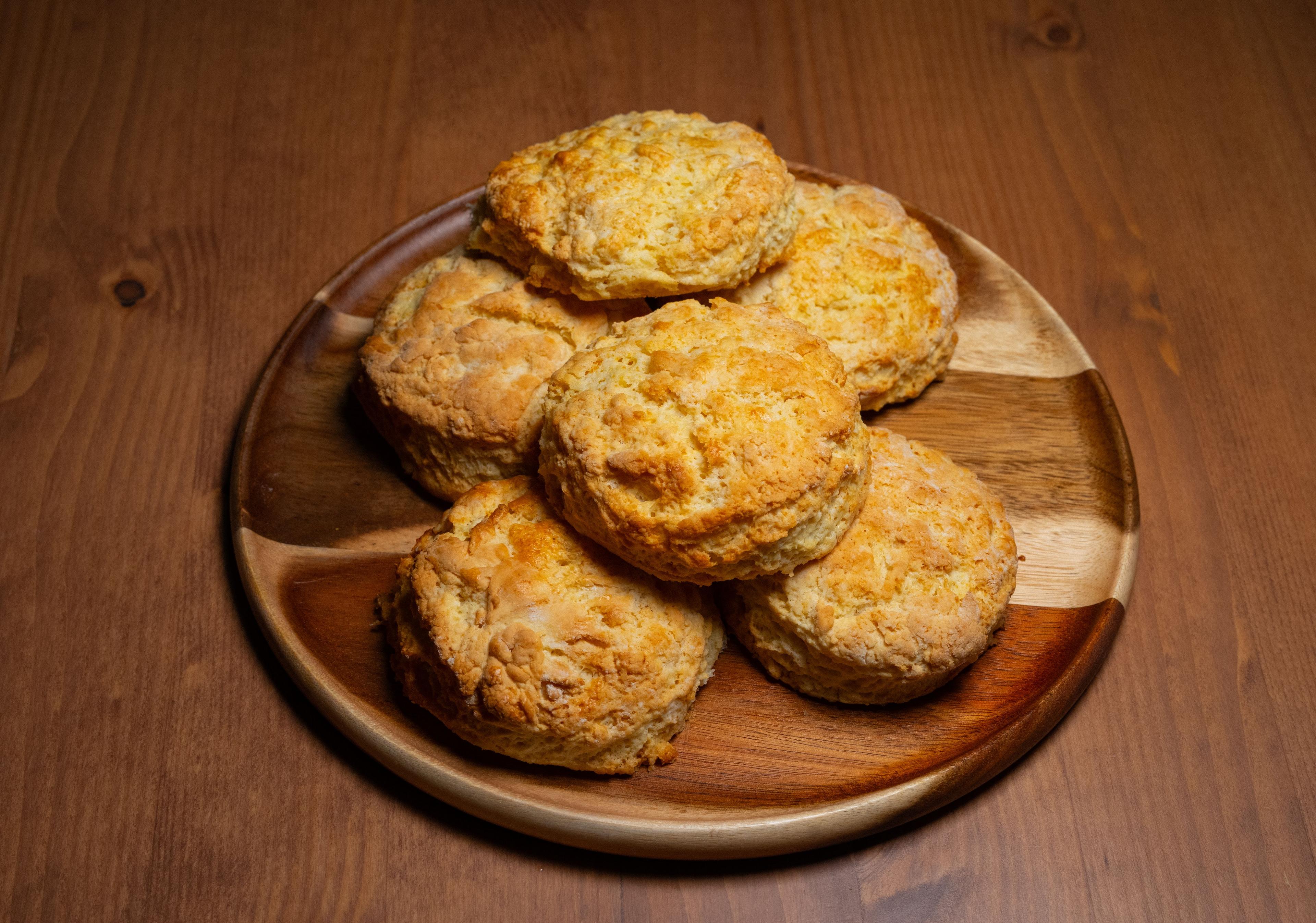
Buttermilk Biscuits
Buttermilk biscuits — tall, flaky, and buttery with layers from a simple fold technique.

Colombian Arepas
Colombian arepas — golden cornmeal cakes with a crispy crust and soft, cheesy center.

Banana Bread
Banana bread — moist, tender, and deeply flavored from overripe bananas. The riper, the better.

Corn Tortillas
Corn Tortillas — a Mexican bread Ready in 30 minutes. Perfect for weeknight cooking. Quick and easy.