sides · legumes
Cuban Black Beans and Rice
Cuban black beans and rice — slow-simmered frijoles negros with sofrito, cumin, and a splash of vinegar.

Nutrition (per serving)
320
Calories
16g
Protein
52g
Carbs
6g
Fat
12g
Fiber
Ingredients
Method
-
Drain the soaked beans and add them to a large pot with fresh water — enough to cover by 2 inches. Bring to a boil, then reduce to a simmer. Cook for 45-60 minutes until the beans are tender but not mushy. If using canned beans, skip this step. The slow simmer develops a rich, starchy broth that becomes the sauce.
-
Build the sofrito — heat olive oil in a skillet over medium heat. Add the onion and green pepper, cooking for 8-10 minutes until very soft and starting to caramelize. Add garlic, cumin, and oregano, cooking for 1 minute until fragrant. This sofrito is the flavor engine of the dish — every Cuban bean recipe starts here.
-
Add the sofrito to the beans along with the bay leaves. Stir to combine and simmer for 20-30 minutes, allowing the flavors to meld. The beans should be swimming in a thick, dark broth. If the liquid is too thin, continue simmering uncovered.
-
Mash about 1 cup of beans against the side of the pot with the back of a spoon, then stir them back in. This releases starch and thickens the broth to a creamy consistency without changing the flavor. It's the technique that separates restaurant-quality beans from watery homemade ones.
-
Season with sugar, vinegar, salt, and pepper. The sugar balances the earthiness of the beans, and the vinegar adds a brightness that makes every other flavor pop. Taste and adjust — the beans should be savory, slightly tangy, and deeply satisfying. Remove the bay leaves.
-
Ladle over steamed white rice and garnish with sliced avocado and a squeeze of lime. In Cuban households, this is an everyday meal — simple, nourishing, and endlessly comforting. The creamy beans against fluffy rice is one of the great textural combinations in Latin American cooking.
Equipment
- Large pot or Dutch oven Recommended: Lodge 6-Quart Enameled Cast Iron Dutch Oven
- Wooden spoon Recommended: Riveira Olive Wood Cooking Spoons Set
- Ladle Recommended: OXO Good Grips Stainless Steel Ladle
- Dutch oven Recommended: Lodge 6-Quart Enameled Cast Iron Dutch Oven · Also good: Lodge 6-Quart Enameled Cast Iron Dutch Oven
- Stockpot Recommended: Tramontina 12-Quart Stainless Steel Stock Pot
- Saucepan Recommended: Cuisinart Chef's Classic 3-Quart Saucepan
Chef Notes
- The most important thing: Don't skip the vinegar at the end. A splash of white vinegar or sherry vinegar right before serving brightens the entire pot and lifts the beans from good to extraordinary. It's the secret ingredient in every Cuban abuela's recipe.
- Soak dried beans overnight for the best texture and flavor. Canned beans work in a pinch but lack the silky, creamy broth that slow-cooked dried beans produce.
- The sofrito (onion, pepper, garlic) must be cooked until deeply soft and fragrant — at least 8 minutes. Undercooked sofrito tastes raw and harsh.
- Mash a cup of beans against the side of the pot and stir them back in. This thickens the broth naturally without adding any starch or cream.
- In Cuba, black beans are served over white rice as moros y cristianos (Moors and Christians) — a dish with centuries of history reflecting the island's cultural layers.
Common Substitutions
| Ingredient | Substitution | Notes |
|---|---|---|
| White rice | Jasmine rice or basmati rice | Jasmine is stickier. Basmati is fluffier with longer grains. |
| Olive oil | Avocado oil or grapeseed oil | Avocado oil has higher smoke point. Grapeseed is neutral. |
| Sugar | Coconut sugar or maple syrup | Coconut sugar is 1:1. Maple: reduce liquid slightly. |
| Cumin | Coriander + pinch of chili powder | Coriander is lighter — chili adds the warmth. |
| Dutch oven | Heavy-bottomed pot with tight lid | Any heavy pot works — the tight lid is essential. |
What You're Practicing
Cuban black beans teach you about building flavor from humble ingredients — dried beans, aromatics, and spices. The technique of creating a sofrito, simmering slowly, and finishing with acid is a pattern that repeats across Latin American, Caribbean, and Mediterranean cooking. Master this and you can make Brazilian feijoada, Puerto Rican habichuelas, and Tuscan white beans. See Techniques for more on legume cookery.
The finishing technique — mashing some beans to thicken the broth, adding vinegar for brightness — demonstrates how small adjustments at the end of cooking can transform a dish. This same principle of finishing with acid applies to soups, stews, and sauces across every cuisine. See Vinaigrettes for more on the role of acid in balancing flavors.
Video Resources
Some equipment and ingredient links are affiliate links. We earn a small commission at no extra cost to you. Learn more
Comments (0)
Sign in to commentNo comments yet. Be the first to share your thoughts.
Frequently Asked Questions
- Can I make Cuban Black Beans and Rice ahead of time?
- Yes. overnight - 1 large onion, finely diced - 1 green bell pepper, finely diced - 6 cloves garlic, minced - 2 tbsp olive oil - 1 tbsp ground cumin - 1 tsp dried oregano - 2 bay leaves - 1 tbsp white vinegar - 1 tsp sugar - Sliced avocado and lime wedges for garnish ## Method 1.
- How do I store leftover Cuban Black Beans and Rice?
- Store in an airtight container in the refrigerator for 3-4 days. Most sides reheat well in the oven at 350°F for 10-15 minutes.
- Can I freeze Cuban Black Beans and Rice?
- Most cooked sides freeze well for 2-3 months. Soups and stews freeze especially well. Avoid freezing dishes with high dairy content — they can separate when thawed.
- How many servings does this recipe make?
- This recipe serves 6. You can scale the ingredients up or down proportionally — use the Meal Plan servings slider to adjust the grocery list automatically.
- Is Cuban Black Beans and Rice dairy free and gluten free and vegetarian?
- Yes — this recipe is dairy free and gluten free and vegetarian. Check the Common Substitutions section for additional dietary adaptations.
- Is this an authentic Cuban recipe?
- This recipe follows traditional Cuban techniques and ingredients. The Chef Notes section explains any adaptations for home kitchen accessibility and suggests authentic alternatives where substitutions are made.
- What substitutions can I make for Cuban Black Beans and Rice?
- See the Common Substitutions section above for ingredient and equipment swaps with specific trade-off notes for each alternative.
You Might Also Like

Baba Ganoush
Baba ganoush with charred eggplant and tahini — smoky, creamy, and deeply savory.

Baked Sweet Potato Fries
Baked sweet potato fries with a cornstarch coating for crispy edges and sriracha mayo for dipping.
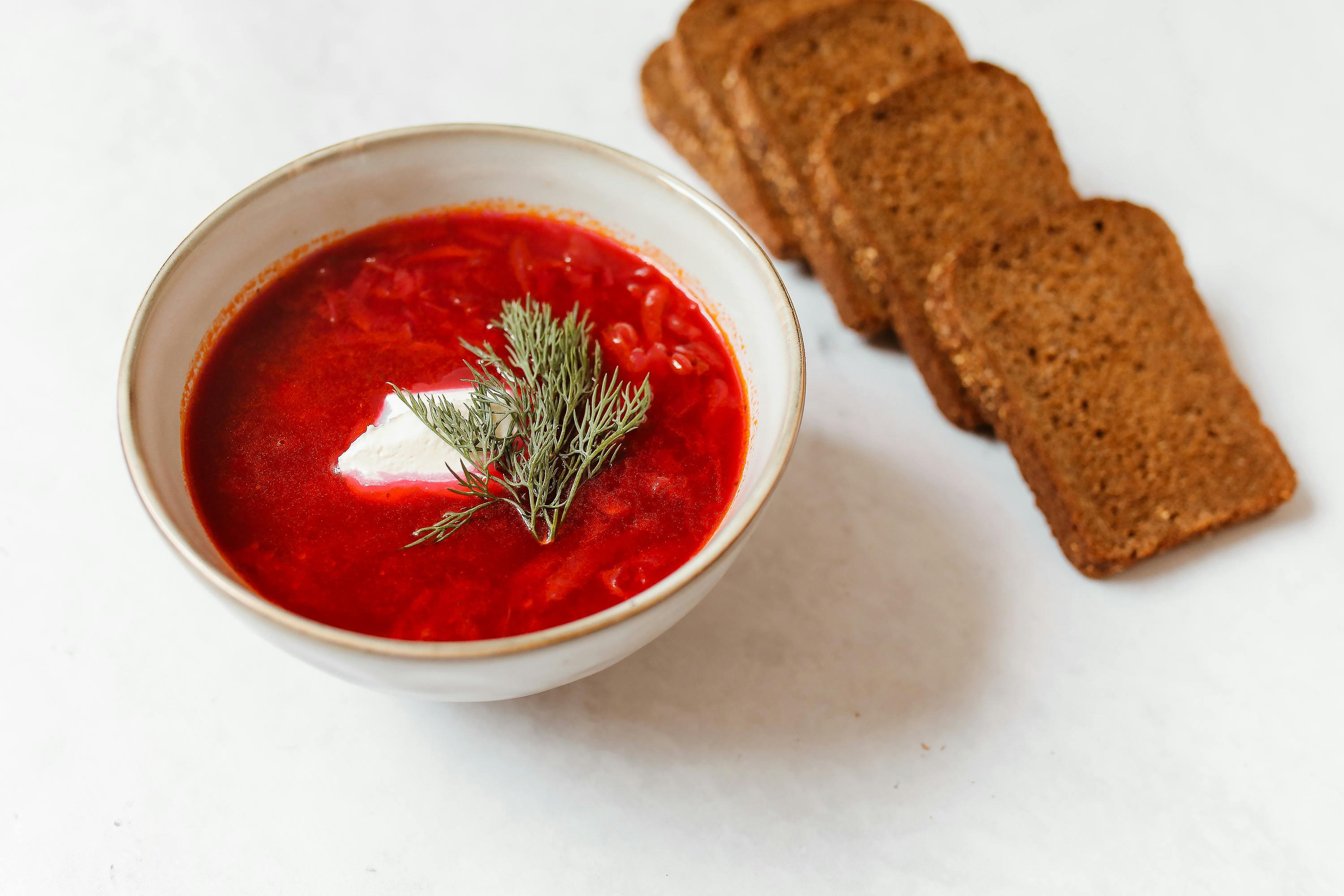
Borscht (Ukrainian Beet Soup)
Ukrainian borscht with beets, cabbage, and a dollop of sour cream. A one-pot comfort soup that feeds a crowd.

Braised Collard Greens
Braised collard greens slow-simmered with bacon, vinegar, and chicken stock until silky tender.