sides · rice
Cơm Tấm (Vietnamese Broken Rice)
Vietnamese broken rice cooked to fluffy perfection. The essential base for grilled pork chops and lemongrass chicken.

Nutrition (per serving)
205
Calories
4g
Protein
44g
Carbs
1g
Fat
1g
Fiber
Ingredients
Method
-
Rinse the broken rice in a fine-mesh strainer under cold running water, swirling with your hand, until the water runs mostly clear — about 2-3 rinses. Each rinse removes surface starch that would otherwise make the cooked rice gummy and clumped. This is the single most important step in cooking any Asian rice.
-
Combine the rinsed rice, water, salt, and oil in a medium saucepan. The small amount of oil prevents sticking and gives each grain a subtle sheen. Stir once to distribute evenly.
-
Bring to a boil over high heat uncovered. You'll see the water bubbling vigorously and the surface of the rice starting to look cratered as water is absorbed. This takes about 3-4 minutes.
-
Reduce heat to the lowest setting, cover tightly, and cook for 15 minutes without lifting the lid. The rice is now steaming — the trapped steam cooks the grains evenly from all sides. Lifting the lid releases steam and disrupts this process. Trust the timing.
-
Remove from heat and let rest, still covered, for 10 minutes. This resting period is when the magic happens — residual steam finishes cooking any slightly underdone grains, and moisture redistributes so every grain is uniformly tender. Skip this step and you'll have wet rice on the bottom and dry rice on top.
-
Fluff with a fork and serve. Broken rice has a distinctive texture — softer and more tender than regular long-grain, with a slight stickiness that makes it perfect for soaking up sauces and gravies. It's the traditional base for cơm tấm sườn (grilled pork chops), cơm tấm bì (shredded pork skin), and virtually any Vietnamese grilled meat plate.
Equipment
- Medium saucepan with tight-fitting lid Recommended: Cuisinart Chef's Classic 3-Quart Saucepan
- Fine-mesh strainer Recommended: Winco 8-Inch Stainless Steel Fine Mesh Strainer
Chef Notes
- The most important thing: Broken rice is not regular rice. It's fractured grains from the milling process — shorter, starchier, and with a unique texture that's softer and stickier than long-grain. It's available at Asian grocery stores, usually labeled "broken rice" or "gạo tấm."
- Rinse the rice 2-3 times until the water is mostly clear. This removes excess surface starch that makes the rice gummy.
- The water ratio for broken rice is slightly less than regular long-grain (2.25:2 vs 2:1) because the smaller grains absorb water faster.
- Don't lift the lid during cooking. Steam is doing the work — every time you lift the lid, you lose steam and extend the cook time.
- Let the rice rest for 10 minutes after cooking. This allows the moisture to redistribute evenly, so the bottom isn't wet and the top isn't dry.
Common Substitutions
| Ingredient | Substitution | Notes |
|---|---|---|
| Broken rice | Jasmine rice | Different texture — jasmine is fluffier and less sticky. Use 1.5:1 water ratio |
| Broken rice | Calrose/sushi rice | Closer in stickiness but different grain shape |
What You're Practicing
Cooking rice by the absorption method — measuring water precisely, bringing to a boil, then steaming covered — is a fundamental technique used across all of Asian cooking. The principles here (rinse, ratio, don't lift the lid, rest) apply to jasmine rice, basmati, sushi rice, and any medium or long-grain variety. Master this and you'll never need a rice cooker. Visit Techniques for more on grain cooking methods.
The resting step teaches patience and the science of carryover cooking. Just as a steak continues cooking after leaving the pan, rice continues steaming after leaving the heat. Understanding residual heat is one of the most important concepts in cooking.
Video Resources
Some equipment and ingredient links are affiliate links. We earn a small commission at no extra cost to you. Learn more
Comments (0)
Sign in to commentNo comments yet. Be the first to share your thoughts.
Frequently Asked Questions
- Can I make Cơm Tấm (Vietnamese Broken Rice) ahead of time?
- Yes — prep the components up to a day ahead and store covered in the refrigerator. Reheat gently or bring to room temperature before serving.
- How do I store leftover Cơm Tấm (Vietnamese Broken Rice)?
- Store in an airtight container in the refrigerator for 3-4 days. Most sides reheat well in the oven at 350°F for 10-15 minutes.
- Can I freeze Cơm Tấm (Vietnamese Broken Rice)?
- Most cooked sides freeze well for 2-3 months. Soups and stews freeze especially well. Avoid freezing dishes with high dairy content — they can separate when thawed.
- How many servings does this recipe make?
- This recipe serves 4. You can scale the ingredients up or down proportionally — use the Meal Plan servings slider to adjust the grocery list automatically.
- Is Cơm Tấm (Vietnamese Broken Rice) a quick recipe?
- Yes — this recipe is ready in 25 minutes including prep time, making it perfect for busy weeknights.
- Is Cơm Tấm (Vietnamese Broken Rice) gluten free and dairy free?
- Yes — this recipe is gluten free and dairy free. Check the Common Substitutions section for additional dietary adaptations.
- Is this an authentic Vietnamese recipe?
- This recipe follows traditional Vietnamese techniques and ingredients. The Chef Notes section explains any adaptations for home kitchen accessibility and suggests authentic alternatives where substitutions are made.
- What substitutions can I make for Cơm Tấm (Vietnamese Broken Rice)?
- See the Common Substitutions section above for ingredient and equipment swaps with specific trade-off notes for each alternative.
You Might Also Like

Baba Ganoush
Baba ganoush with charred eggplant and tahini — smoky, creamy, and deeply savory.

Baked Sweet Potato Fries
Baked sweet potato fries with a cornstarch coating for crispy edges and sriracha mayo for dipping.

Baked Mac and Cheese (American Classic)
Creamy béchamel-based mac and cheese with sharp cheddar, Gruyère, and a golden panko crust.
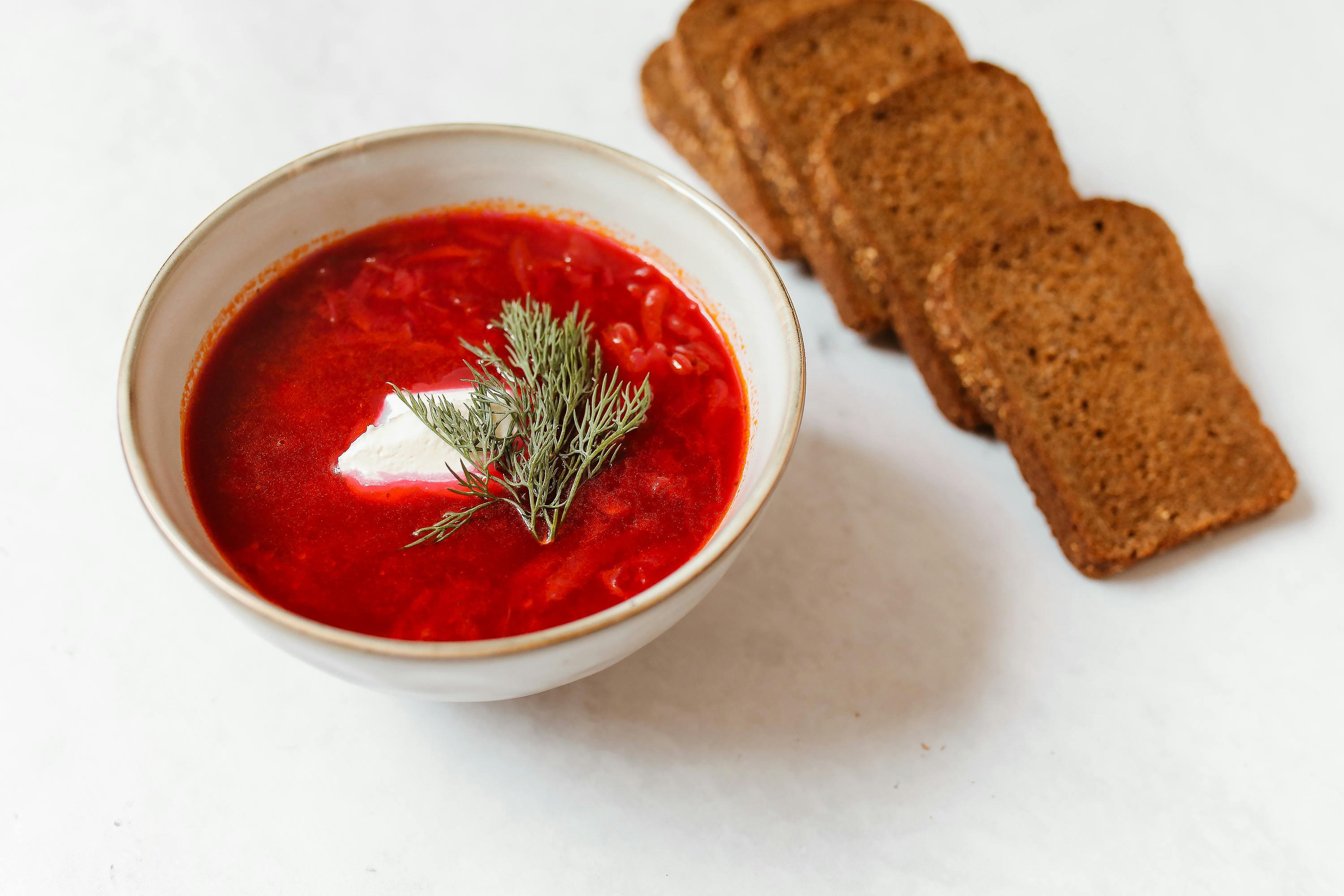
Borscht (Ukrainian Beet Soup)
Ukrainian borscht with beets, cabbage, and a dollop of sour cream. A one-pot comfort soup that feeds a crowd.