sides · soup
Sinigang (Filipino Sour Soup)
Sinigang with pork ribs and tamarind broth — the Philippines' beloved sour soup.

Nutrition (per serving)
320
Calories
24g
Protein
18g
Carbs
18g
Fat
4g
Fiber
Ingredients
Method
-
Bring the pork ribs and water to a boil in a large pot. Skim the scum that rises to the surface — this produces a cleaner, clearer broth. Add the tomatoes and onion. Reduce to a simmer and cook for 25-30 minutes until the pork is tender. The tomatoes break down and add a subtle sweetness and body to the broth.
-
Add the tamarind paste and stir to dissolve. Taste the broth — it should be noticeably sour with a savory pork backbone. Adjust with more tamarind if needed. The sourness should be the dominant flavor, with the pork providing richness and the tomatoes adding depth.
-
Add the daikon radish and cook for 5 minutes until starting to soften. Daikon takes the longest to cook and absorbs the sour broth beautifully, becoming translucent and tender. It's one of the best parts of the soup.
-
Add the eggplant, green beans, and green chilies. Cook for 5 more minutes. The eggplant should be soft and silky, the green beans tender-crisp. The chilies add a gentle heat that complements the sourness without overpowering it.
-
Add the kangkong (water spinach) in the last minute of cooking. It wilts almost instantly and should be bright green and just tender. Season with fish sauce and salt. The fish sauce adds a savory depth that rounds out the sour broth.
-
Serve in large bowls with steamed white rice on the side. The traditional way to eat sinigang is to spoon the sour broth over your rice, then eat the pork and vegetables alongside. The rice absorbs the tangy broth and balances the aggressive sourness. Sinigang is the dish that every Filipino misses most when they're away from home.
Equipment
- Large pot or Dutch oven Recommended: Lodge 6-Quart Enameled Cast Iron Dutch Oven
- Ladle Recommended: OXO Good Grips Stainless Steel Ladle
- Fine-mesh strainer (if using fresh tamarind) Recommended: Winco 8-Inch Stainless Steel Fine Mesh Strainer
Chef Notes
- The most important thing: The sourness is the star. Sinigang should be aggressively sour — more sour than you think is right. The rice tempers the acidity when you eat them together. If it doesn't make you pucker slightly, add more tamarind.
- Fresh tamarind pods produce the best flavor — boil them, strain, and use the liquid. Tamarind paste is a good shortcut. Sinigang mix packets work in a pinch but taste more processed.
- Add the vegetables in stages based on cooking time: hard vegetables (daikon) first, then medium (eggplant, green beans), then delicate greens (kangkong) last. Everything should be tender but not mushy.
- Pork spare ribs give the broth body and richness. The fat renders into the soup, creating a satisfying richness that balances the sourness.
- Sinigang is comfort food — every Filipino family has their own version. Some use shrimp, some use fish, some add taro for thickness. This pork version is the most classic.
Common Substitutions
| Ingredient | Substitution | Notes |
|---|---|---|
| Shrimp | Scallops or firm tofu | Scallops: sear 2 min/side. Tofu: press, cube, pan-fry until golden. |
| White rice | Jasmine rice or basmati rice | Jasmine is stickier. Basmati is fluffier with longer grains. |
| Fish sauce | Soy sauce + pinch of sugar | Loses the fermented depth but adds salt and umami. |
| Dutch oven | Heavy-bottomed pot with tight lid | Any heavy pot works — the tight lid is essential. |
What You're Practicing
Sinigang teaches you about using sourness as the primary flavor driver in a dish — a concept that's central to Filipino and Southeast Asian cooking but less common in Western cuisines. Understanding how tamarind's complex sourness (fruity, tangy, slightly sweet) differs from vinegar or citrus gives you a new tool for building flavor. See Techniques for more on acid as a primary seasoning.
The staged addition of vegetables — hard vegetables first, delicate greens last — is a fundamental technique for any soup or stew. It ensures every component is perfectly cooked rather than uniformly overcooked. This same principle applies to minestrone, ratatouille, and any multi-vegetable preparation. See Stocks for more on building layered soups.
Video Resources
Some equipment and ingredient links are affiliate links. We earn a small commission at no extra cost to you. Learn more
Comments (0)
Sign in to commentNo comments yet. Be the first to share your thoughts.
Frequently Asked Questions
- Can I make Sinigang (Filipino Sour Soup) ahead of time?
- Yes — prep the components up to a day ahead and store covered in the refrigerator. Reheat gently or bring to room temperature before serving.
- How do I store leftover Sinigang (Filipino Sour Soup)?
- Store in an airtight container in the refrigerator for 3-4 days. Most sides reheat well in the oven at 350°F for 10-15 minutes.
- Can I freeze Sinigang (Filipino Sour Soup)?
- Most cooked sides freeze well for 2-3 months. Soups and stews freeze especially well. Avoid freezing dishes with high dairy content — they can separate when thawed.
- How many servings does this recipe make?
- This recipe serves 6. You can scale the ingredients up or down proportionally — use the Meal Plan servings slider to adjust the grocery list automatically.
- Is Sinigang (Filipino Sour Soup) dairy free and gluten free and keto?
- Yes — this recipe is dairy free and gluten free and keto. Check the Common Substitutions section for additional dietary adaptations.
- Is this an authentic Filipino recipe?
- This recipe follows traditional Filipino techniques and ingredients. The Chef Notes section explains any adaptations for home kitchen accessibility and suggests authentic alternatives where substitutions are made.
- What substitutions can I make for Sinigang (Filipino Sour Soup)?
- See the Common Substitutions section above for ingredient and equipment swaps with specific trade-off notes for each alternative.
You Might Also Like

Baba Ganoush
Baba ganoush with charred eggplant and tahini — smoky, creamy, and deeply savory.

Braised Collard Greens
Braised collard greens slow-simmered with bacon, vinegar, and chicken stock until silky tender.
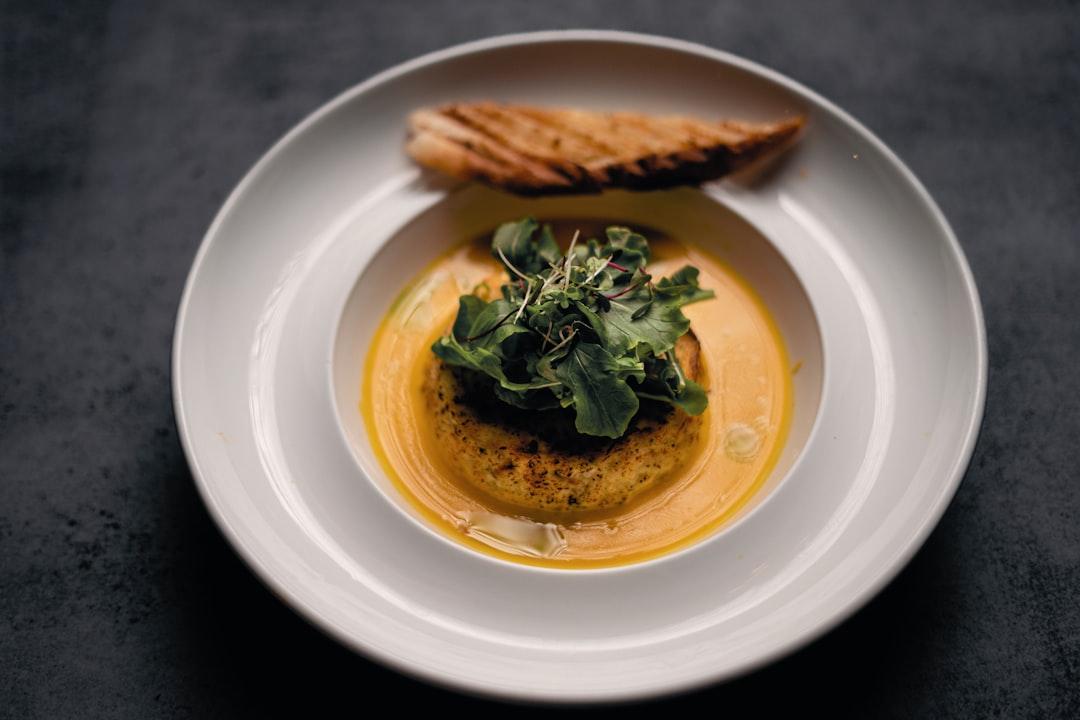
Butternut Squash Bisque with Sage Brown Butter
Silky roasted squash soup finished with a sage brown butter drizzle. Teaches the purée soup method and the liaison technique.

Baked Sweet Potato Fries
Baked sweet potato fries with a cornstarch coating for crispy edges and sriracha mayo for dipping.