sides · appetizer
Puerto Rican Mofongo
Puerto Rican mofongo — fried green plantains mashed with garlic and chicharrón. Bold and addictive.

Nutrition (per serving)
360
Calories
10g
Protein
48g
Carbs
16g
Fat
4g
Fiber
Ingredients
For the garlic sauce (mojito criollo):
Method
-
Peel the green plantains by cutting off both ends, scoring the skin lengthwise along the ridges, and prying it off in strips. Green plantain skin is stubborn — rubbing a little oil on your hands prevents the sticky sap from staining. Cut each plantain into 1-inch rounds.
-
Heat oil to 325°F in a deep pot. Fry the plantain rounds in batches for 5-6 minutes until they're cooked through but only lightly golden — not brown. You're par-frying here, not finishing them. The plantains should be tender enough to mash but not crispy. Remove with a spider and drain briefly.
-
Make the garlic oil — heat olive oil in a small pan over low heat, add the minced garlic, and cook for 1-2 minutes until fragrant and just barely golden. Do not brown the garlic — burnt garlic is bitter and will ruin the mofongo. The garlic-infused oil is the flavor backbone of the dish.
-
Mash the hot plantains in a pilón or sturdy bowl, adding the garlic oil, crushed chicharrón, and a splash of chicken broth as you go. Pound and fold — you want a rough, chunky texture, not a smooth purée. The chicharrón should be distributed throughout, adding pockets of salty crunch. Season with salt.
-
Shape the mofongo by packing the mixture firmly into a small cup or ramekin, then inverting it onto a plate. The dome shape is traditional and creates a vessel for sauce. Tap the bottom to release. The mofongo should hold its shape but still look rustic.
-
Drizzle with mojito criollo (garlic sauce) and garnish with cilantro. Serve alongside caldo de pollo (chicken broth) for dipping, or top with shrimp, braised pork, or stewed chicken. In Puerto Rico, mofongo is served at every roadside kiosk and fine restaurant alike — it's the island's most beloved comfort food.
Equipment
- Deep pot or Dutch oven for frying Recommended: Lodge 6-Quart Enameled Cast Iron Dutch Oven
- Pilón (mortar and pestle) or large sturdy bowl Recommended: Cole & Mason Granite Mortar and Pestle
- Spider or slotted spoon Recommended: Helen's Asian Kitchen Spider Strainer
- Instant-read thermometer Recommended: ThermoWorks ThermoPop 2
- Small cup or ramekin for shaping
Chef Notes
- The most important thing: The plantains must be green and unripe. Ripe plantains are sweet and soft — they won't fry properly or hold the mashed shape. Green plantains are starchy and firm, which is exactly what you need.
- Mash the plantains while they're still hot. Cold fried plantains become stiff and won't incorporate the garlic and chicharrón properly. Work quickly after frying.
- Use a pilón (wooden mortar and pestle) if you have one — it's the traditional tool and gives the best texture. A large bowl and the back of a heavy cup work in a pinch.
- The chicharrón adds porky, salty crunch that makes mofongo more than just mashed plantains. Don't skip it — it's the soul of the dish.
- Mofongo is traditionally served as a dome, unmolded from a cup or small bowl. Pack it firmly, flip, and tap to release.
Common Substitutions
| Ingredient | Substitution | Notes |
|---|---|---|
| Shrimp | Scallops or firm tofu | Scallops: sear 2 min/side. Tofu: press, cube, pan-fry until golden. |
| Olive oil | Avocado oil or grapeseed oil | Avocado oil has higher smoke point. Grapeseed is neutral. |
| Lime juice | Lemon juice or rice vinegar | Lemon is slightly more tart. Rice vinegar for mild acidity. |
| Chicken broth | Vegetable broth or mushroom broth | Mushroom broth adds umami depth closest to chicken. |
| Fresh garlic | Garlic powder (¼ tsp per clove) | Fresh is always better but powder works in a pinch. |
| Cilantro | Flat-leaf parsley + squeeze of lime | Parsley lacks the citrus note — lime helps bridge the gap. |
What You're Practicing
Mofongo teaches you about working with plantains — a staple starch across the Caribbean, West Africa, and Central America. Understanding the difference between green (starchy, savory) and ripe (sweet, soft) plantains and how each behaves when fried is knowledge that unlocks dozens of dishes: tostones, maduros, alloco, and kelewele. See Techniques for more on frying starchy vegetables.
The mortar-and-pestle technique — pounding rather than blending — creates a texture that no food processor can replicate. The irregular chunks, the pockets of garlic oil, the bits of chicharrón — this is rustic cooking at its best. The same approach applies to Thai curry pastes, Italian pesto, and Mexican salsas. See Equipment for more on mortar-and-pestle techniques.
Video Resources
Some equipment and ingredient links are affiliate links. We earn a small commission at no extra cost to you. Learn more
Comments (0)
Sign in to commentNo comments yet. Be the first to share your thoughts.
Frequently Asked Questions
- Can I make Puerto Rican Mofongo ahead of time?
- Yes — prep the components up to a day ahead and store covered in the refrigerator. Reheat gently or bring to room temperature before serving.
- How do I store leftover Puerto Rican Mofongo?
- Store in an airtight container in the refrigerator for 3-4 days. Most sides reheat well in the oven at 350°F for 10-15 minutes.
- Can I freeze Puerto Rican Mofongo?
- Most cooked sides freeze well for 2-3 months. Soups and stews freeze especially well. Avoid freezing dishes with high dairy content — they can separate when thawed.
- How many servings does this recipe make?
- This recipe serves 4. You can scale the ingredients up or down proportionally — use the Meal Plan servings slider to adjust the grocery list automatically.
- Is Puerto Rican Mofongo dairy free and gluten free?
- Yes — this recipe is dairy free and gluten free. Check the Common Substitutions section for additional dietary adaptations.
- What substitutions can I make for Puerto Rican Mofongo?
- See the Common Substitutions section above for ingredient and equipment swaps with specific trade-off notes for each alternative.
You Might Also Like

Baba Ganoush
Baba ganoush with charred eggplant and tahini — smoky, creamy, and deeply savory.

Bigos (Polish Hunter's Stew)
Bigos — Poland's national stew of sauerkraut, fresh cabbage, and smoked meats. Better every day it sits.

Baked Sweet Potato Fries
Baked sweet potato fries with a cornstarch coating for crispy edges and sriracha mayo for dipping.
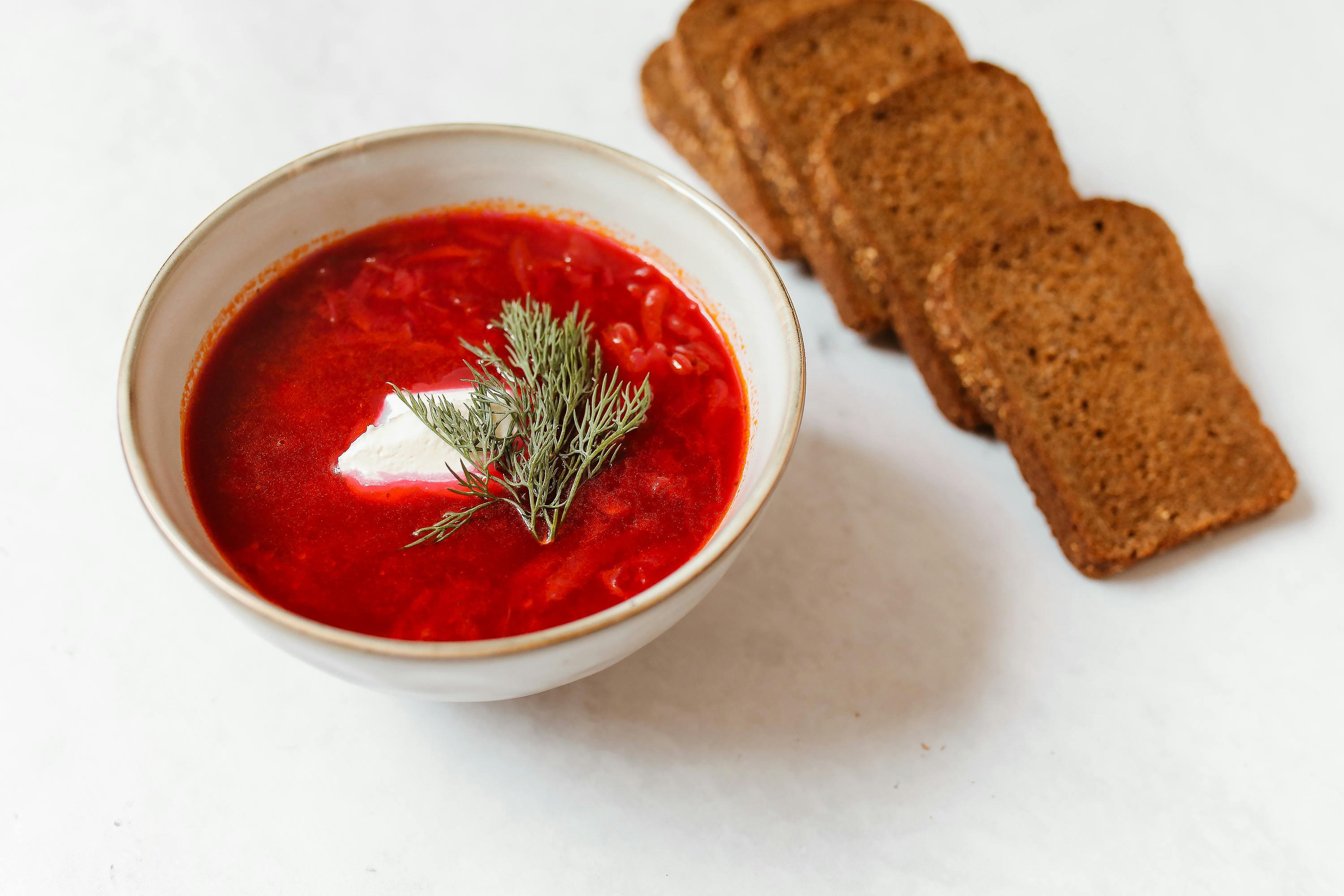
Borscht (Ukrainian Beet Soup)
Ukrainian borscht with beets, cabbage, and a dollop of sour cream. A one-pot comfort soup that feeds a crowd.