sides · soup
Laksa (Coconut Curry Noodle Soup)
Laksa with spicy coconut curry broth, rice noodles, and shrimp — Malaysia's beloved soup.

Nutrition (per serving)
480
Calories
28g
Protein
42g
Carbs
24g
Fat
3g
Fiber
Ingredients
For the laksa paste:
For the soup:
Method
-
Blend the laksa paste — combine soaked chilies, shallots, garlic, galangal, lemongrass, shrimp paste, and turmeric in a food processor. Blend to a smooth paste, adding a splash of oil if needed. Traditionally this is pounded in a mortar, which produces a slightly coarser, more textured paste. Either method works.
-
Fry the paste in oil over medium heat for 4-5 minutes, stirring constantly. The paste will darken, the oil will separate and pool around the edges, and the kitchen will fill with an intoxicating aroma. This step is non-negotiable — it's the difference between a raw-tasting soup and a deeply layered one.
-
Pour in the coconut milk and chicken stock. Stir to combine and bring to a gentle simmer. Cook for 10 minutes, allowing the flavors to meld. The broth should be rich, creamy, and a warm orange-red color. Season with fish sauce and sugar — the fish sauce adds salinity and umami, the sugar balances the heat.
-
Add the shrimp and cook for 3-4 minutes until pink and curled. Don't overcook — shrimp go from perfect to rubbery in seconds. If using tofu puffs, add them now to absorb the broth.
-
Divide the cooked rice vermicelli among large bowls. Ladle the hot broth and shrimp over the noodles. The noodles should be submerged in the creamy, spicy broth.
-
Garnish generously with bean sprouts, halved hard-boiled eggs, tofu puffs, fresh cilantro, and a squeeze of lime. The lime is essential — its acidity cuts through the richness of the coconut and brightens every spoonful. Laksa is a bowl of contrasts: rich and bright, spicy and creamy, soft noodles and crunchy sprouts.
Equipment
- Food processor or mortar and pestle Recommended: Cole & Mason Granite Mortar and Pestle
- Large pot or Dutch oven Recommended: Lodge 6-Quart Enameled Cast Iron Dutch Oven
- Ladle Recommended: OXO Good Grips Stainless Steel Ladle
- Stockpot Recommended: Tramontina 12-Quart Stainless Steel Stock Pot
- Saucepan Recommended: Cuisinart Chef's Classic 3-Quart Saucepan
- Food processor Recommended: Vitamix VX1
- Blender Recommended: Ninja Professional Plus Blender
- Mortar and pestle Recommended: Cole & Mason Granite Mortar and Pestle
- Meat mallet Recommended: OXO Good Grips Meat Tenderizer
Chef Notes
- The most important thing: The laksa paste must be fried until the oil separates and the raw smell disappears — about 5 minutes of constant stirring. Under-fried paste tastes harsh and one-dimensional. Properly fried paste is fragrant, complex, and deeply aromatic.
- Shrimp paste (belacan) smells intense raw but transforms into a deep umami backbone when cooked. Don't skip it — it's what makes laksa taste like laksa.
- Galangal is not interchangeable with ginger. It has a sharper, more citrusy, piney flavor. If you can't find it, use ginger but know the flavor will be different.
- The broth should be thick and creamy, almost coating the back of a spoon. If it's thin, simmer longer to reduce.
- Store-bought laksa paste is a legitimate shortcut. Look for brands from Malaysia or Singapore for the most authentic flavor.
Common Substitutions
| Ingredient | Substitution | Notes |
|---|---|---|
| Shrimp | Scallops or firm tofu | Scallops: sear 2 min/side. Tofu: press, cube, pan-fry until golden. |
| Fish sauce | Soy sauce + pinch of sugar | Loses the fermented depth but adds salt and umami. |
| Coconut milk | Coconut cream diluted, or oat milk | Oat milk is thinner — add 1 tbsp oil for richness. |
| Dutch oven | Heavy-bottomed pot with tight lid | Any heavy pot works — the tight lid is essential. |
| Food processor | Blender or mortar and pestle | Blender for smooth. Mortar for chunky. |
What You're Practicing
Laksa teaches you about building a spice paste from scratch — the foundation of Malaysian, Indonesian, and Singaporean cooking. The technique of blending aromatics into a paste and frying it in oil is the same principle behind Thai curry pastes, Indian masalas, and North African chermoula. See Spice Blends for more on paste-based flavor building.
The coconut milk broth demonstrates how fat carries and distributes flavor. The curry paste's aromatic compounds are fat-soluble, which is why they infuse so deeply into the coconut milk. This same principle explains why cream-based sauces taste richer than water-based ones. See Stocks for more on building flavorful broths.
Video Resources
Some equipment and ingredient links are affiliate links. We earn a small commission at no extra cost to you. Learn more
Comments (0)
Sign in to commentNo comments yet. Be the first to share your thoughts.
Frequently Asked Questions
- Can I make Laksa (Coconut Curry Noodle Soup) ahead of time?
- Yes — prep the components up to a day ahead and store covered in the refrigerator. Reheat gently or bring to room temperature before serving.
- How do I store leftover Laksa (Coconut Curry Noodle Soup)?
- Store in an airtight container in the refrigerator for 3-4 days. Most sides reheat well in the oven at 350°F for 10-15 minutes.
- Can I freeze Laksa (Coconut Curry Noodle Soup)?
- Most cooked sides freeze well for 2-3 months. Soups and stews freeze especially well. Avoid freezing dishes with high dairy content — they can separate when thawed.
- How many servings does this recipe make?
- This recipe serves 4. You can scale the ingredients up or down proportionally — use the Meal Plan servings slider to adjust the grocery list automatically.
- Is Laksa (Coconut Curry Noodle Soup) gluten free?
- Yes — this recipe is gluten free. Check the Common Substitutions section for additional dietary adaptations.
- Is this an authentic Malaysian recipe?
- This recipe follows traditional Malaysian techniques and ingredients. The Chef Notes section explains any adaptations for home kitchen accessibility and suggests authentic alternatives where substitutions are made.
- What substitutions can I make for Laksa (Coconut Curry Noodle Soup)?
- See the Common Substitutions section above for ingredient and equipment swaps with specific trade-off notes for each alternative.
You Might Also Like

Baba Ganoush
Baba ganoush with charred eggplant and tahini — smoky, creamy, and deeply savory.

Bigos (Polish Hunter's Stew)
Bigos — Poland's national stew of sauerkraut, fresh cabbage, and smoked meats. Better every day it sits.
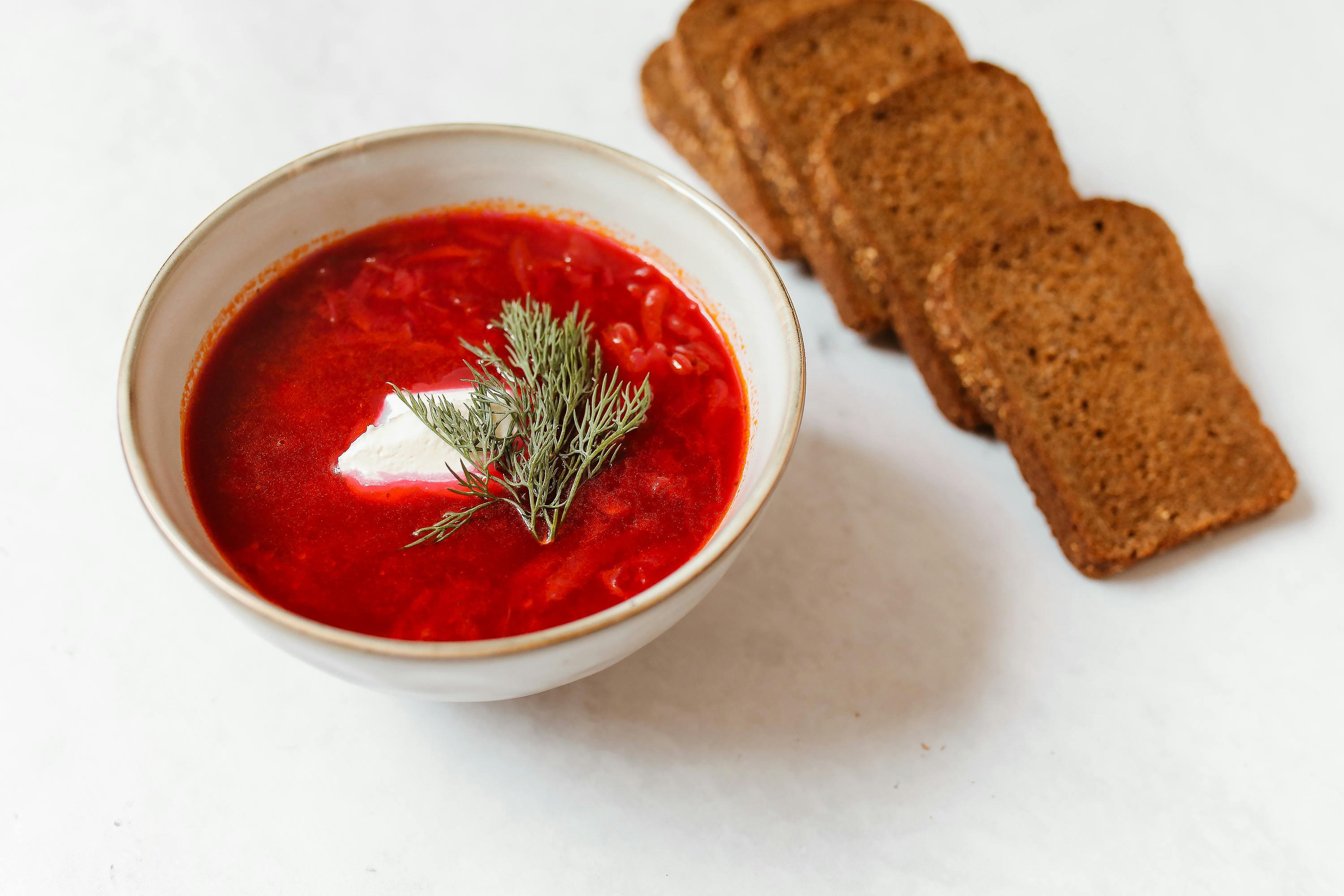
Borscht (Ukrainian Beet Soup)
Ukrainian borscht with beets, cabbage, and a dollop of sour cream. A one-pot comfort soup that feeds a crowd.

Baked Sweet Potato Fries
Baked sweet potato fries with a cornstarch coating for crispy edges and sriracha mayo for dipping.