sides · rice
Coconut Rice and Peas (Trinidadian Style)
Trinidadian coconut rice and pigeon peas with thyme and scotch bonnet. A one-pot Caribbean staple.

Nutrition (per serving)
310
Calories
8g
Protein
48g
Carbs
10g
Fat
4g
Fiber
Ingredients
Method
-
Heat the coconut oil in a medium saucepan over medium heat. Add the garlic and scallions, cooking for 1 minute until fragrant. The scallion-garlic base is the aromatic foundation of Caribbean rice dishes — simpler than the full holy trinity but equally important.
-
Add the coconut milk, water, thyme sprigs, whole scotch bonnet, salt, and pepper. Bring to a boil. The coconut milk will look slightly curdled as it heats — this is normal. Stir to combine. The scotch bonnet will bob on the surface, slowly releasing its fruity, floral heat into the liquid.
-
Add the rinsed rice and drained pigeon peas. Stir once to distribute evenly, then bring back to a boil. The pigeon peas add protein, fiber, and a nutty, earthy flavor that's distinct from kidney beans.
-
Reduce heat to the lowest setting, cover tightly, and cook for 20-22 minutes without lifting the lid. The rice is absorbing the coconut milk and steaming — every time you lift the lid, you lose steam and extend the cook time. Trust the process.
-
Remove from heat and let rest, covered, for 10 minutes. Remove the scotch bonnet and thyme sprigs. Fluff with a fork — the rice should be fluffy, slightly sticky from the coconut milk, with distinct grains and evenly distributed pigeon peas.
-
Serve hot alongside jerk chicken, curry goat, stewed oxtail, or any Caribbean main. Coconut rice and peas is the foundational starch of Caribbean cooking — it appears at every Sunday dinner, holiday table, and roadside food stall across the islands.
Equipment
- Medium saucepan or Dutch oven with tight-fitting lid Recommended: Lodge 6-Quart Enameled Cast Iron Dutch Oven · Also good: Lodge 6-Quart Enameled Cast Iron Dutch Oven
- Fine-mesh strainer Recommended: Winco 8-Inch Stainless Steel Fine Mesh Strainer
Chef Notes
- The most important thing: Keep the scotch bonnet whole. It infuses gentle, fruity heat without making the rice painfully spicy. Pierce it and you'll have a very different (much hotter) dish. Remove before serving.
- "Peas" in Caribbean cooking means beans or legumes — pigeon peas, kidney beans, or gungo peas depending on the island. This Trinidadian version uses pigeon peas. Jamaican style uses kidney beans.
- Full-fat coconut milk is essential. The fat enriches the rice and gives it a subtle sweetness and creamy texture. Light coconut milk produces bland, dry rice.
- The rice-to-liquid ratio is different from plain rice because the coconut milk is thicker than water. Total liquid = 1 can coconut milk + 1 cup water for 2 cups rice.
- Don't stir after the rice comes to a simmer. Let it cook undisturbed — stirring releases starch and makes it gummy.
Common Substitutions
| Ingredient | Substitution | Notes |
|---|---|---|
| Pigeon peas | Kidney beans (Jamaican style) or black-eyed peas | Each bean gives a different flavor — all are traditional |
| Scotch bonnet | Habanero (whole) | Nearly identical heat and fruitiness |
| Coconut milk | Chicken broth | Completely different dish — loses the Caribbean character |
| Fresh thyme | 1/2 tsp dried thyme | Fresh is much better — the sprigs infuse the rice |
What You're Practicing
This one-pot rice teaches the Caribbean approach to building flavor into a starch — cooking rice directly in seasoned liquid (coconut milk + aromatics) rather than plain water. The same principle appears in Mexican arroz rojo, Indian biryani, and West African jollof rice. Understanding that the cooking liquid is a flavor vehicle transforms how you think about rice, grains, and legumes. Visit Techniques for more on flavored grain cooking.
The whole scotch bonnet technique — infusing heat without cutting the pepper — is a Caribbean essential that gives you control over spice levels. This same approach works with any hot pepper in any cuisine when you want flavor and aroma without overwhelming heat.
Some equipment and ingredient links are affiliate links. We earn a small commission at no extra cost to you. Learn more
Comments (0)
Sign in to commentNo comments yet. Be the first to share your thoughts.
Frequently Asked Questions
- Can I make Coconut Rice and Peas (Trinidadian Style) ahead of time?
- Yes — prep the components up to a day ahead and store covered in the refrigerator. Reheat gently or bring to room temperature before serving.
- How do I store leftover Coconut Rice and Peas (Trinidadian Style)?
- Store in an airtight container in the refrigerator for 3-4 days. Most sides reheat well in the oven at 350°F for 10-15 minutes.
- Can I freeze Coconut Rice and Peas (Trinidadian Style)?
- Most cooked sides freeze well for 2-3 months. Soups and stews freeze especially well. Avoid freezing dishes with high dairy content — they can separate when thawed.
- How many servings does this recipe make?
- This recipe serves 6. You can scale the ingredients up or down proportionally — use the Meal Plan servings slider to adjust the grocery list automatically.
- Is Coconut Rice and Peas (Trinidadian Style) vegetarian and vegan and gluten free and dairy free?
- Yes — this recipe is vegetarian and vegan and gluten free and dairy free. Check the Common Substitutions section for additional dietary adaptations.
- Is this an authentic Caribbean recipe?
- This recipe follows traditional Caribbean techniques and ingredients. The Chef Notes section explains any adaptations for home kitchen accessibility and suggests authentic alternatives where substitutions are made.
- What substitutions can I make for Coconut Rice and Peas (Trinidadian Style)?
- See the Common Substitutions section above for ingredient and equipment swaps with specific trade-off notes for each alternative.
You Might Also Like

Baba Ganoush
Baba ganoush with charred eggplant and tahini — smoky, creamy, and deeply savory.
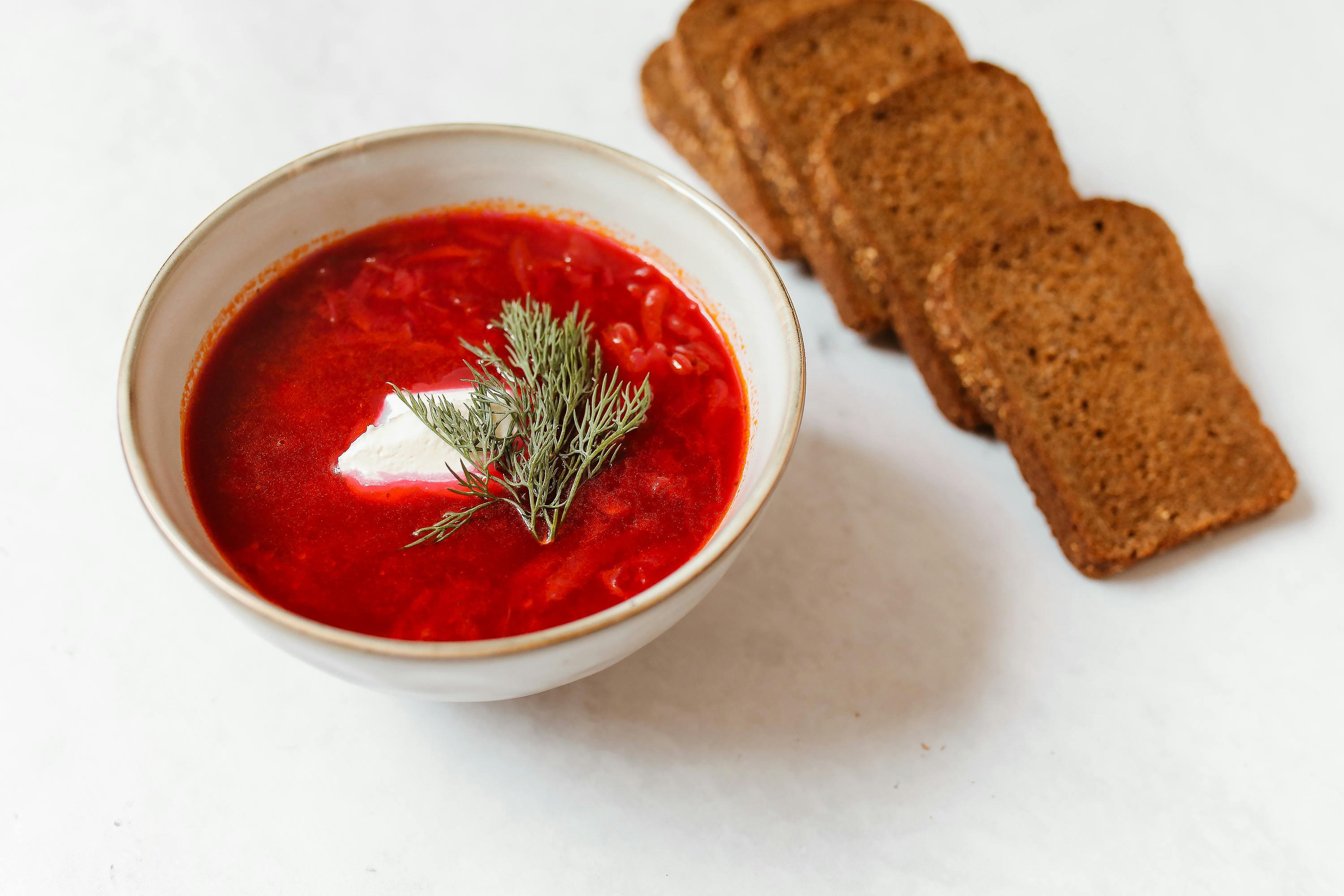
Borscht (Ukrainian Beet Soup)
Ukrainian borscht with beets, cabbage, and a dollop of sour cream. A one-pot comfort soup that feeds a crowd.

Baked Sweet Potato Fries
Baked sweet potato fries with a cornstarch coating for crispy edges and sriracha mayo for dipping.

Bigos (Polish Hunter's Stew)
Bigos — Poland's national stew of sauerkraut, fresh cabbage, and smoked meats. Better every day it sits.