mains · Chicken
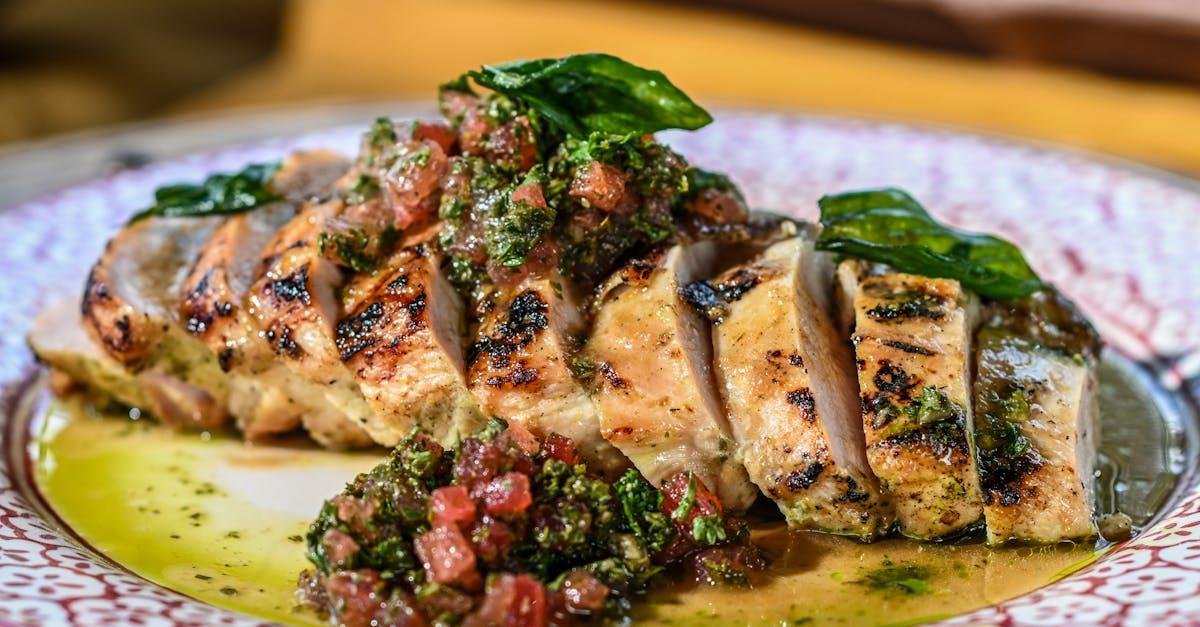
Sous Vide Chicken Breast with Herb Pan Sauce
Your first proteins — learning to sear, braise, and roast while building pan sauces from fond.
Nutrition (per serving)
380
Calories
35g
Protein
8g
Carbs
22g
Fat
2g
Fiber
Ingredients
Method
-
Set up the sous vide bath at 150°F. Fill a large pot or container with water and attach the immersion circulator. It takes 10–15 minutes to reach temperature.
-
Season the chicken with salt, pepper, and olive oil. Place each breast in a separate vacuum-seal bag (or zip-lock bag) with a sprig of thyme and half a smashed garlic clove. If using zip-lock bags, use the water displacement method: slowly lower the bag into the water bath with the top open, letting the water pressure push air out, then seal just above the waterline.
-
Cook for 1–2 hours at 150°F. The chicken is safe to eat after 1 hour at this temperature (pasteurized). You can leave it up to 4 hours with no quality loss — the texture stays the same because the temperature doesn't change. This is the magic of sous vide: a wide window of doneness.
-
Remove and pat dry. Take the chicken out of the bags and pat both sides thoroughly with paper towels. Discard the cooking liquid (or save for stock). The chicken will look pale and soft — this is normal. The sear fixes it.
-
Sear in a screaming-hot cast iron skillet with butter over high heat. Cook for 45–60 seconds per side — just enough to develop a golden-brown crust. Don't cook longer or you'll undo the sous vide's work. The butter browns and adds nutty flavor. The sear should be fast and aggressive.
-
Rest for 2 minutes, then slice against the grain. The interior should be uniformly white and incredibly juicy — no dry edges, no pink center, just perfectly cooked chicken from edge to edge. This is what sous vide does that no other method can.
Equipment
- Sous vide immersion circulator
- Vacuum sealer or zip-lock bags (water displacement method)
- Large pot or container (for water bath)
- Cast iron skillet (for searing) Recommended: Lodge 12-Inch Pre-Seasoned Cast Iron Skillet
- Tongs Also good: Wok Spatula
Chef Notes
- The most important thing: Set the sous vide to 150°F for juicy, tender chicken breast. This is lower than the USDA's instant-kill temperature of 165°F, but at 150°F held for 1 hour, the chicken is pasteurized and safe. The result is dramatically juicier than conventionally cooked chicken.
- Sous vide solves the #1 problem with chicken breast: overcooking. Because the water bath holds a precise temperature, the chicken can't overcook — it reaches 150°F and stays there. You can leave it in the bath for 1–4 hours with no quality loss.
- The sear after sous vide is essential. Sous vide chicken looks pale and unappetizing straight from the bag. A 60-second sear in a screaming-hot pan adds color, flavor, and texture.
- Pat the chicken completely dry before searing. Moisture on the surface steams instead of browning. Paper towels, both sides, press firmly.
- This is the best method for meal prep. Cook 6–8 breasts at once, chill in ice water, and refrigerate. They reheat perfectly.
Common Substitutions
| Ingredient | Substitution | Notes |
|---|---|---|
| Chicken breast | Chicken thighs (155°F, 1–4 hrs) | Thighs are more forgiving and fattier — equally good sous vide |
| Sous vide circulator | Oven at 150°F (if it goes that low) | Most ovens can't hold 150°F accurately. A beer cooler with hot water works in a pinch |
| Vacuum sealer | Zip-lock bag + water displacement | Works perfectly — just make sure no air pockets remain |
| Cast iron sear | Kitchen torch | Faster and more targeted — good for searing without heating the interior |
| Fresh thyme | Dried herbs or garlic powder | Add directly to the bag. Dried herbs infuse well in sous vide |
What You're Practicing
Sous vide chicken teaches you precision temperature cooking — the technique of holding protein at an exact temperature for an extended time to achieve a specific texture. This is the most scientific cooking method available to home cooks, and it produces results that conventional methods can't match. The same technique applies to steak (130°F for medium-rare), pork tenderloin (140°F), and eggs (various temperatures for different textures). Visit Techniques for more on temperature control.
You're also learning the sear-after-cook method — the reverse of traditional cooking where you sear first. In sous vide, the sear is purely for color and flavor (Maillard reaction), not for cooking. This separation of "cooking" and "browning" into two distinct steps gives you independent control over both. Explore more at Techniques.
Video Resources
Some equipment and ingredient links are affiliate links. We earn a small commission at no extra cost to you. Learn more
Comments (0)
Sign in to commentNo comments yet. Be the first to share your thoughts.
Frequently Asked Questions
- Can I make Sous Vide Chicken Breast with Herb Pan Sauce ahead of time?
- Yes — prep the components up to a day ahead and store covered in the refrigerator. Reheat gently or bring to room temperature before serving.
- How do I store leftover Sous Vide Chicken Breast with Herb Pan Sauce?
- Store in an airtight container in the refrigerator for 3-4 days. Reheat gently over medium-low heat, adding a splash of broth or water to prevent drying out.
- Can I freeze Sous Vide Chicken Breast with Herb Pan Sauce?
- Yes — most cooked mains freeze well for up to 3 months. Cool completely, store in freezer-safe containers, and thaw overnight in the refrigerator before reheating.
- How many servings does this recipe make?
- This recipe serves 4. You can scale the ingredients up or down proportionally — use the Meal Plan servings slider to adjust the grocery list automatically.
- Is Sous Vide Chicken Breast with Herb Pan Sauce gluten free and high protein and keto?
- Yes — this recipe is gluten free and high protein and keto. Check the Common Substitutions section for additional dietary adaptations.
- What substitutions can I make for Sous Vide Chicken Breast with Herb Pan Sauce?
- See the Common Substitutions section above for ingredient and equipment swaps with specific trade-off notes for each alternative.
You Might Also Like

Ackee and Saltfish
Jamaica''s national dish — creamy ackee fruit sautéed with salted cod.

Asian Chicken Lettuce Wraps
Asian chicken lettuce wraps with savory ground chicken, water chestnuts, and hoisin in butter lettuce.

Arroz con Pollo
Arroz con pollo — Latin American chicken and rice in one pot with sofrito and saffron. Pure comfort.

Bacalhau à Brás (Portuguese Salt Cod)
Shredded salt cod with crispy potatoes, scrambled eggs, and olives — Portugal's beloved comfort dish.