mains · Pork
Tonkatsu (Japanese Breaded Pork Cutlet)
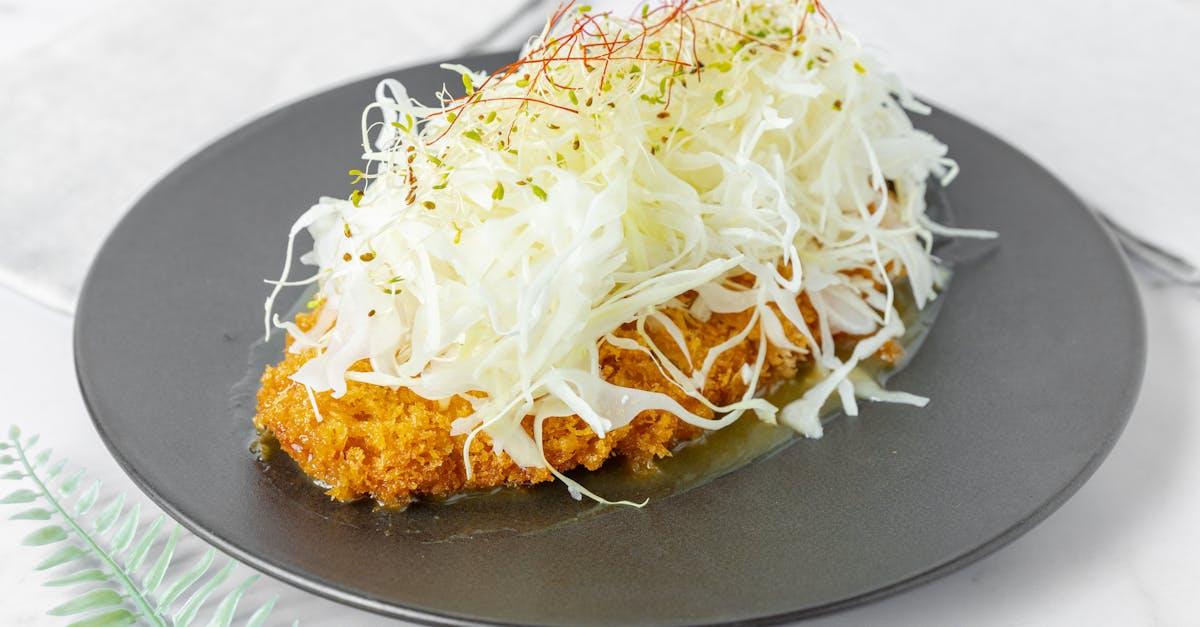
Tonkatsu (Japanese Breaded Pork Cutlet) — a Japanese main dish Ready in 30 minutes. Perfect for weeknight cooking. Quick and easy.
Nutrition (per serving)
420
Calories
32g
Protein
10g
Carbs
26g
Fat
1g
Fiber
Ingredients
For serving:
Method
-
Pound the pork between plastic wrap to an even 1/2-inch thickness. Score the edges in 2–3 places to prevent curling during frying. Season both sides with salt and pepper.
-
Set up the breading station: flour in dish 1, beaten eggs in dish 2, panko in dish 3. Dredge each cutlet in flour (shake off excess), dip in egg (let excess drip), then press firmly into panko on both sides. Let rest on a wire rack for 5 minutes.
-
Heat 1 inch of oil to 340°F in a cast iron skillet. The lower temperature is intentional — it gives the thick pork time to cook through before the panko burns.
-
Fry for 4–5 minutes per side until deep golden brown and the internal temperature reaches 145°F. Don't move the cutlet during frying — let the crust set before flipping. The panko should be uniformly golden with no pale spots.
-
Rest on a wire rack for 3 minutes. The internal temperature rises to 150°F and the crust stays crispy.
-
Slice into strips against the grain — 5–6 strips per cutlet. Arrange on a plate with shredded cabbage, steamed rice, lemon wedges, and tonkatsu sauce. The cross-section should show a thin, golden crust surrounding juicy, white pork.
Equipment
- Cast iron skillet or heavy pan (for frying) Recommended: Lodge 12-Inch Pre-Seasoned Cast Iron Skillet
- Instant-read thermometer Recommended: ThermoWorks ThermoPop 2
- Wire rack set over sheet pan Recommended: Checkered Chef Stainless Steel Wire Rack
- Meat mallet Recommended: OXO Good Grips Meat Tenderizer
- Three shallow dishes (for breading station) Recommended: Stainless Steel Breading Trays Set of 3
Chef Notes
- The most important thing: Pound the pork to an even 1/2-inch thickness. Uneven chops cook unevenly — thin spots overcook while thick spots stay raw. Use a meat mallet between plastic wrap.
- Press the panko firmly onto the pork. Loose crumbs fall off in the oil. After breading, let the cutlets rest for 5 minutes — the coating sets and adheres better.
- Fry at 340°F — lower than most frying. The lower temperature cooks the thick pork through before the panko burns. Higher heat works for thin cutlets but burns the crust on thick ones.
- Rest on a wire rack, not paper towels. Paper towels trap steam and make the bottom soggy. The wire rack lets air circulate.
- Tonkatsu is Japan's most popular comfort food. It's always served with shredded raw cabbage (the crunch and freshness cut through the richness) and tonkatsu sauce (a thick, fruity, Worcestershire-like condiment).
Common Substitutions
| Ingredient | Substitution | Notes |
|---|---|---|
| Pork loin | Chicken breast (chicken katsu) | Same technique — pound thin, bread, fry |
| Panko | Regular breadcrumbs | Less crispy — panko's flaky texture is what makes tonkatsu special |
| Tonkatsu sauce | 2 tbsp Worcestershire + 1 tbsp ketchup | Rough approximation of the fruity, tangy sauce |
| Deep frying | Air fryer at 375°F, 12 min | Spray with oil. Less crispy but much less oil |
| Shredded cabbage | Coleslaw mix | Pre-shredded for convenience |
What You're Practicing
Tonkatsu teaches you the Japanese approach to breading and frying — the three-step flour-egg-panko technique that produces the crispiest possible crust. Japanese panko is coarser and more irregular than Western breadcrumbs, creating a shatteringly crispy texture. This same technique applies to chicken katsu, ebi fry (fried shrimp), and korokke (croquettes). Visit Techniques for more on frying.
You're also learning temperature-controlled frying — using a lower oil temperature (340°F vs the typical 375°F) to cook thick protein through without burning the crust. This temperature awareness is the difference between amateur and professional frying. Explore more at Techniques.
Video Resources
Some equipment and ingredient links are affiliate links. We earn a small commission at no extra cost to you. Learn more
Comments (0)
Sign in to commentNo comments yet. Be the first to share your thoughts.
Frequently Asked Questions
- Can I make Tonkatsu (Japanese Breaded Pork Cutlet) ahead of time?
- Yes — prep the components up to a day ahead and store covered in the refrigerator. Reheat gently or bring to room temperature before serving.
- How do I store leftover Tonkatsu (Japanese Breaded Pork Cutlet)?
- Store in an airtight container in the refrigerator for 3-4 days. Reheat gently over medium-low heat, adding a splash of broth or water to prevent drying out.
- Can I freeze Tonkatsu (Japanese Breaded Pork Cutlet)?
- Yes — most cooked mains freeze well for up to 3 months. Cool completely, store in freezer-safe containers, and thaw overnight in the refrigerator before reheating.
- How many servings does this recipe make?
- This recipe serves 4. You can scale the ingredients up or down proportionally — use the Meal Plan servings slider to adjust the grocery list automatically.
- Is Tonkatsu (Japanese Breaded Pork Cutlet) a quick recipe?
- Yes — this recipe is ready in 30 minutes including prep time, making it perfect for busy weeknights.
- Is Tonkatsu (Japanese Breaded Pork Cutlet) dairy free and high protein and keto?
- Yes — this recipe is dairy free and high protein and keto. Check the Common Substitutions section for additional dietary adaptations.
- Is this an authentic Japanese recipe?
- This recipe follows traditional Japanese techniques and ingredients. The Chef Notes section explains any adaptations for home kitchen accessibility and suggests authentic alternatives where substitutions are made.
- What substitutions can I make for Tonkatsu (Japanese Breaded Pork Cutlet)?
- See the Common Substitutions section above for ingredient and equipment swaps with specific trade-off notes for each alternative.
You Might Also Like

Ackee and Saltfish
Jamaica''s national dish — creamy ackee fruit sautéed with salted cod.

Argentine Steak with Chimichurri
Grilled ribeye with Argentina's iconic chimichurri — raw herb sauce with red wine vinegar and garlic.

Asian Chicken Lettuce Wraps
Asian chicken lettuce wraps with savory ground chicken, water chestnuts, and hoisin in butter lettuce.

Bacalhau à Brás (Portuguese Salt Cod)
Shredded salt cod with crispy potatoes, scrambled eggs, and olives — Portugal's beloved comfort dish.