mains · Eggs
Perfect French Omelet
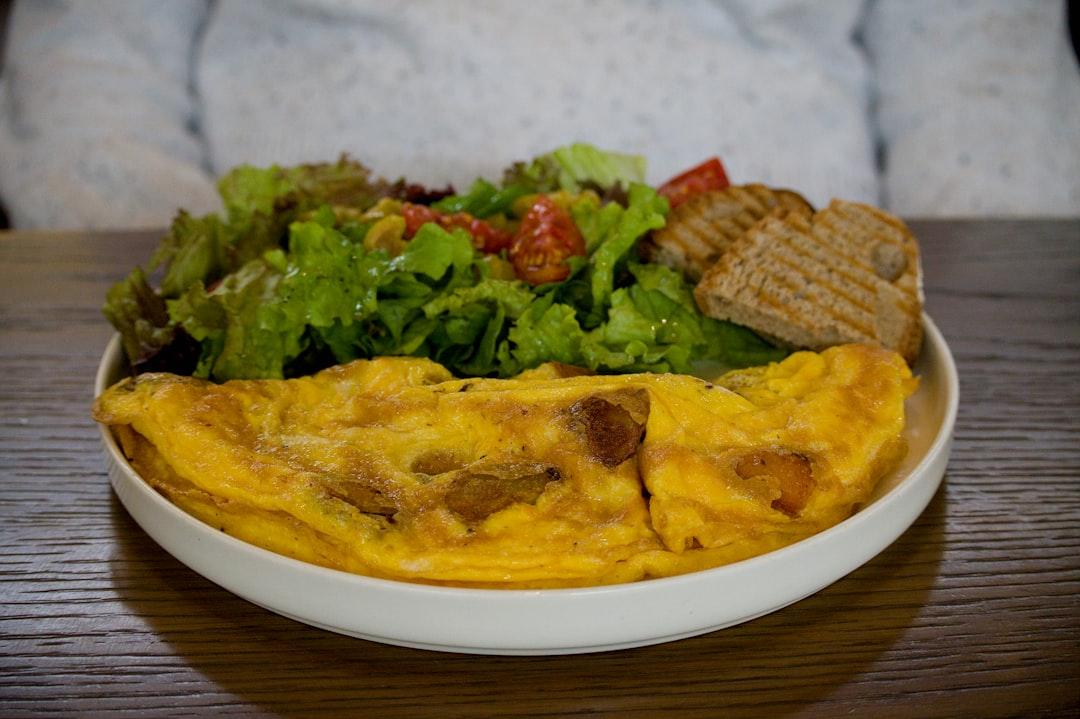
No color, perfectly rolled, creamy interior. The benchmark of egg technique — Jacques Pépin's method.
Nutrition (per serving)
280
Calories
18g
Protein
1g
Carbs
22g
Fat
0g
Fiber
Ingredients
No color, perfectly rolled, creamy interior. The benchmark of egg technique — Jacques Pépin's method.
Method
-
Crack eggs into a bowl. Add salt and pepper. Beat vigorously with a fork for 30 seconds until whites and yolks are completely combined — no streaks of white should be visible.
-
Heat an 8-inch nonstick skillet over medium-high heat. Add butter and swirl to coat. When the butter foams and the foam begins to subside (but before it browns), pour in the eggs.
-
Immediately begin stirring the eggs with a fork or chopstick, making small circular motions while shaking the pan back and forth with your other hand. This creates tiny, creamy curds. Continue for 20-30 seconds until the eggs are mostly set but the surface is still slightly wet and glossy.
-
Stop stirring. Let the omelet sit for 10 seconds to set the bottom into a thin skin. If adding fillings, place them in a line across the center now.
-
Tilt the pan away from you at a 45-degree angle. Using the fork, fold the near edge of the omelet toward the center. Then roll/slide the omelet onto a warm plate, seam-side down, so it forms a neat oval.
-
The finished omelet should have zero browning on the outside and a creamy, barely-set interior (baveuse). Garnish with herbs.
Equipment
- Stainless steel skillet Recommended: Tramontina 12-Inch Tri-Ply Clad Stainless Steel Fry Pan
- Tongs Also good: Wok Spatula
- Cutting board Recommended: John Boos Maple Edge-Grain Cutting Board 18x12
- Mixing bowls Recommended: Vollrath Stainless Steel Mixing Bowls Set
Chef Notes
- The most important thing: Low heat is everything. High heat makes eggs rubbery. Keep the pan at medium-low and stir constantly for the creamiest result.
- Don't overcrowd the pan. Food releases moisture when it cooks — too much food at once drops the temperature and steams instead of sears.
- This comes together in 10 minutes — have everything prepped before you start cooking. Speed is the technique here.
- Taste as you go and adjust seasoning at the end. Salt levels change as liquids reduce and flavors concentrate.
Common Substitutions
| Ingredient | Substitution | Notes |
|---|---|---|
| Butter | Ghee or olive oil | Ghee for similar richness. Olive oil for dairy-free. |
| Cheese | Nutritional yeast or vegan cheese | Nutritional yeast for umami. Vegan cheese for melting. |
| Bread | Gluten-free bread or lettuce wraps | GF bread varies by brand. Lettuce for low-carb. |
What You're Practicing
Heat control: The entire omelet takes 60-90 seconds. The pan must be hot enough to set the eggs quickly but not so hot that they brown. If you see any color on the omelet, your heat was too high. Practice with the butter — it should foam vigorously but never turn brown.
The fork technique: Stirring with a fork while shaking the pan creates the signature small, creamy curds. The fork breaks up the coagulating proteins before they can form large, rubbery curds. Think of it as making a very fast, very small scramble that you then shape.
Baveuse (barely set): A French omelet should be slightly underdone in the center. The residual heat continues cooking it after you plate it. If it looks perfectly done in the pan, it will be overcooked on the plate. This takes courage — you have to trust the carryover.
Practice: This is a skill that improves dramatically with repetition. Professional cooks practice omelets dozens of times before they're confident. Eggs are cheap — make one every morning for a week and you'll see rapid improvement.
Some equipment and ingredient links are affiliate links. We earn a small commission at no extra cost to you. Learn more
Comments (0)
Sign in to commentNo comments yet. Be the first to share your thoughts.
Frequently Asked Questions
- Can I make Perfect French Omelet ahead of time?
- Yes — prep the components up to a day ahead and store covered in the refrigerator. Reheat gently or bring to room temperature before serving.
- How do I store leftover Perfect French Omelet?
- Store in an airtight container in the refrigerator for 3-4 days. Reheat gently over medium-low heat, adding a splash of broth or water to prevent drying out.
- Can I freeze Perfect French Omelet?
- Yes — most cooked mains freeze well for up to 3 months. Cool completely, store in freezer-safe containers, and thaw overnight in the refrigerator before reheating.
- How many servings does this recipe make?
- This recipe serves 1. You can scale the ingredients up or down proportionally — use the Meal Plan servings slider to adjust the grocery list automatically.
- Is Perfect French Omelet a quick recipe?
- Yes — this recipe is ready in 10 minutes including prep time, making it perfect for busy weeknights.
- Is Perfect French Omelet gluten free and high protein and keto?
- Yes — this recipe is gluten free and high protein and keto. Check the Common Substitutions section for additional dietary adaptations.
- Is this an authentic French recipe?
- This recipe follows traditional French techniques and ingredients. The Chef Notes section explains any adaptations for home kitchen accessibility and suggests authentic alternatives where substitutions are made.
- What substitutions can I make for Perfect French Omelet?
- See the Common Substitutions section above for ingredient and equipment swaps with specific trade-off notes for each alternative.
You Might Also Like

Ackee and Saltfish
Jamaica''s national dish — creamy ackee fruit sautéed with salted cod.

Asian Chicken Lettuce Wraps
Asian chicken lettuce wraps with savory ground chicken, water chestnuts, and hoisin in butter lettuce.

Argentine Steak with Chimichurri
Grilled ribeye with Argentina's iconic chimichurri — raw herb sauce with red wine vinegar and garlic.

Bacalhau à Brás (Portuguese Salt Cod)
Shredded salt cod with crispy potatoes, scrambled eggs, and olives — Portugal's beloved comfort dish.