mains · Eggs
Classic Quiche Lorraine
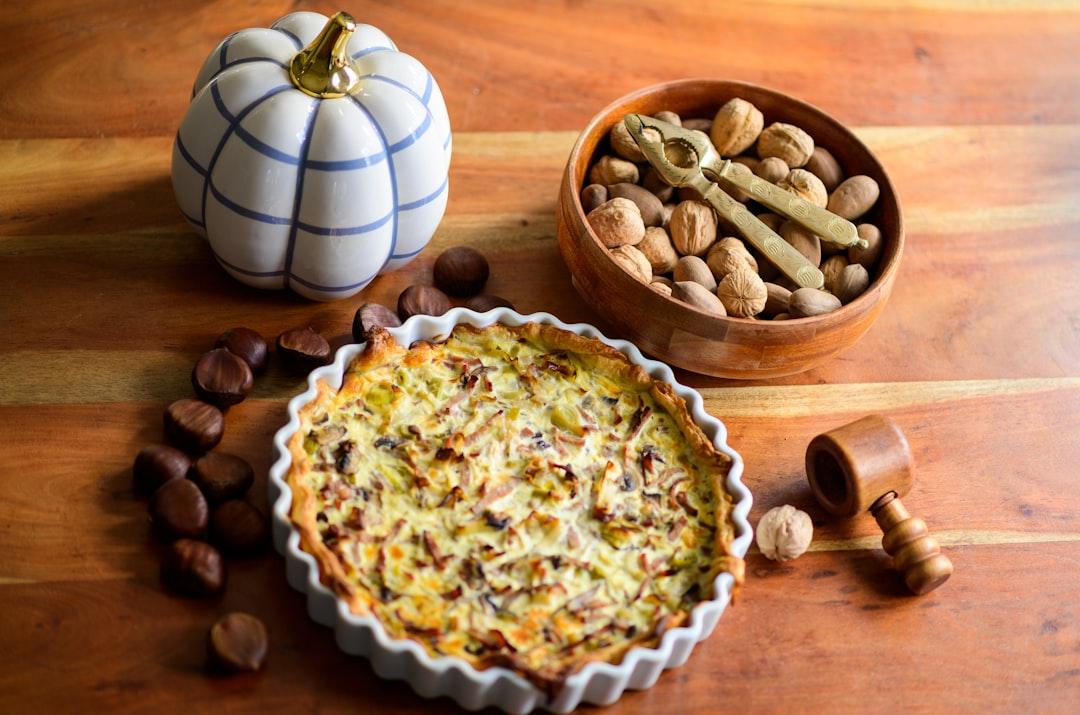
The original quiche — smoky bacon, Gruyère, and a silky egg custard in a buttery pâte brisée shell. Teaches the custard ratio every cook should memorize.
Nutrition (per serving)
420
Calories
16g
Protein
22g
Carbs
30g
Fat
1g
Fiber
Ingredients
The original quiche — smoky bacon, Gruyère, and a silky egg custard in a buttery pâte brisée shell. Teaches the custard ratio every cook should memorize.
Method
-
Blind-bake the tart shell: Line the dough with parchment and fill with pie weights or dried beans. Bake at 375°F for 15 minutes. Remove weights and parchment, bake 5 more minutes until light golden. Reduce oven to 325°F.
-
Cook bacon lardons in a skillet over medium heat until crispy, about 6 minutes. Remove bacon. Add onion to the bacon fat and cook 5 minutes until soft. Drain on paper towels.
-
Whisk together eggs, cream, milk, nutmeg, salt, and pepper. This is the custard base — the ratio to memorize is 1 egg to roughly 1/2 cup liquid. This produces a silky, just-set custard that trembles when you shake the pan.
-
Scatter bacon, onion, and half the Gruyère into the blind-baked shell. Pour the custard mixture over the top. Sprinkle remaining Gruyère and thyme on top.
-
Bake at 325°F for 35-40 minutes until the custard is set around the edges but still has a gentle wobble in the center (about a 2-inch circle of jiggle). It will continue to set as it cools.
-
Let cool at least 20 minutes before slicing. Quiche is best served warm or at room temperature, not hot — the custard needs time to firm up for clean slices.
Equipment
- Kitchen scale Recommended: Escali Primo Digital Kitchen Scale
- Stainless steel skillet Recommended: Tramontina 12-Inch Tri-Ply Clad Stainless Steel Fry Pan
- Cutting board Recommended: John Boos Maple Edge-Grain Cutting Board 18x12
- Mixing bowls Recommended: Vollrath Stainless Steel Mixing Bowls Set
Chef Notes
- The most important thing: Pull at 140°F internal — it carries over to 145°F during rest. The old 160°F rule is outdated and produces dry pork.
- Let the oven fully preheat — at least 15 minutes. An under-heated oven produces pale, steamed food instead of caramelized, roasted food.
- This recipe improves overnight as the flavors meld. Make it a day ahead if you can — it's even better reheated.
- Taste as you go and adjust seasoning at the end. Salt levels change as liquids reduce and flavors concentrate.
Common Substitutions
| Ingredient | Substitution | Notes |
|---|---|---|
| Salmon | Trout, arctic char, or steelhead | All are fatty fish with similar cook times. |
| Sausage | Ground meat with same seasonings | Mix ground pork with fennel, garlic, red pepper for Italian-style. |
| Bacon | Pancetta or turkey bacon | Pancetta is unsmoked. Turkey bacon is leaner. |
| Heavy cream | Coconut cream or cashew cream | Coconut adds sweetness. Cashew is most neutral. |
| Whole milk | Oat milk or almond milk | Oat milk is creamiest. Almond is thinner — add 1 tsp oil. |
| Feta | Goat cheese or ricotta salata | Goat cheese is creamier. Ricotta salata is milder. |
What You're Practicing
The custard ratio: 1 egg to 1/2 cup dairy (cream, milk, or a combination) is the universal savory custard ratio. Memorize it and you can make any quiche without a recipe — swap the fillings, keep the ratio. More cream = richer and silkier. More milk = lighter and more delicate.
Blind baking: Pre-baking the crust prevents a soggy bottom. The weights keep the dough from puffing up. The second bake without weights dries out the surface so it can hold the wet custard without getting soggy.
Low oven temperature: Custards curdle (become grainy and weep liquid) when cooked too hot. 325°F is the sweet spot — hot enough to set the eggs, cool enough to keep the texture smooth. This same principle applies to crème brûlée, flan, and any baked custard.
The wobble test: The center should jiggle like Jell-O when you gently shake the pan. If it looks liquid, it needs more time. If it doesn't wobble at all, it's overcooked. The carryover cooking will firm up that wobbly center into a perfect, just-set custard.
Variations: Once you master Lorraine, try: spinach and feta, caramelized onion and goat cheese, mushroom and Gruyère, smoked salmon and dill, or roasted red pepper and chorizo. The custard base stays the same.
Some equipment and ingredient links are affiliate links. We earn a small commission at no extra cost to you. Learn more
Comments (0)
Sign in to commentNo comments yet. Be the first to share your thoughts.
Frequently Asked Questions
- Can I make Classic Quiche Lorraine ahead of time?
- Yes. overnight as the flavors meld.
- How do I store leftover Classic Quiche Lorraine?
- Store in an airtight container in the refrigerator for 3-4 days. Reheat gently over medium-low heat, adding a splash of broth or water to prevent drying out.
- Can I freeze Classic Quiche Lorraine?
- Yes — most cooked mains freeze well for up to 3 months. Cool completely, store in freezer-safe containers, and thaw overnight in the refrigerator before reheating.
- How many servings does this recipe make?
- This recipe serves 8. You can scale the ingredients up or down proportionally — use the Meal Plan servings slider to adjust the grocery list automatically.
- Is Classic Quiche Lorraine gluten free and high protein?
- Yes — this recipe is gluten free and high protein. Check the Common Substitutions section for additional dietary adaptations.
- Is this an authentic French recipe?
- This recipe follows traditional French techniques and ingredients. The Chef Notes section explains any adaptations for home kitchen accessibility and suggests authentic alternatives where substitutions are made.
- What substitutions can I make for Classic Quiche Lorraine?
- See the Common Substitutions section above for ingredient and equipment swaps with specific trade-off notes for each alternative.
You Might Also Like

Bacalhau à Brás (Portuguese Salt Cod)
Shredded salt cod with crispy potatoes, scrambled eggs, and olives — Portugal's beloved comfort dish.

Ackee and Saltfish
Jamaica''s national dish — creamy ackee fruit sautéed with salted cod.

American BBQ Ribs (Oven-to-Grill)
Fall-off-the-bone pork ribs with a spice rub and sticky BBQ glaze — no smoker required.

Ahi Tuna Poke Bowl
Ahi tuna poke bowl with sushi-grade tuna, soy-sesame marinade, avocado, and crispy toppings over seasoned rice.