Chapters
French-Style Soft Scrambled Eggs
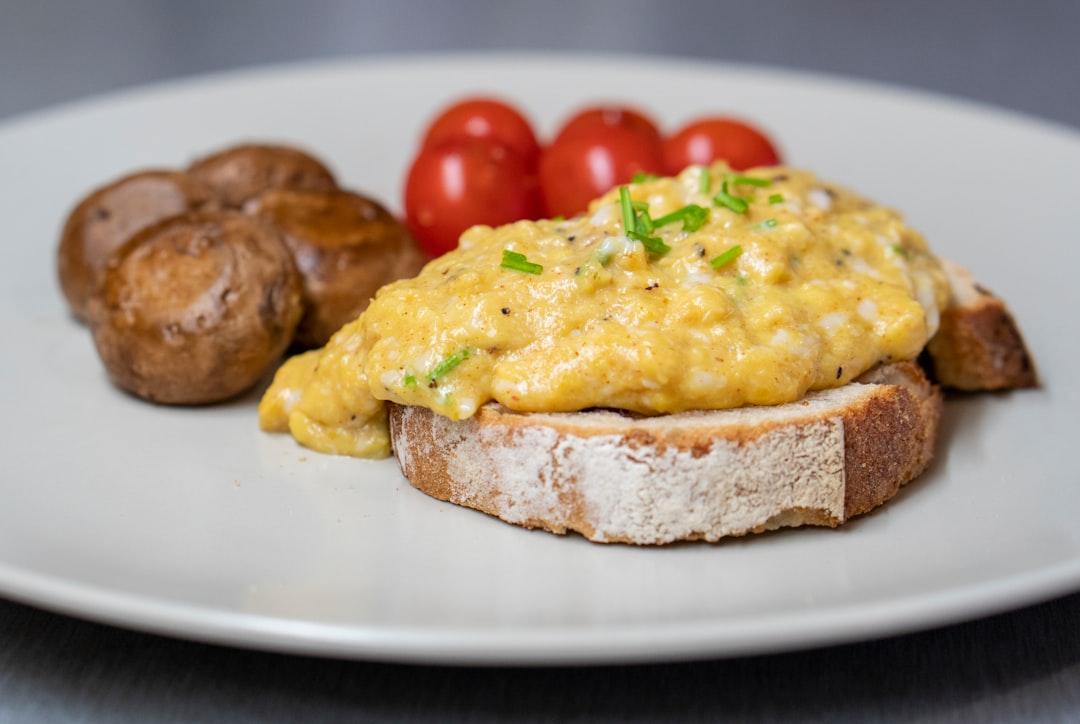
Low and slow scrambled eggs with crème fraîche — small, custard-like curds that melt on the tongue. Gordon Ramsay's signature method.
Nutrition (per serving)
320
Calories
18g
Protein
2g
Carbs
26g
Fat
0g
Fiber
Low and slow scrambled eggs with crème fraîche — small, custard-like curds that melt on the tongue. Gordon Ramsay's signature method.
Ingredients
- 6 large eggs
- 2 tbsp unsalted butter, cold, cut into small cubes
- 2 tbsp crème fraîche or sour cream
- 1 tbsp fresh chives, finely sliced
- Flaky sea salt and freshly ground black pepper
- Buttered toast for serving
Method
-
Crack eggs directly into a cold saucepan (not a skillet). Add butter cubes. Do not beat the eggs first.
-
Place the pan over medium-low heat. Using a spatula, stir continuously, scraping the bottom and sides of the pan. The eggs will slowly begin to form small, soft curds.
-
After about 3-4 minutes, the eggs will start to come together. Pull the pan off the heat every 30 seconds and continue stirring — this prevents the bottom from overcooking while the top catches up.
-
Continue the on-heat/off-heat cycle for another 3-4 minutes. The eggs should look slightly underdone and glossy — almost like a loose risotto.
-
Remove from heat completely. Stir in crème fraîche (this stops the cooking and adds richness). Season with salt and pepper.
-
Spoon onto buttered toast. Top with chives and flaky salt. Serve immediately — they continue to set on the plate.
What You're Practicing
What You're Practicing
Patience and temperature control: This method takes 8-10 minutes for what most people cook in 2. The low heat and constant stirring create curds so small they're almost creamy. Rushing with higher heat produces the rubbery, dry scrambled eggs that give this dish a bad reputation.
The on-off technique: Pulling the pan off the heat is the key to this method. It gives you control over the coagulation rate. On the heat, proteins set. Off the heat, you redistribute the heat evenly and prevent hot spots from overcooking the bottom.
Cold butter in cold pan: Starting with cold butter and cold eggs in a cold pan is unconventional but deliberate. The butter melts slowly as the pan heats, emulsifying into the eggs and creating a richer, more cohesive texture than adding butter to a hot pan.
The crème fraîche finish: Adding cold crème fraîche at the end serves two purposes — it drops the temperature to stop the cooking instantly, and it adds a tangy richness that balances the egg fat. Sour cream works as a substitute.
Comments (0)
No comments yet. Be the first to share your thoughts.